
24/7 Customer Support

Free returns

Same-day & Next-day Delivery

Quality Guaranteed

Unlock Your Welcome Offers: FREE Delivery | Up to 80% OFF | Free 30-day JoyPlus trial
Download the APP
As the Joybuy Product Recommendation Officer, my role is to help you navigate the crowded shelves of ready-to-drink beverages. The popularity of bottled oolong tea has surged in the UK, offering a refreshing alternative to sugary soft drinks and juices. However, not all options are created equal. Many shoppers, seeking a healthier choice, can fall into common traps set by clever marketing. This guide will help you identify these pitfalls and show you what to look for to find a genuinely satisfying and suitable ready to drink oolong tea.
Before you add a case of oolong iced tea to your basket, be aware of these frequent issues that can lead to a disappointing purchase.
To avoid these traps, focus on these three key parameters on the product label. This will ensure you get the quality and flavour profile you expect.
This is the most critical factor for health-conscious buyers. Always check the "Nutritional Information" table for the line "– of which sugars" per 100ml.
For an authentic taste, the ingredients list is your best friend. Look for products that list oolong tea leaves or oolong tea extract as one of the primary ingredients, right after water. Brands that prioritise authenticity, such as Suntory oolong tea and Nongfu Spring Oriental Leaf, often lead with these ingredients, signalling a higher quality brew. This is a key differentiator for a genuine bottled oolong tea.
Decide what you're in the mood for. Are you a purist or do you prefer a fruity twist?
To make your choice easier, we've matched some excellent options to different preferences and lifestyles.
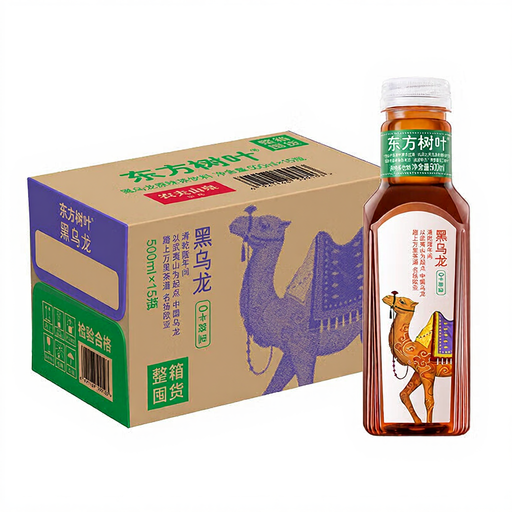
Why This Fits Their Persona: This is for the individual who wants nothing but tea. It's a pure, unsweetened brew that offers the authentic, rich aroma of deeply roasted oolong, making it a perfect zero-calorie hydration choice for daily consumption in the UK.
With 0g of sugar and ingredients listed as water and black oolong tea, it completely bypasses both the sugar trap and the flavour illusion. This is a genuine brewed tea.
Zero sugar, zero calories and zero fat. It provides a clean, robust tea flavour without any additives or sweeteners, similar to a high-quality Japanese oolong tea drink.
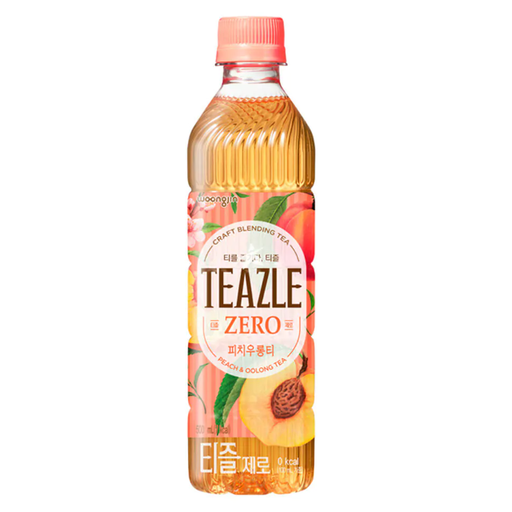
Why This Fits Their Persona: For those in the UK who love the idea of a peach iced tea but are strictly avoiding sugar. This Korean RTD offers that sweet, fruity flavour profile without any of the calories, making it a guilt-free refreshment.
It delivers the popular peach oolong tea flavour but is explicitly zero sugar and zero calorie. It sidesteps the "healthy sugar trap" by removing sugar entirely.
Allows you to enjoy a sweet-tasting, flavoured beverage without any sugar intake. It is also vegan-friendly and provides a light, crisp finish.
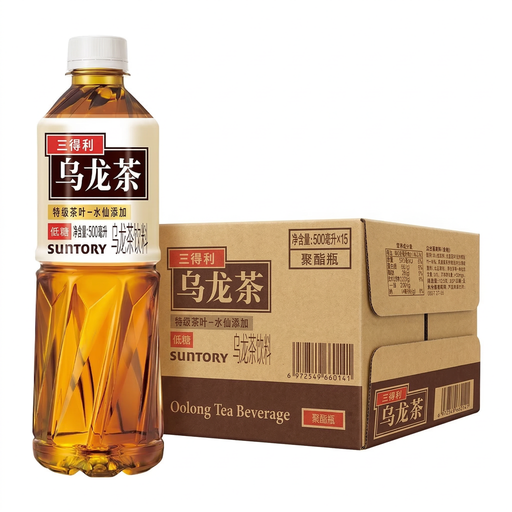
Why This Fits Their Persona: A busy professional needs a reliable, convenient and refreshing drink. This low-sugar option from Suntory offers a perfect balance—it's not as austere as zero-sugar tea but avoids the high sugar content of other drinks.
It avoids the "vague promise" trap by adhering to official guidelines. At 4.7g of sugar per 100ml, it qualifies as a genuine low-sugar drink, offering transparency and a balanced taste.
Made with 100% real tea extract for an authentic flavour. The light sweetness makes it highly palatable and refreshing, perfect for accompanying a meal or as an afternoon pick-me-up.
We have compiled a complete, real-time list of products that fully satisfy these strict selection criteria and UK safety regulations.
The healthiness of a bottled oolong tea depends almost entirely on its sugar content. A sugar free oolong tea made from real tea leaves is a great hydration choice, offering a refreshing experience with zero calories. However, versions with high sugar content should be viewed as an occasional treat, not a daily health drink. Always read the nutritional label to make an informed decision.
Most are designed to be enjoyed as an oolong iced tea and their flavour is often at its most refreshing when served chilled. Storing them in the refrigerator before drinking is highly recommended. That said, there's no rule against drinking them at room temperature if you prefer, especially the unsweetened varieties.
While oolong tea has roots in China, many Japanese brands like Suntory have become famous for their RTD versions. In the modern ready to drink oolong tea market, the difference is less about country of origin and more about the brand's philosophy. Some, like Suntory and Nongfu Spring Oriental Leaf, focus on a pure, roasted and unsweetened tea flavour. Others focus on creating balanced, lightly sweetened or fruit-flavoured blends. Your choice depends on whether you seek a pure brew or a flavoured refreshment.