
24/7 Customer Support

Free returns

Same-day & Next-day Delivery

Quality Guaranteed

Unlock Your Welcome Offers: FREE Delivery | Up to 80% OFF | Free 30-day JoyPlus trial
Download the APP
Ready-to-drink protein drinks can make busy mornings, gym sessions and travel days easier. There is no powder to measure, shaker to wash or preparation time to factor in. However, attractive packaging and phrases such as “high protein”, “zero sugar” or “clean ingredients” do not tell you everything you need to know.
The main buying traps are often simple:
A practical comparison starts with the nutrition panel, ingredients and pack format rather than the front label.
For convenient supplementation, compare protein per bottle or can, not only the number printed in large type. The products in this selection range from 10g to 42g per serving:
A higher protein serving may suit a demanding training schedule, but a smaller bottle can be more convenient between meals or as one of several daily protein sources. Consider your normal diet as a whole rather than assuming a larger serving is automatically more suitable.
Milk protein shakes generally provide a creamy texture and are unsuitable for people with a milk allergy. Check whether the label lists milk protein concentrate, skimmed milk or whole milk. Vegetarian suitability does not mean dairy-free.
For a lighter texture, clear protein drinks may be preferable. Applied Nutrition Beef-XP uses beef protein isolate and provides 30g of protein per 500ml bottle, with 0g fat and approximately 0.3g sugar. This is not a vegetarian product, so the source should be checked carefully before purchase.
Collagen protein drinks can offer a sparkling, dairy-free format. The Applied Nutrition sparkling range contains 10g of hydrolysed bovine Type I collagen per 330ml can. “Bovine” means it comes from cattle, which matters to consumers checking Halal suitability or avoiding animal-derived ingredients. The product is listed as dairy-free, gluten-free and Halal certified, but always confirm the current packaging.
Plant-based choices require extra scrutiny. The Wei Yi drinks contain peanut or mixed nuts and provide approximately 1.0–1.1g protein per 100ml. They are plant-based beverages, but their protein level is considerably lower than most gym-focused protein shakes.
“Low-sugar protein drinks”, “zero-sugar protein drinks” and “no added sugar” are not identical descriptions. Check both sugars and energy per serving.
For example, the Applied Nutrition sparkling drinks contain 0.15g sugar and 44 calories per 330ml can. The 330ml Applied Nutrition Strawberry shake contains 11.6g sugar and 198 calories, despite having no added sugar. The sugars largely reflect the milk-based formulation.
Also review sweeteners, stabilisers, flavourings and added nutrients. The sparkling cans contain sucralose, coconut water powder and vitamin C. REP Vanilla uses five listed ingredients and no artificial sweeteners, flavours, preservatives or stabilisers, while still containing naturally occurring milk sugars.
Pack size affects value and freshness. An eight-bottle pack may suit a regular post-workout routine, while 12 cans can provide more occasions for on-the-go protein snacks. Check the best-before information and follow the label’s storage instructions.
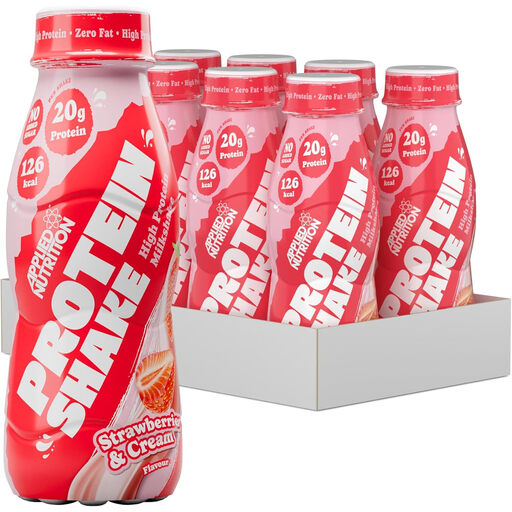
Why This Fits Their Persona: A straightforward option for adults starting a gym routine or wanting a familiar milkshake-style drink after work in the UK.
Its nutrition panel clearly states 20g protein per 330ml bottle, alongside calories, sugar and fibre rather than relying only on front-of-pack wording.
20g protein, 198 calories, 5g fibre and no added sugar per bottle; ready to drink without mixing.
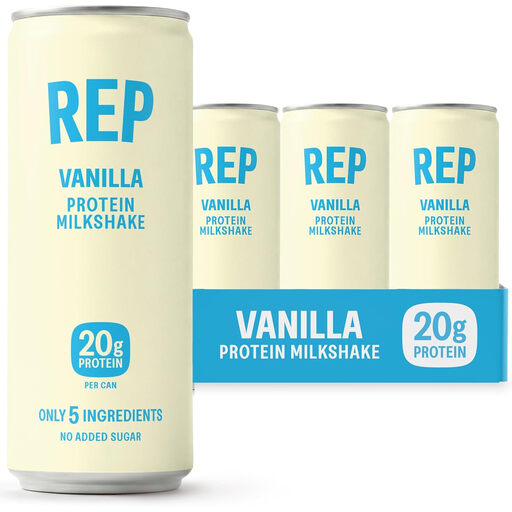
Why This Fits Their Persona: Suitable for shoppers who prefer a shorter ingredient list and a compact can for work, commuting or post-exercise use.
The listing identifies five ingredients and does not rely on vague “clean” language alone; the nutrition panel shows 20.3g protein per can.
150 calories per 250ml can; gluten-free and suitable for vegetarians, with milk as an allergen.
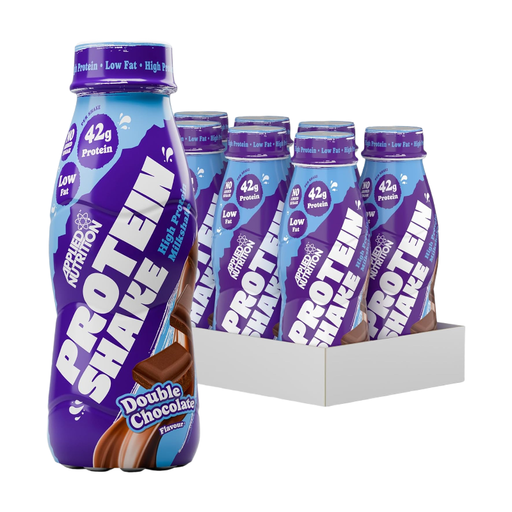
Why This Fits Their Persona: The larger bottle suits adults with higher protein targets who want a substantial post-workout drink or refuelling option.
The 500ml serving makes the total protein and calorie commitment clear: 42g protein and 240 calories per bottle.
Low fat, no added sugar and a milk-based chocolate flavour; suitable for vegetarians but contains milk.
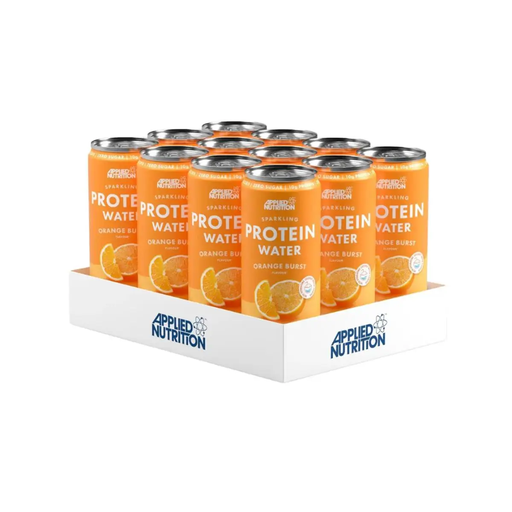
Why This Fits Their Persona: A can-based alternative for adults who prefer a chilled, lightly carbonated drink rather than a thick milkshake after training or during a busy day.
The label identifies collagen as the protein source, rather than presenting it as a conventional milk protein shake.
10g protein, 44 calories and 0.15g sugar per can; listed as dairy-free, gluten-free and Halal certified.
We have compiled a complete, real-time list of products that fully satisfy these strict selection criteria and UK safety regulations.
Before adding a multipack to your basket, confirm:
They can be a convenient way to consume protein after exercise, particularly when a full meal is not immediately practical. Timing, total daily nutrition and personal tolerance matter more than choosing a particular format. Select the serving size that fits your requirements.
Storage varies. Follow the product label before and after opening. For example, some milk-based shakes require refrigeration after opening and should be consumed within 12 or 24 hours. Do not use products if the packaging is damaged, swollen or past its best-before date.
Not automatically. Beef protein isolate and bovine collagen drinks may be dairy-free, but the source is still animal-derived. Check the ingredients, allergen statement and certification. A clear texture describes the drink’s appearance, not its dietary status.