
24/7 Customer Support

Free returns

Same-day & Next-day Delivery

Quality Guaranteed

Unlock Your Welcome Offers: FREE Delivery | Up to 80% OFF | Free 30-day JoyPlus trial
Download the APP
Ready-to-eat chestnuts can be a practical cupboard or desk-drawer snack, but not every pack offers the same level of convenience. UK shoppers often compare only the price and packet size, overlooking preparation, ingredients, storage and intended use.
Three common buying traps are worth avoiding:
The wording on the front of a pack can be less useful than the usage instructions. Look for the actual preparation format:
For a simple chestnut snack, inspect the ingredient list rather than relying on terms such as “natural” or “premium”. A product containing 100% chestnuts has a shorter ingredient list than a sweetened or seasoned alternative.
Chestnuts are botanically different from many tree nuts, but UK food labelling still identifies chestnuts as an allergen where applicable. Always read the pack’s allergen statement, particularly when buying for children, guests or someone with food allergies. One product may also state that it may contain gluten, egg, soya, milk, celery or mustard, even though chestnuts are the only listed ingredient.
Nutrition can vary between products. The supplied options list approximately 170–210 kcal per 100g, with carbohydrate levels commonly around 33–46g per 100g. Sweetened or differently processed products may have different figures, so compare the nutrition panel if portion control matters to you.
Individual pouches are useful for office drawers, train journeys, lunchboxes and travel. Larger multipacks reduce the need to reorder and work well for families or baking, but storage instructions remain important.
Before purchasing, check:
For example, Merchant Gourmet advises refrigerating unused contents in a sealed container and consuming them within three days. A sweetened roasted product advises refrigeration after opening and consumption within two days. Follow the individual pack instructions rather than assuming all cooked chestnuts have the same shelf life.
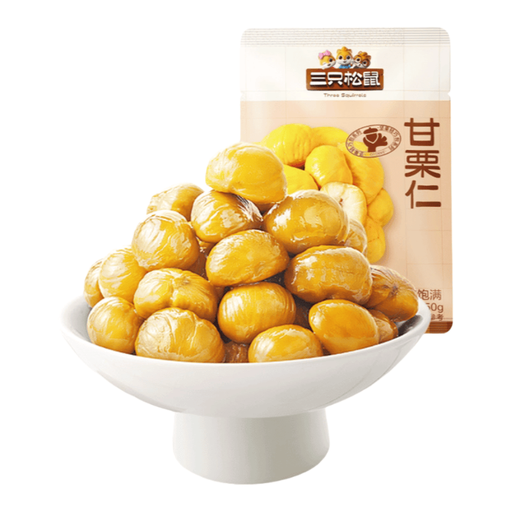
Why This Fits Their Persona: The 50g format offers a manageable introduction to ready-to-eat chestnuts for a commute, lunchbox or office snack.
It uses chestnut kernels only, with no listed additives, and avoids the inconvenience of shells.
50g lightweight pack; ready to eat directly from the bag; 0g listed salt per 100g.
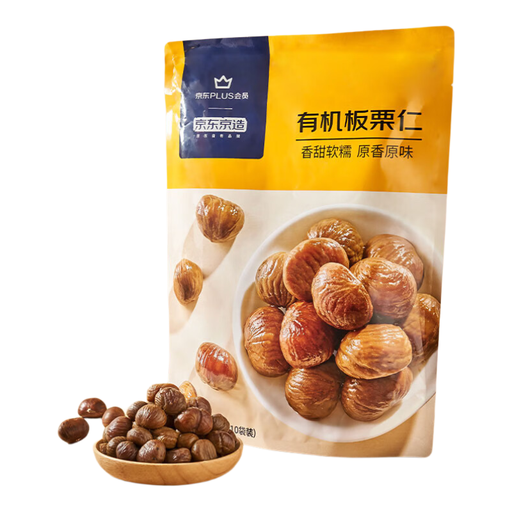
Why This Fits Their Persona: Ten 100g sachets suit shoppers who want a larger supply while retaining separate portions for home, work or travel.
The product is portioned into sachets and lists chestnuts as the ingredient, rather than relying on sweetened flavouring.
1kg total quantity; 10 x 100g sachets; ready to eat upon opening.
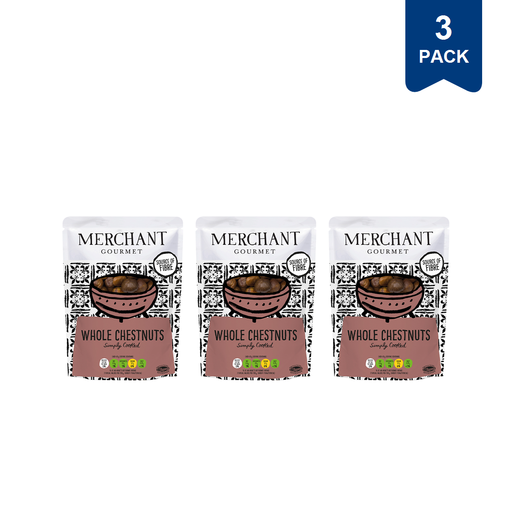
Why This Fits Their Persona: Home cooks can use these whole cooked and peeled chestnuts in stuffing, soups, stews, cakes and vegetable dishes.
It is explicitly cooked and peeled, so preparation time is reduced without adding salt, sugar or preservatives.
Three 180g packs; whole kernels; suitable for recipes or direct use; 5.3g dietary fibre per 100g stated on the listing.
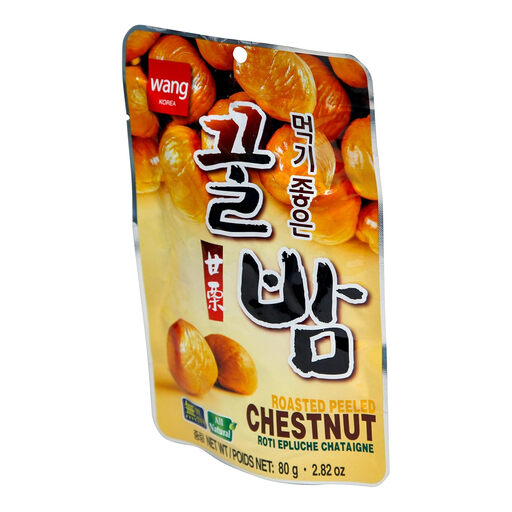
Why This Fits Their Persona: This compact option suits shoppers who specifically want a softer roasted chestnut snack with gentle added sweetness.
The ingredient list clearly includes chestnuts and sugar, making the flavour profile transparent.
Peeled and roasted; ready to eat; 80g pouch; can be warmed outside the packaging according to the instructions.
We have compiled a complete, real-time list of products that fully satisfy these strict selection criteria and UK safety regulations.
Yes. Peeled chestnuts and chestnut kernels can be chopped into cake mixtures, folded into stuffing or blended into desserts. Whole cooked chestnuts are useful when you want visible pieces in soups, stews or savoury dishes. Drain or prepare them according to the pack instructions before adding them to a recipe.
This depends on the packaging. Some products advise refrigerating unused chestnuts in a sealed container and using them within two or three days. Individually packed dry-style products may have different guidance. Always follow the storage instructions on the specific pouch and avoid relying solely on the printed best-before date once the pack has been opened.
Chestnuts can be included in family snacks, but texture and size matter. Some products carry a choking warning for children under three. Check the label, supervise young children and adapt the texture where necessary. Also review the allergen information before serving.