
24/7 Customer Support

Free returns

Same-day & Next-day Delivery

Quality Guaranteed

Unlock Your Welcome Offers: FREE Delivery | Up to 80% OFF | Free 30-day JoyPlus trial
Download the APP
Ready-to-eat chestnuts and nuts can make convenient Chinese snacks for lunchboxes, office drawers, travel bags and family sharing. They can also be useful ingredients for baking, porridge, salads and desserts. However, attractive packaging does not always tell you whether a product is suitable for your routine.
Before buying, look beyond words such as “premium”, “natural” or “healthy”. The practical details are usually found in the ingredients list, preparation instructions, pack size and storage guidance.
Not every shelled nut is prepared for immediate consumption. For example, blanched peanut kernels may be peeled and convenient, but the product instructions can still require thorough cooking. Eating a product raw when the label says cooking is required is an avoidable mistake.
Similarly, shell-on pistachios or thin-shelled walnuts need extra handling, while peeled chestnuts and chestnut kernels can usually be eaten directly from the pack.
Plain chestnuts may contain only chestnuts, but seasoned mixed nuts and flavoured products can include sugar, salt, oils, syrups, flavourings or sweeteners. A maple and lime pecan snack, for instance, offers a different taste profile and ingredient list from plain pecans for baking.
Check the full ingredients panel rather than relying on front-of-pack descriptions. This is particularly important for children’s lunchbox snacks and anyone managing allergies or limiting salt or added sugar.
Family-size packs can offer convenience, but nuts contain natural oils and can lose their aroma or crunch after opening. Chestnuts may also have a soft, moist texture that is affected by incorrect storage.
For occasional snacking, individually packed 80g–120g portions may be more practical. For families, regular snackers or home cooks, a larger pack can make sense if it is resealable or divided into smaller sachets.
Look for clear wording such as “ready to eat” or “consume directly from the packet”. Products described as roasted chestnuts, peeled chestnuts or chestnut kernels are generally designed for convenience, but always follow the individual product label.
Some products are only partly prepared:
For a simple snack, look for a short ingredient list. Several chestnut products in this selection contain 100% chestnuts, with no added seasoning. This can be useful when you want a naturally sweet flavour or an ingredient for baking.
Flavoured nuts can be more suitable for treat-style snacking. ChaCha Pecan Kernels with Maple Syrup & Lime, for example, contains pecans, malt syrup, sugar, palm oil, lime, maple syrup, rock sugar, salt and flavourings.
Under UK food labelling practice, allergens must be declared clearly. Common allergens in this category include peanuts, cashews, pistachios, walnuts, pecans, macadamia nuts and other tree nuts. Always read the current packaging, particularly when buying for children or someone with a diagnosed allergy. Whole nuts may also present a choking risk for small children.
Compare price by weight rather than by packet appearance. The available sizes range from small 70g–120g snack packs to 500g and 1kg multi-pack formats.
Nutrition information is normally shown per 100g, making it easier to compare products. Chestnuts tend to be lower in fat than many conventional nuts and provide carbohydrate, while nuts such as walnuts, cashews, pistachios, pecans, pine nuts and macadamias are typically more energy-dense. This does not make one category suitable for everyone; portion size and personal dietary needs matter.
Store unopened products in a cool, dry place away from direct sunlight, unless the packaging says otherwise. Reseal opened nuts and consume them according to the stated guidance.
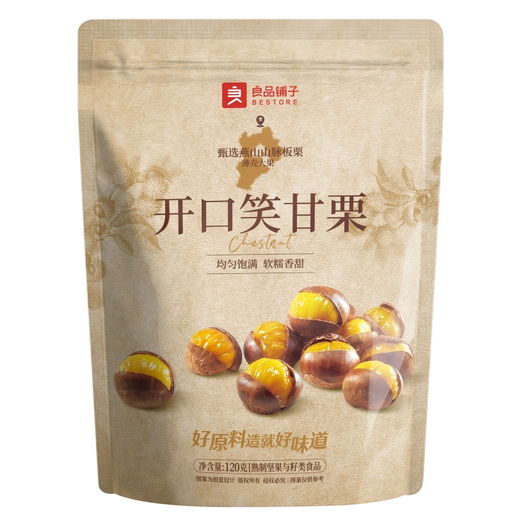
Why This Fits Their Persona: A modest 120g pack is suitable for trying ready-to-eat roasted chestnuts without committing to a bulk purchase. It can fit into an office bag or day-trip snack collection.
The listing identifies it as ready to eat and lists chestnuts as the ingredient, helping shoppers distinguish it from raw kernels that require cooking.
120g net quantity; individually packed format; no added oils or sugars stated in the product information.
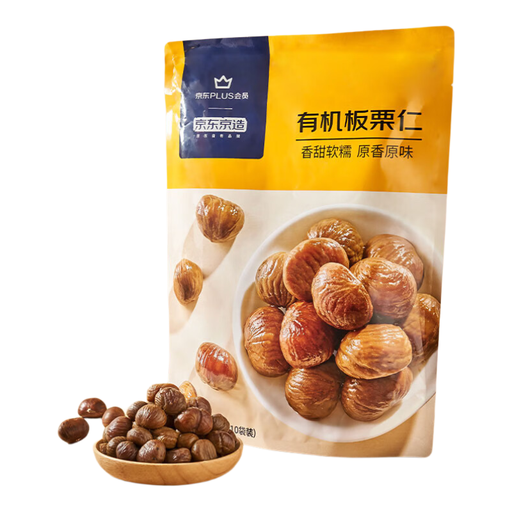
Why This Fits Their Persona: Ten 100g sachets offer portion control and a more organised supply for households that regularly eat peeled chestnuts.
The product is sold as ready-to-eat peeled chestnuts in separate sachets, reducing the freshness and portioning issues associated with one large opened bag.
1kg total quantity; 10 x 100g sachets; chestnut kernels listed as 100% of the ingredients.
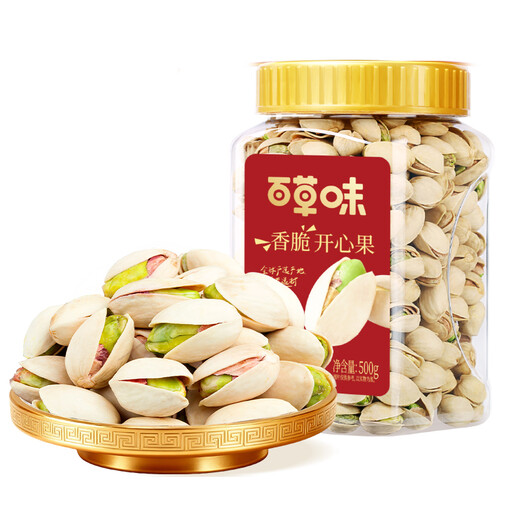
Why This Fits Their Persona: The 500g format suits family sharing, frequent snacking and recipes that use pistachios in salads, desserts or baking.
The product information clearly states that the pistachios are salted and should be shelled before eating, so buyers can plan for the extra preparation.
500g pack; lightly roasted with salt; suitable for snacking, baking, salads and desserts.
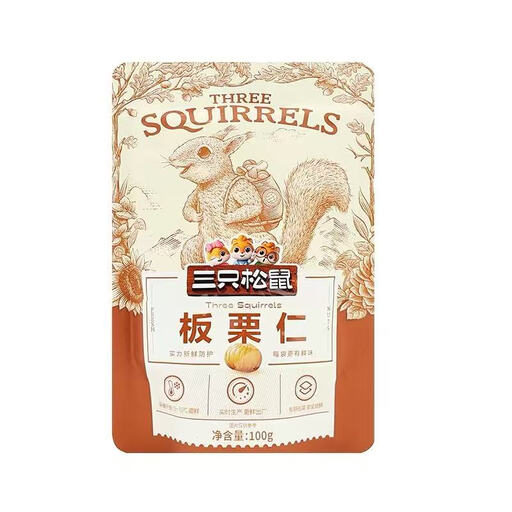
Why This Fits Their Persona: The compact resealable pack is practical for lunchboxes, commuting, hiking and short journeys where peeling or cooking is inconvenient.
The listing states that the kernels are ready to eat, with no added sugar, preservatives or artificial colours stated in the product information.
100g resealable pack; chestnut kernels listed as 100%; suitable for direct snacking.
We have compiled a complete, real-time list of products that fully satisfy these strict selection criteria and UK safety regulations.
They can be convenient for lunchboxes when the pack is clearly labelled ready to eat, unopened or properly resealed, and suitable for the child’s age. Whole nuts can be a choking hazard for small children, so check current UK safety guidance and consider the child’s ability to chew safely.
This depends on the product. Many labels advise storing nuts in a cool, dry place and consuming them soon after opening. Resealable packaging can help limit exposure to air, but it does not replace the storage and use-by guidance printed on the pack.
Plain chestnut kernels, peanut kernels, walnuts, pecans, pistachios, pine nuts, cashew nuts and macadamia nuts can all be used in different recipes. Choose products according to the recipe: raw peanut kernels may require cooking, while ready-to-eat roasted nuts can usually be chopped and added directly. Always check whether salt, sugar, oil or flavourings will affect the finished dish.