
24/7 Customer Support

Free returns

Same-day & Next-day Delivery

Quality Guaranteed

Unlock Your Welcome Offers: FREE Delivery | Up to 80% OFF | Free 30-day JoyPlus trial
Download the APP
Ready-to-eat chestnuts can be a convenient snack, lunchbox addition or shortcut for winter cooking. However, product descriptions do not always make the most important differences clear. A small pouch may suit one person perfectly, while a large chestnut multipack could be more practical for baking, meal preparation or sharing.
Before buying, check whether you are choosing peeled chestnuts, roasted chestnuts, whole cooked chestnuts or a product designed for cooking. The following guide explains the main buying pitfalls, the label details worth checking and our top recommendations for different shopping needs.
“Chestnut” can refer to two different foods. Sweet chestnuts are soft, naturally sweet and slightly floury, making them suitable for snacking, stuffing and desserts. Water chestnuts are aquatic vegetables with a crisp texture, usually sold in water for stir-fries, soups and salads.
If you want a sweet chestnut snack, check that the ingredients say chestnuts or chestnut kernels. Products labelled water chestnuts are not a substitute for roasted or cooked sweet chestnuts.
A multipack can offer convenience, but compare the total net weight, number of portions and packaging format. Individually packed 80g or 100g sachets may be useful for work or travel, while a single 180g pouch may create less packaging for home cooking.
Also check whether the stated quantity is drained weight. This matters most for chestnuts packed with liquid, although most ready-to-eat chestnut kernels are sold without added water.
A simple ingredient list is useful, but it does not remove the need to check the allergen statement. Chestnuts are tree nuts and should be avoided by anyone with a relevant allergy. Some cooking products may also carry “may contain” warnings for cereals, milk, soya, egg, celery, mustard or other allergens because of shared production facilities.
“Natural” also does not mean low in carbohydrates. Chestnuts are naturally starchy, so compare the nutrition panel if you are monitoring carbohydrate or sugar intake.
For the simplest option, look for chestnuts: 100% or chestnut kernels: 100%. This indicates that the product contains no added sugar, oil, salt or preservatives, although you should still read the full packaging.
Preparation affects texture and use:
Some split-shell products are processed with a pre-cut shell for easier access. They may be convenient, but check whether the product is genuinely ready to eat or requires further heating.
Nutrition panels make product comparisons more reliable than phrases such as “light” or “wholesome”. The products listed here range from around 170 to 210 kcal per 100g, with carbohydrates commonly between 33g and 46g. Dietary fibre varies, with several products providing approximately 5g per 100g.
For a lower-fat snack, some chestnut kernels list around 0g to 2g of fat per 100g. However, portion size still matters. An 80g pouch and a 400g multipack serve very different shopping occasions, even if the per-100g figures are similar.
Choose the size around how you will use the chestnuts:
Most shelf-stable packs should be stored in a cool, dry place away from direct sunlight. After opening, follow the product instructions carefully. Some pouches require refrigeration and consumption within two or three days, while individually sealed packs are designed for separate use.
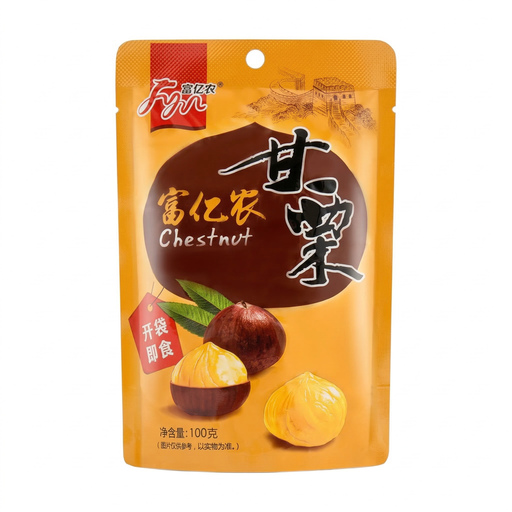
Why This Fits Their Persona: A compact 100g pack suits shoppers trying ready-to-eat chestnuts for the first time, or anyone wanting a portable office, commute or travel snack.
The ingredients list contains chestnuts only, with no added seasonings listed, and the product is described as pre-cooked, peeled and vacuum-packed.
100g format; 100% chestnuts; ready to eat; provides 5g dietary fibre per 100g according to the listed nutrition information.
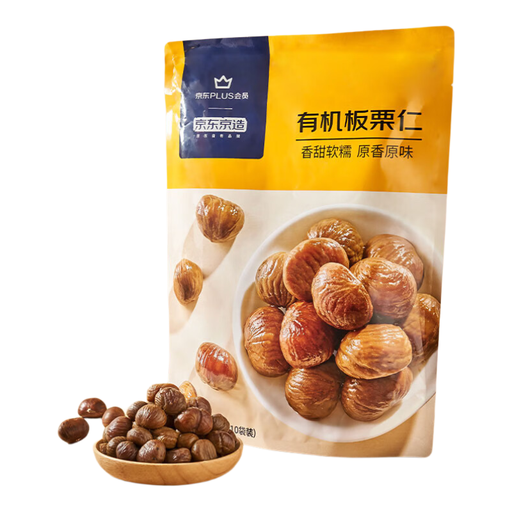
Why This Fits Their Persona: Ten separate 100g sachets offer a larger supply while keeping portions individually packed for households that value consistency and convenient storage.
The pack format makes the total quantity clear: 1kg divided into 10 sachets. Each sachet is listed as ready to eat and contains chestnuts only.
1kg total weight; 10 individual sachets; 100% chestnut kernels; listed at 191 kcal per 100g.
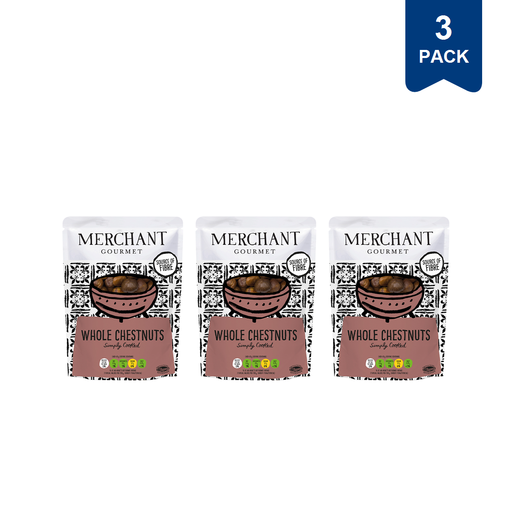
Why This Fits Their Persona: Designed for home cooks who need chestnuts for baking, stuffings, soups, stews, pâtés and vegetable dishes rather than only casual snacking.
The product is explicitly whole, cooked and peeled, so it avoids the preparation time associated with raw chestnuts. Storage instructions also state that opened contents should be refrigerated and used within three days.
Three 180g packs; ready to use from the pouch; 100% whole chestnuts; 5.3g dietary fibre per 100g when drained.
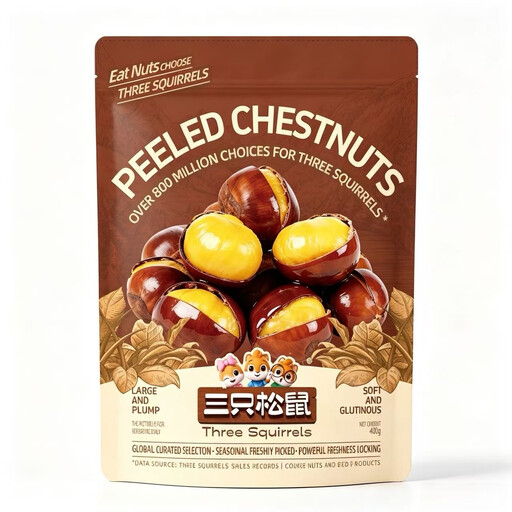
Why This Fits Their Persona: The larger pack is suitable for sharing, lunchboxes and regular snacking, while the ready-to-eat format avoids peeling at a desk, on a journey or during a day out.
The listed ingredients contain chestnut kernels only, and the usage instructions state that they can be eaten directly from the bag.
400g net weight; 100% chestnut kernels; individually packaged format noted in the product description; 0g salt per 100g listed.
We have compiled a complete, real-time list of products that fully satisfy these strict selection criteria and UK safety regulations.
Keep unopened packs according to the label, usually in a cool, dry cupboard away from sunlight. Once opened, reseal where possible and follow the stated refrigeration period. Do not microwave a pouch unless the packaging specifically permits it; for products such as whole cooked chestnuts, transfer the contents to a suitable dish before gentle heating.
For recipes, whole chestnuts can be folded into stuffing, soups, cakes, porridge and savoury vegetable dishes. Sweetened roasted peeled chestnuts are more suitable for snacking or desserts than for recipes where added sweetness would be unsuitable.
Many peeled, cooked or roasted chestnut products are labelled ready to eat and can be consumed after opening. Always check the individual product instructions, allergen information and packaging condition before eating.
This depends on the product. Some manufacturers advise consuming opened contents soon after opening, while refrigerated pouch products may state a period such as two or three days. Follow the label rather than relying on a general shelf-life estimate.
Yes. Plain chestnut kernels are suitable for stuffings, soups, cakes, desserts and savoury dishes. Choose an unsweetened product with no added flavourings when using chestnuts as a general cooking ingredient.