
24/7 Customer Support

Free returns

Same-day & Next-day Delivery

Quality Guaranteed

Unlock Your Welcome Offers: FREE Delivery | Up to 80% OFF | Free 30-day JoyPlus trial
Download the APP
Ready-to-eat chestnuts can be a practical cupboard staple: open a pack for a sweet chestnut snack, add peeled chestnuts to stuffing, or use cooked chestnuts in soups, stews and desserts. However, products can differ considerably in texture, pack format, storage instructions and allergen information.
The main challenge is separating useful convenience from vague marketing. A large-looking bag may contain several small sachets, while “natural” may simply mean chestnuts are the only listed ingredient. Before buying chestnuts online in the UK, check the information that affects how you will actually use them.
Some packs contain whole, cooked and peeled chestnuts, while others contain smaller kernels or pre-cut chestnuts. Whole chestnuts are more suitable when presentation and texture matter, such as festive dishes or salads. Kernels can be more convenient for snacking, baking or blending into soup.
If a listing says “split-shell” or “pre-cut”, do not assume the chestnuts are fully peeled. Confirm whether the product is ready to eat straight from the pouch or requires further preparation.
An 80g or 100g pouch may suit one office break, packed lunch or walking trip, but it may not be enough for a family recipe. Conversely, a 1kg box can offer convenience for frequent users but may be excessive if you only cook with chestnuts occasionally.
Check whether the stated weight refers to one pouch, a multipack or the total quantity. Ten 100g sachets, for example, offer a different storage and portioning experience from one large open bag.
A short ingredient list is useful, but it does not tell you everything. Compare the nutrition panel, storage guidance, country of origin, best-before information and allergen statement. Chestnuts are naturally carbohydrate-rich compared with many other nuts, so they may suit shoppers looking for a soft, filling food, but they should not be judged by the same nutritional expectations as almonds or walnuts.
For minimally processed chestnuts, look for an ingredient list such as chestnuts 100% or chestnut kernels 100%. This helps identify products without added salt, sugar, oil or seasoning. It is still important to read the packaging, especially if you have a food allergy or are buying for someone else.
The supplied product information varies: some listings identify chestnuts as nuts, while another states no allergens present. Treat the current pack label as the deciding source, and check warnings about possible cross-contact where applicable.
Choose according to how you intend to use the product:
Never assume that raw chestnuts are ready to eat. Products labelled as raw or requiring cooking must be prepared according to the instructions.
Shelf-stable pouches are convenient, but the advice after opening differs. Several snack products recommend consuming them soon after opening and storing them in a cool, dry place before opening. Merchant Gourmet Whole Chestnuts advises refrigerating unused contents in a sealed container and consuming them within three days.
This makes individually packed chestnut snack packs useful for work, school lunches and hiking, while larger cooking pouches may need a little more meal planning.
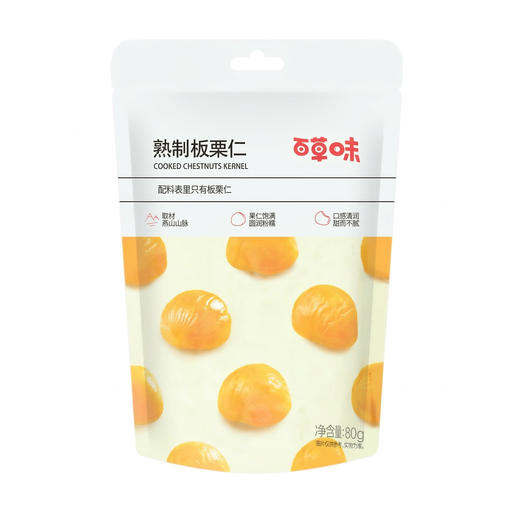
Why This Fits Their Persona: A compact entry-size pouch for trying ready-to-eat chestnuts without committing to a larger multipack. It can fit a desk drawer, lunch bag or afternoon tea routine.
The listing clearly states ready to eat upon opening and identifies chestnut kernels as the sole ingredient, helping avoid confusion over preparation and added seasoning.
80g net weight; 100% chestnut kernels; 185 kcal and 0.05g salt per 100g according to the supplied nutrition information.
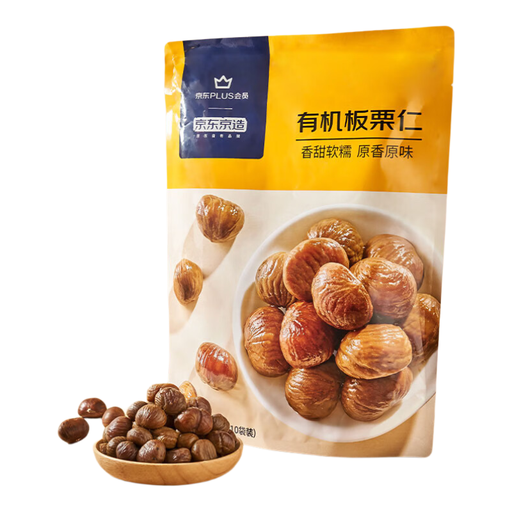
Why This Fits Their Persona: Ten individually packed 100g portions suit households that value intact whole kernels, consistent portioning and a supply for regular snacking.
The total quantity is broken down as 10 sachets of 100g, so the pack format is clear rather than relying only on a large headline weight.
1kg total weight; 100% chestnut kernels; individually portioned and ready to eat upon opening.
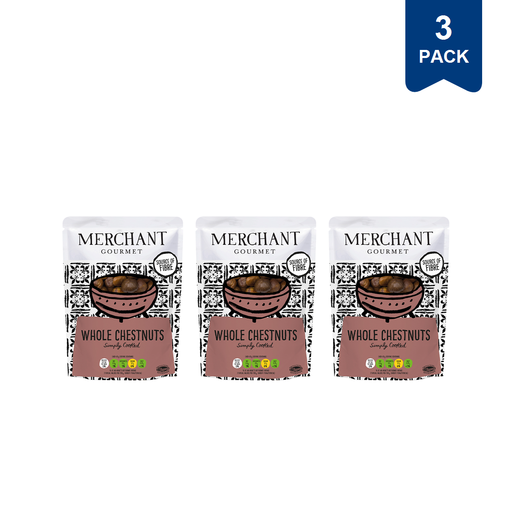
Why This Fits Their Persona: A practical choice for stuffing, soups, stews, cakes, pâtés and desserts when you want ready-to-use whole chestnuts rather than a snack-only format.
The product is described as whole, cooked and peeled, with explicit recipe uses and post-opening refrigeration guidance.
Three 180g packs; 100% whole chestnuts; 5.3g dietary fibre per 100g drained, as listed.
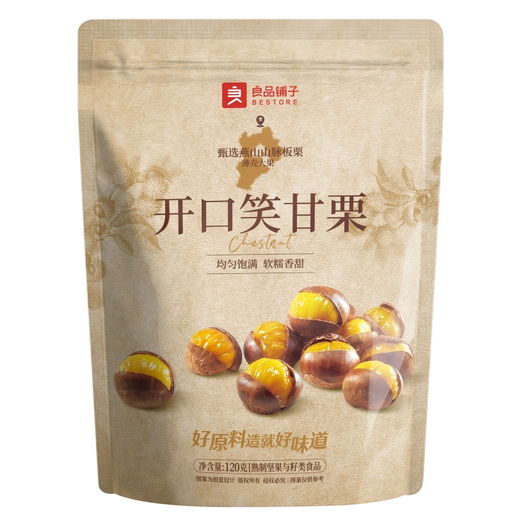
Why This Fits Their Persona: The 120g pack is suited to travel, lunch boxes and outdoor breaks where a pre-cooked snack can be eaten without utensils or kitchen preparation.
The listing identifies roasted chestnuts, a 120g net quantity and ready-to-eat use, making the intended snack format straightforward.
Chestnuts are listed as the sole ingredient; individually packed format; 196 kcal and 0.01g salt per 100g according to the supplied information.
We have compiled a complete, real-time list of products that fully satisfy these strict selection criteria and UK safety regulations.
Yes, if the packaging states ready to eat or ready to eat upon opening. Cooked, roasted and peeled chestnuts can generally be served directly, while raw or split-shell products may require preparation. Always follow the instructions on the specific pack.
Follow the product’s storage directions. Many sealed snack pouches should be consumed soon after opening. For products such as Merchant Gourmet Whole Chestnuts, unused contents should be refrigerated in a sealed container and consumed within three days. Do not rely on the unopened shelf life after the pack has been opened.
Yes. Chestnuts for cooking can be stirred into stuffing, soups, stews, vegetable dishes, cakes and desserts. Whole cooked chestnuts work well when you want visible pieces, while chestnut kernels are convenient for chopping, mashing or blending. Choose the pack size according to the number of recipes you plan to make, and check whether the product contains added salt, sugar or oil.