
24/7 Customer Support

Free returns

Same-day & Next-day Delivery

Quality Guaranteed

Unlock Your Welcome Offers: FREE Delivery | Up to 80% OFF | Free 30-day JoyPlus trial
Download the APP
For many of us in the UK, a warm bowl of porridge is a comforting start to the day. But when mornings are a frantic rush, the traditional method of simmering oats on the hob is a luxury we can't afford. This has led to a surge in ready to eat porridge and instant porridge options. While convenient, the sheer variety can be overwhelming, and it's easy to make a purchase you'll regret.
As a Joybuy Product Recommendation Officer, my role is to help you navigate the crowded shelves. We'll look past the flashy packaging and marketing buzz to focus on what truly matters, ensuring your quick breakfast is both convenient and satisfying. Let's break down the common pitfalls to avoid.
multigrain porridge. Similarly, traditional Asian porridge, or congee, has a very different consistency. Descriptions like "smooth", "hearty" or "with whole grains" are key clues to look for.canned porridge or pouches, require no preparation at all and can sometimes be eaten cold. Understanding this difference is crucial to matching a product to your lifestyle.To ensure you choose wisely, focus on these three core parameters. They provide a reliable framework for comparing different types of ready to eat porridge.
The primary ingredient dictates the porridge's character.
ready to eat congee is made from rice. It can be savoury or sweet and its texture ranges from a thick, soupy consistency to a denser, grain-filled porridge.For a straightforward comparison, look at the nutritional values per 100g.
Consider where and when you'll be eating your porridge.
Asian porridge and some baby porridge options.Instead of a generic list, we've matched some popular options to the people they suit most.
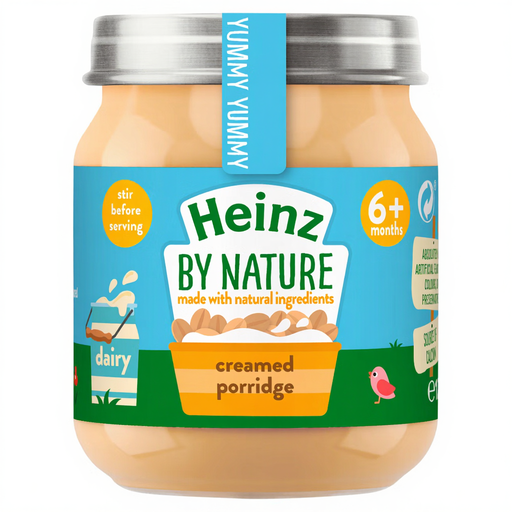
Why This Fits Their Persona: This is a straightforward, reliable choice for parents introducing solids. The single-serving jar format is perfect for quick, portion-controlled meals during the busy weaning stage, removing guesswork from preparation.
It avoids the "texture disappointment" trap by being specifically formulated with a smooth, gentle texture for babies from 6 months. The ingredients are simple and clearly listed.
A source of calcium for normal bone development. Contains no artificial colours, preservatives or flavours. It's a classic baby porridge that is simple to prepare.
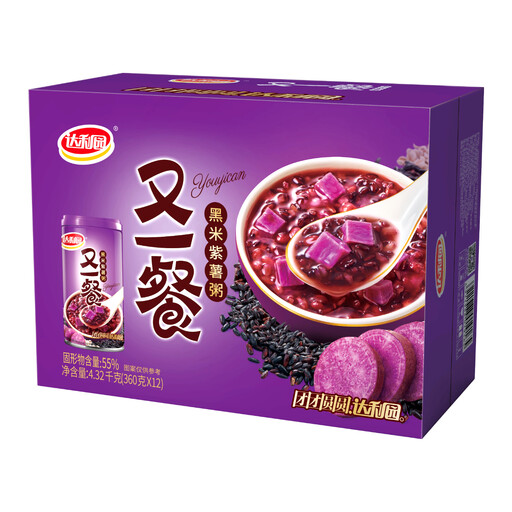
Why This Fits Their Persona: For those looking to explore beyond traditional oats, this Asian porridge offers a unique flavour combination of black rice and purple sweet potato. It's a convenient way to experience a popular East Asian breakfast or dessert.
This is a true ready to eat congee that can be eaten hot or cold, avoiding the "instant misconception". Its nature as a multigrain congee is clear, setting expectations for a chewy, sweet and textured meal.
A rich blend of grains including oats, buckwheat and red beans. The canned porridge format makes it incredibly convenient for a quick meal or snack with zero preparation required.
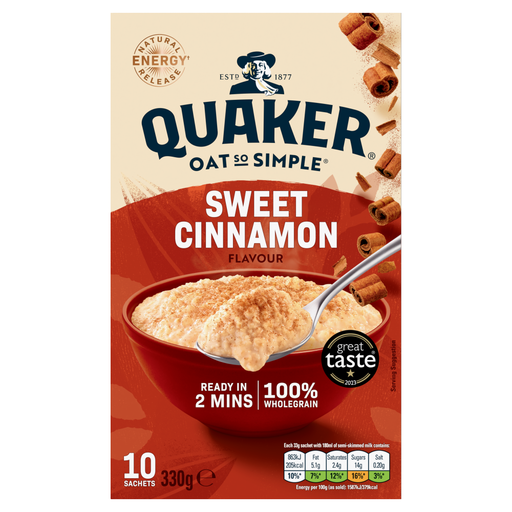
Why This Fits Their Persona: This is the classic instant porridge for someone who needs a warm, filling breakfast in minutes. The individual sachets are easy to keep in a desk drawer or kitchen cupboard for a reliable and fast meal before a busy day.
It avoids the "instant misconception" by providing clear microwave instructions that take just two minutes. The sachet format makes it obvious that preparation is required, unlike a can.
Made with 100% whole grain oats and packaged in convenient, portion-controlled sachets. The sweet cinnamon flavour is a comforting and familiar choice for a quick breakfast.
We have compiled a complete, real-time list of products that fully satisfy these strict selection criteria and UK safety regulations.
This depends entirely on the product type. Canned ready to eat congee and some pouched porridges are specifically designed to be enjoyed hot or cold. However, instant porridge sachets that contain dry oats must be cooked with a hot liquid before eating and are not suitable for cold consumption. Always check the preparation instructions on the packaging.
The main difference is the grain used. Traditional British porridge is made from oats, giving it a thick, creamy texture. Congee is a type of Asian porridge made from rice, which is cooked for a long time with plenty of water, resulting in a texture that can range from a thick soup to a soft, broken-rice porridge. Congee can be sweet or savoury, while oat porridge is typically served sweet.
For dry instant porridge in sachets, each sachet is a single serving and should be used immediately after opening. For canned porridge or pouches, once the seal is broken, any uneaten portion should be transferred to a non-metallic container, refrigerated and consumed within 24 to 48 hours, as specified on the product label.