
24/7 Customer Support

Free returns

Same-day & Next-day Delivery

Quality Guaranteed

Unlock Your Welcome Offers: FREE Delivery | Up to 80% OFF | Free 30-day JoyPlus trial
Download the APP
As a new or expectant parent, navigating the world of baby products can feel overwhelming. Ready to feed first infant milk offers a simple and convenient solution for feeding your newborn, especially during those first hectic weeks, for night feeds or when you're out and about.
However, this convenience can sometimes come with hidden pitfalls. A few common oversights when choosing a premade baby milk for newborns can lead to wasted money, unnecessary stress and choosing a product that doesn’t quite fit your family’s needs. Before you buy, let’s look at the three most frequent traps to avoid.
To make a confident choice, it helps to understand a few key parameters. Focusing on these non-negotiable points ensures you get a product that is safe, appropriate and practical for your baby.
When looking for a formula for a baby aged 0-6 months, you must choose a Stage 1 formula, also known as first infant milk.
The convenience of liquid infant formula UK options is closely tied to their packaging. Choosing the right format for the right situation is key.
All infant formulas sold in the UK are subject to strict regulations to ensure they are safe and provide adequate nutrition.
To help you find the right fit, we've matched some ready-to-feed options to common parenting scenarios.
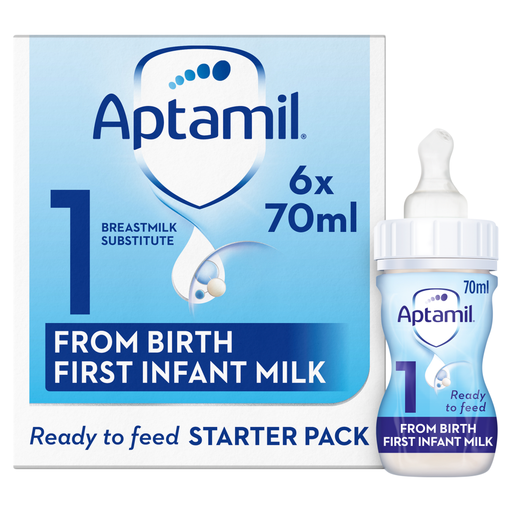
Why This Fits Their Persona: This parent prioritises ultimate convenience and hygiene for the first few days. The small 70ml bottles are perfectly portioned for a newborn, and the included pre-sterilised teats mean there's no need for extra equipment. It's the ideal all-in-one solution for a hospital bag or the first night at home.
It directly solves the "Volume vs. Use-Case Error" by providing small, single-feed bottles, preventing the waste that comes from opening a large bottle for a tiny feed.
Includes 6 orthodontic-shaped teats that screw directly onto the bottles. UHT sterilised for safe, hygienic feeding with zero preparation.
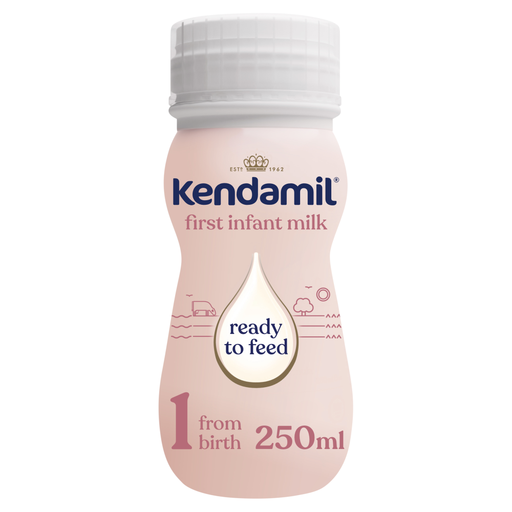
Why This Fits Their Persona: This parent carefully considers the source of ingredients. Kendamil's commitment to using no palm oil, sourcing DHA from plant-based algae (making it vegetarian-friendly) and using full-cream whole milk from British farms aligns with a preference for more natural and sustainable options.
This choice directly avoids the "Ignoring Key Formulation Details" trap by offering clear, desirable points of difference that go beyond the basic nutritional requirements.
Vegetarian-friendly (no fish oil). Formulated without palm oil and uses whole milk as a natural fat source.
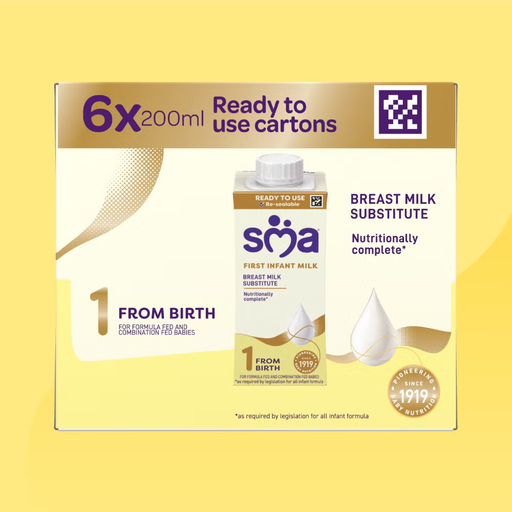
Why This Fits Their Persona: This parent is looking for a reliable, practical solution for regular use. A multipack of 200ml bottles is perfect for stocking the cupboard for night feeds or for those who regularly combination feed. It offers a balance of convenience and value, reducing the frequency of shopping trips.
This multipack format avoids the "Volume vs. Use-Case Error" for home use, providing a more cost-effective and practical supply than buying many small, individual bottles.
Nutritionally complete formula in a convenient 6 x 200ml multipack. Ideal for ensuring you always have a supply on hand for home or travel.
We have compiled a complete, real-time list of products that fully satisfy these strict selection criteria and UK safety regulations.
Once you open a bottle of ready-to-feed formula, it must be stored correctly. If there is unused milk left in the original container (e.g., a 200ml bottle), you should replace the cap, store it upright in the fridge and use it within 24 hours. For hygiene reasons, any milk left in your baby's feeding bottle after a feed should be discarded immediately and not saved for later.
Yes, you can. While it is perfectly safe to serve at room temperature, some babies prefer their milk warm. To warm it, stand the sealed feeding bottle in a bowl of warm water. Always test the temperature on the inside of your wrist before feeding to ensure it's not too hot. You should never use a microwave to heat formula, as it can create dangerous "hot spots" that could scald your baby's mouth.
Generally, yes. The higher price of ready-to-feed formula reflects the convenience of it being pre-measured, mixed and sterilised. For parents who are exclusively bottle-feeding, powdered formula is typically the more economical option for day-to-day use. However, many parents find the convenience of premade baby milk invaluable for specific situations like travel, outings and night feeds.
Important Notice: Breastfeeding is recommended for babies. First infant milk should only be used on the advice of a doctor, midwife, health visitor, public health nurse, dietitian, pharmacist or other professional responsible for maternal and child care.