
24/7 Customer Support

Free returns

Same-day & Next-day Delivery

Quality Guaranteed

Unlock Your Welcome Offers: FREE Delivery | Up to 80% OFF | Free 30-day JoyPlus trial
Download the APP
A rechargeable electric toothbrush can make a manual-brushing routine easier to follow, but product pages often focus on pulse counts, app features and impressive plaque-removal figures. Those details do not always tell you whether a brush will be comfortable, practical or affordable to maintain in a UK household.
The most useful question is not simply “Which toothbrush has the most features?” It is “Which features will help me brush consistently without creating extra inconvenience?”
Sonic models may advertise tens of thousands of pulses per minute. This is a technical specification, not a standalone measure of your results. Brushing coverage, suitable pressure, brush-head condition and a full two-minute routine also matter.
A sonic electric toothbrush with a sensible timer and a comfortable handle may be more useful than a stronger model that feels unpleasant or encourages rushed brushing.
The initial handle price is only part of the cost. Check which replacement heads are compatible, how easily they can be purchased and whether the head design suits your mouth. A cheaper handle can become less economical if replacement heads are difficult to source or only available in expensive multipacks.
Also be cautious with vague phrases such as “professional clean” or “dentist-recommended electric toothbrush”. These descriptions do not replace checking the actual timer, pressure guidance, charging method and head availability.
A charging dock may work well on a bathroom shelf but be awkward in a suitcase. UK shoppers should check whether the product uses USB-C, includes a travel case or comes with a UK 2-pin plug. A 2-pin plug is commonly supplied with low-power appliances such as toothbrushes and shavers; a suitable adapter may be required for a three-pin socket.
Water resistance also needs sensible handling. Even a waterproof handle should be dried before charging, and the charger or charging case should be kept away from water unless its instructions specifically allow otherwise.
A two-minute timer helps divide brushing into a consistent routine. A quad pacer goes further by prompting you to move between the four sections of your mouth. This is particularly useful for beginners, children under supervision and anyone who tends to spend too long on the front teeth.
Look for an electric toothbrush with timer functions that are built into the handle rather than dependent on a phone app.
An electric toothbrush with pressure sensor can alert you when you press too firmly. This is a practical feature for people who are moving away from vigorous manual scrubbing or who prefer gentler feedback.
Two or more modes can also be useful. A gentle setting may suit sensitive-feeling teeth, while a standard or deep-clean setting can provide a different brushing sensation. However, a sensitive setting does not diagnose or treat dental problems. If you have persistent discomfort, bleeding or orthodontic concerns, seek advice from a dental professional.
Battery claims should be read alongside your routine. A model offering two weeks of use may be sufficient for most homes, while a brush lasting five or six weeks can reduce charging for frequent travellers.
A USB-C rechargeable toothbrush is convenient if you already carry USB-C cables, but confirm whether a mains adaptor is included. Also check whether the charging system is proprietary, as replacing a lost dock may be more difficult than replacing a standard cable.
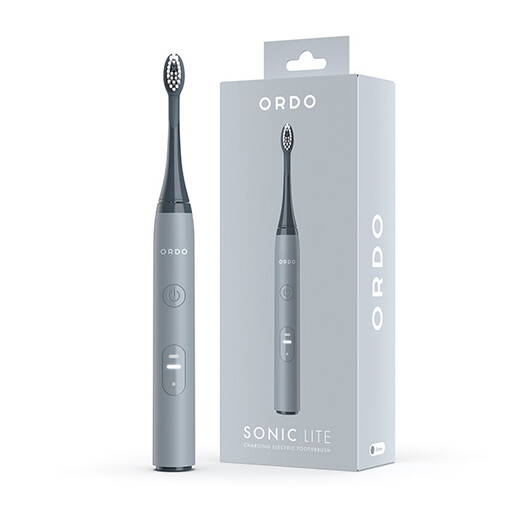
Why This Fits Their Persona: A straightforward upgrade for UK adults who want sonic cleaning, guided brushing and USB-C charging without paying for app-based functions.
It provides a two-minute timer and quad pacer, so the headline pulse figure is supported by practical brushing guidance.
35,000 sonic pulses per minute, two modes, USB-C charging and a stated 5+ weeks of battery use per charge.
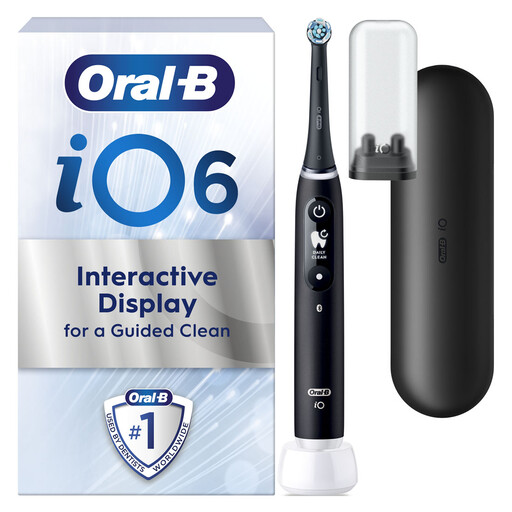
Why This Fits Their Persona: Suitable for shoppers who value detailed feedback, several brushing options and a travel case as part of their daily routine.
The pressure sensor gives visual feedback rather than leaving brushing force entirely to guesswork, while the display shows mode and battery information.
Five modes, a two-minute timer, app connectivity, magnetic charging and up to two weeks of use per charge.
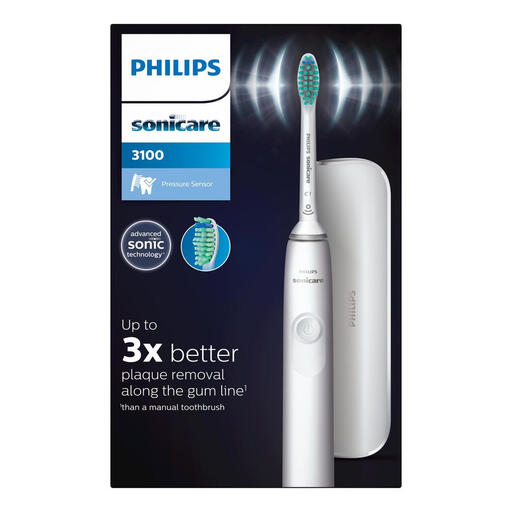
Why This Fits Their Persona: A practical option for adults seeking pressure guidance and a familiar sonic format, including users who want to discuss suitability with their dentist or orthodontist.
Its pressure sensor can pulse as a reminder when too much force is used, helping address the common over-brushing pitfall.
31,000 brush strokes per minute, two-minute SmartTimer, QuadPacer, pressure sensor and a stated battery life of up to two weeks.
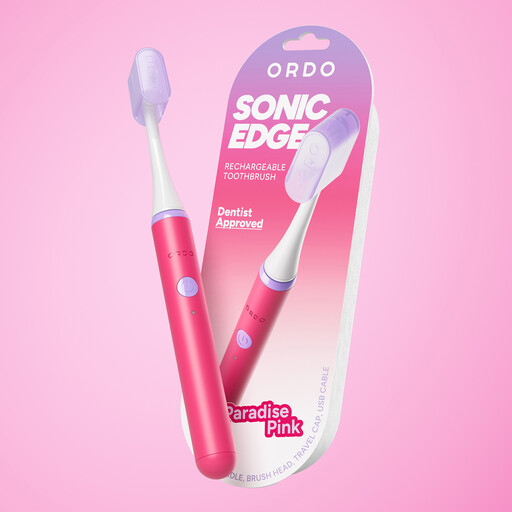
Why This Fits Their Persona: Its compact format suits hand luggage, overnight bags and users who do not want a bulky charging dock in a small footprint bathroom.
It uses USB-C charging and a two-minute timer with quad pacer, avoiding dependence on a dedicated dock and reducing rushed brushing.
Lightweight travel design, USB-C charging and stated battery use of up to six weeks per charge.
We have compiled a complete, real-time list of products that fully satisfy these strict selection criteria and UK safety regulations.
It can reduce the need to buy disposable batteries, particularly when used twice daily. However, the long-term cost also includes replacement heads and, for some models, proprietary chargers or app-related accessories.
Lifespan depends on battery care, water exposure, charging equipment and everyday handling. A product with a two-year manufacturer warranty offers a clearer support period, but warranty coverage does not necessarily include normal brush-head wear or accidental damage.
Many people choose gentle modes and smaller brush heads for these situations, but suitability varies. A toothbrush described as suitable for dental work is not a substitute for personalised advice. Use light pressure, follow cleaning guidance from your dental professional and stop if brushing causes ongoing discomfort.