Small-tent overnight campers
You need electric light for changing, reading or finding essentials after sunset, without carrying a lantern that is awkward to pack or place.


Choose an electric rechargeable lantern with a dim setting and a reliable way to hang or stand it; Mid and West Wales Fire and Rescue Service advises never using a fuel-burning lantern inside a tent. For a small tent or a walk to camp, consider a compact model if its light and runtime meet your needs. For a shared tent or several nights, compare runtime at the brightness you will use and plan how you will recharge it.
You need electric light for changing, reading or finding essentials after sunset, without carrying a lantern that is awkward to pack or place.
You need light through repeated evenings and a charging or battery-backup plan when access to a power socket is uncertain.
You need adjustable area light for several people and tasks, including a lower setting when full brightness is unnecessary.
For light inside a tent, start with an electric lantern rather than a fuel-burning one, as Mid and West Wales Fire and Rescue Service advises. Then match the lantern's runtime, placement and light controls to your trip.
| Concern | What to check | Who this matters to |
|---|---|---|
| Safe light inside the tent | Choose a battery-powered electric lantern, not a fuel-burning one. Follow its charging instructions. | Inside a fabric tent, I want light without a fuel-burning flame; around 40% of consumers put safe tent lighting first. |
| Light across several nights | Compare runtime at the brightness you expect to use and check your charging or battery-backup options. | For repeated evenings without easy charging, I need to know how long useful light will last. Around 30% of consumers prioritise multi-night runtime. |
| Weight and placement | Check weight and whether the lantern can hang or stand where you need it; magnetic mounting needs a suitable surface. | When I carry my kit to a small tent, I want a light that is easy to pack and position; roughly 20% of consumers put portability and placement first. |
| Shared-tent lighting | Look for adjustable output and a way to direct or spread light across the tasks you have in mind. | Sharing a tent, I need enough light for several tasks without leaving it at full output; around 10% of consumers chiefly need adjustable area light. |
A brighter flame does not make enclosed-tent use safe. Mid and West Wales Fire and Rescue Service advises never using fuel-burning devices, including lanterns, inside a tent.
Use an electric lantern for inside-tent lighting and keep fuel-burning equipment outside.
Those figures can describe different operating settings. BioLite quotes five hours on high and up to 200 hours on low for the AlpenGlow 500.
Compare the stated runtime at the light level you expect to use, particularly if you need it for several evenings.
Charging and backup options differ by model: Ledlenser lists rechargeable-and-AA operation for the ML4, while Goal Zero lists solar compatibility and a hand crank for the Lighthouse 600.
Choose a backup method you can use on your trip, and check the exact variant and any accessories it requires.
Greater Manchester Fire and Rescue Service warns that the wrong charger can overheat a battery and start a fire.
Follow the manufacturer's charging instructions, use the supplied or approved equipment, and keep the lantern away from bedding and other flammable materials while charging.
The ML4 illustrates a compact lantern with a carabiner and rechargeable-and-AA Dual Power operation.
The AlpenGlow 500 offers a higher-capacity route for adjustable light around a tent or campsite.
The Moji R+ is a rechargeable lantern with magnetic attachment options and a storage lock.
The Lighthouse 600 combines adjustable lantern light with USB-device power and alternative recharging options.
This portable electric lamp is a choice to consider if you want adjustable light in a tent. Check whether its stated output, placement options and runtime suit the tasks you have planned.
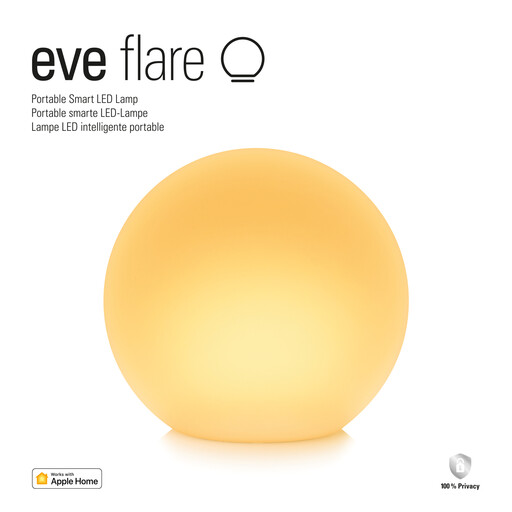 Image unavailable
Consider this portable lamp if you want adjustable electric light in a tent, but check whether it can be positioned where you need it and whether its runtime suits your evening tasks.
The product name lists 90 lumens, an IP65 rating, Bluetooth and Thread. The water-resistance rating does not establish suitability for immersion.
Use a battery-powered electric lantern for inside-tent light. Mid and West Wales Fire and Rescue Service advises never using fuel-burning devices, including fuel-burning lanterns, inside a tent.
Follow its manufacturer's instructions and use the supplied or approved charging equipment. Greater Manchester Fire and Rescue Service warns that the wrong charger can overheat a battery and start a fire; keep charging equipment away from bedding and other flammable materials.
Compare runtimes at the brightness you expect to use, not just the longest quoted figure. BioLite, for example, quotes five hours on high and up to 200 hours on low for the AlpenGlow 500.
Check the product's applicable documentation and safety information rather than treating a listing claim as proof of compliance. GOV.UK explains that UKCA and CE markings indicate the manufacturer believes a product meets the relevant requirements for its applicable regime; the marking alone does not identify every rule applicable to a particular lantern.