
24/7 Customer Support

Free returns

Same-day & Next-day Delivery

Quality Guaranteed

Unlock Your Welcome Offers: FREE Delivery | Up to 80% OFF | Free 30-day JoyPlus trial
Download the APP
Navigating the world of home lighting can be surprisingly complex. You're looking for a simple fix—a light for a dark hallway, a gloomy cupboard or the top of the stairs—but you're met with a dizzying array of options. A rechargeable motion sensor light seems like the perfect, wire-free solution. Yet, many find their purchase leads to frustration, not convenience.
As a Joybuy Product Recommendation Officer, my role is to help you sidestep common issues. Before you buy, be aware of the three most frequent pitfalls that cause disappointment:
stick on light for cupboards is only useful if it stays stuck. Many use low-grade adhesive that fails within months, especially in areas with fluctuating temperature and humidity like kitchens, leaving you with a fallen light and a damaged surface.To ensure your new light is a helpful addition to your home rather than a hassle, focus on these core parameters.
The heart of any motion activated night light is its sensor. Most use a PIR (Passive Infrared) sensor, which detects body heat. For it to be effective, you must check two specifications:
hallway night light or on stairways.A light with poor sensor specifications will fail at its primary job, regardless of how bright it is or how long the battery lasts.
Wireless LED lights offer great flexibility, but the power source impacts convenience and long-term cost.
battery powered stair lights in areas where you prefer a quick swap-and-go approach.The type of light emitted is just as important as its activation. Light colour, or colour temperature, is measured in Kelvin (K).
hallway night light.wardrobe sensor light or for under cabinet lights where you need to see colours accurately.Instead of a one-size-fits-all approach, we've matched some practical options to specific household needs.
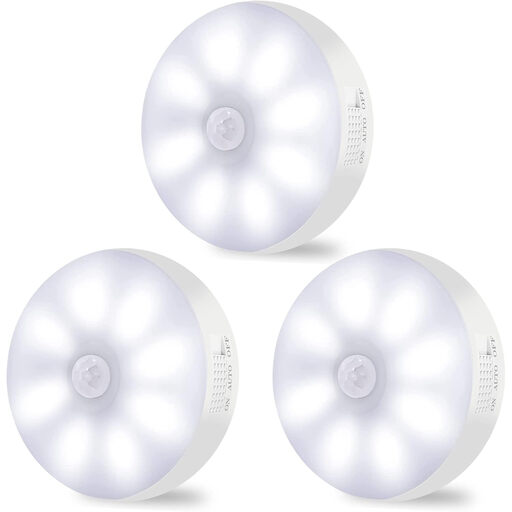
Why This Fits Their Persona: This multi-pack is ideal for UK families wanting to illuminate several key safety areas—like a landing, staircase and child's bedroom—in one go. The focus is on reliable, automatic lighting for preventing trips and falls during the night.
Being USB rechargeable, it directly counters the pitfall of constantly buying and replacing batteries. The simple Auto/On/Off switch avoids overly complex settings that lead to sensor unreliability.
Excellent value with three units included. Simple, set-and-forget operation is perfect for busy households.

Why This Fits Their Persona: For those looking to brighten up dark kitchen cabinets, wardrobes or pantries without wiring. The ultra-slim profile allows it to be hidden away, providing seamless illumination for functional spaces.
This model uses adhesive tape mounting designed for smooth surfaces, avoiding the need for drilling. The 800mAh rechargeable battery provides a good balance of size and power for intermittent use in cupboards.
Features three selectable colour temperatures (warm, natural and cool white) to match your room's existing lighting. The ultra-thin (10mm) design is discreet.
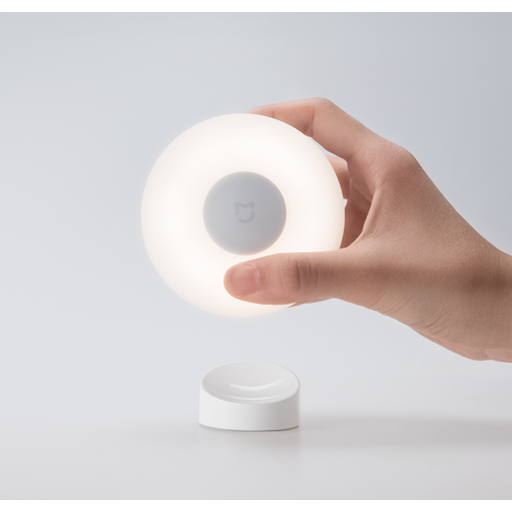
Why This Fits Their Persona: This is for the user who wants more than just a simple light. With Bluetooth connectivity, it integrates into a smart home setup, allowing for customisation of brightness and timers via the Mi Home app.
It solves the "unreliable sensor" problem by giving you control. You can adjust the auto-off duration (15-60 seconds) and brightness levels in the app, tailoring its performance to your exact needs and optimising battery life.
Smart app control for full customisation. The magnetic, 360° rotatable design offers unmatched flexibility in directing the light exactly where you need it.
We have compiled a complete, real-time list of products that fully satisfy these strict selection criteria and UK safety regulations.
This varies significantly based on usage. A light in a high-traffic hallway might last 2-4 weeks, whereas a wardrobe sensor light that activates only once or twice a day could last for several months. Check the battery capacity (mAh) and look for models with an efficient "auto" mode that minimises standby power drain.
It's generally not recommended unless the product is specifically rated for damp environments (look for an IP rating like IP44 or higher). Steam and humidity can weaken the adhesive and potentially damage the electronics. For bathrooms, a screw-mounted or purpose-built fixture is a safer choice.
While battery-powered lights often have a lower initial purchase price, a USB rechargeable light is almost always cheaper in the long run. The cost of repeatedly buying disposable batteries will quickly surpass the initial cost difference, and rechargeable models are a more environmentally friendly option.