
24/7 Customer Support

Free returns

Same-day & Next-day Delivery

Quality Guaranteed

Unlock Your Welcome Offers: FREE Delivery | Up to 80% OFF | Free 30-day JoyPlus trial
Download the APP
Fumbling for a light switch in a dark hallway or rummaging through a shadowy wardrobe is a daily frustration for many. A rechargeable motion sensor light seems like a simple, modern solution. However, the market is flooded with options and it's easy to end up with a product that disappoints.
As a Product Recommendation Officer at Joybuy, I see firsthand where shoppers go wrong. Before you buy, be aware of these common pitfalls that lead to wasted money and inconvenience.
battery powered led lights rely on disposable AAA batteries. These can drain surprisingly quickly, especially in high-traffic areas, leading to the recurring cost and hassle of replacements. A rechargeable model is often more economical and convenient in the long run.stick on lights is appealing, but many use low-grade adhesive that fails within weeks. This is particularly true in kitchens where steam and temperature changes are common, or on textured wardrobe surfaces. The light falling off is not just an annoyance; it can be a hazard.motion activated light can be more frustrating than no light at all. Some are overly sensitive, activating with the slightest movement and draining the battery, while others have a delayed or narrow detection range, failing to light up when you need them most.To find a reliable wireless led light that will serve you well, focus on these core features instead of marketing hype.
The choice between a rechargeable unit and one that uses disposable batteries is crucial.
How a light attaches to a surface determines its versatility and longevity.
Not all light is created equal. The right kind of illumination can make a space feel comfortable and functional.
stair lights and as a sensor night light in bedrooms. A neutral or cool white light (4000K and above) is brighter and more clinical, which is better for task-orientated areas like kitchen under cabinet lights where you need to see colours accurately.wardrobe light or drawer, 30-50 lumens is often sufficient. For under-cabinet kitchen lighting or a large wardrobe, look for options providing 100 lumens or more for clear visibility.Based on these practical criteria, here are some motion sensor lights suited for different UK homes and needs.
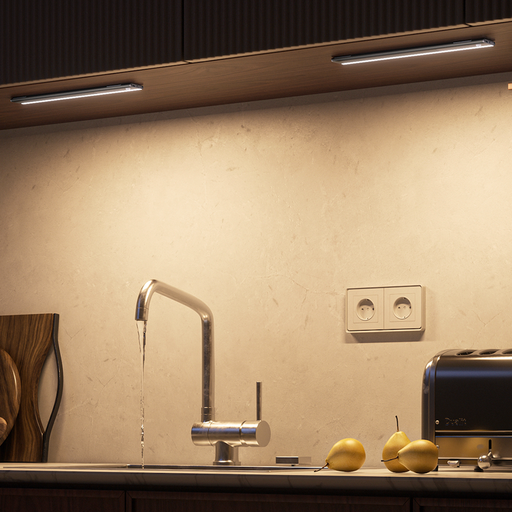
Why This Fits Their Persona: Perfect for those who need a versatile, damage-free solution. The 30cm length is ideal for standard UK kitchen cabinets and wardrobes and the two-pack offers great value for money for tackling multiple dark spots at once.
It uses a magnetic mounting system, avoiding the unreliable 'stick-on' problem. Being USB rechargeable, it completely sidesteps the hidden costs of disposable batteries.
The slim profile and warm illumination blend seamlessly into most home decors. The magnetic base makes recharging effortless.
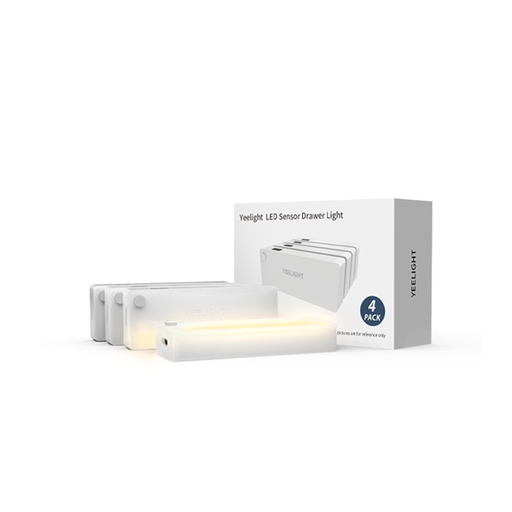
Why This Fits Their Persona: For those who want to illuminate every nook and cranny. This multi-pack of compact lights is specifically designed for small, enclosed spaces like kitchen drawers, deep cupboards or jewellery boxes.
Its sensor is tuned for the short-range, immediate detection needed when opening a drawer, avoiding the "unreliable sensor" issue of larger lights used in small spaces.
The ultra-compact, rechargeable design is purpose-built for organisational tasks. The 4-pack allows for a consistent lighting setup across an entire kitchen or bedroom furniture set.
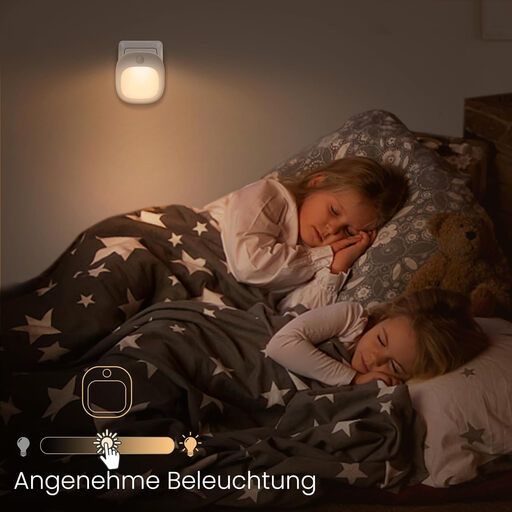
Why This Fits Their Persona: For those who want complete control over their home's ambiance. This light is perfect for nurseries, hallways or landings where you might want a soft, warm glow at night but a brighter, clearer light at other times.
It solves the problem of one-size-fits-all lighting. Instead of being stuck with one colour temperature, you can choose from warm, cool or mixed white light to suit the room and time of day.
Features 3 colour temperatures and 5-step dimming for ultimate control. The compact, rechargeable design makes it a highly versatile night light.
We have compiled a complete, real-time list of products that fully satisfy these strict selection criteria and UK safety regulations.
1. How long do rechargeable motion sensor lights last on a single charge? This varies depending on the battery capacity and how often the light is activated. For a typical wardrobe light or under-cabinet unit, you can expect anywhere from a few weeks to 2-3 months of use in 'Auto' (motion-sensing) mode. Models with larger batteries or those used in low-traffic areas will last longer. Most product descriptions provide an estimated runtime.
2. Can I install a motion sensor light in a bathroom? It is possible, but you should be cautious. Bathrooms are high-humidity environments, which can interfere with adhesives and electronics over time. Look for lights with a stated IP (Ingress Protection) rating if you plan to use them near a shower or bath. For general bathroom use away from direct water, a standard indoor model should be fine, but a magnetic mount is recommended for easy removal and cleaning.
3. Do motion sensor lights use a lot of electricity? No, they are highly energy-efficient. LED technology itself consumes very little power. Because the light is only on for short periods when motion is detected (typically 15-30 seconds), the overall energy consumption is minimal. A rechargeable motion sensor light will have a negligible impact on your electricity bill.