For short walks between a tent and campsite facilities, start with a compact rechargeable hand torch with a controllable lower setting and a stated runtime at that setting, rather than choosing by maximum brightness alone. A head torch makes more sense when you need both hands free; a larger, rugged hand torch is easier to justify if you will also use it for other tasks and accept the extra weight.
Who needs which kind of light?
Campers making short night-time walks
If you mainly walk between your tent and the toilets, showers or washing-up area, an easy-to-carry light with a usable low setting may matter more than peak output. Ledlenser lists a 25-lumen setting with a stated 20-hour runtime for its P5R; that figure applies to that model and setting.
Walkers who need both hands free
Carrying toiletries, keys or children’s items can make a head torch more practical than a handheld one. Petzl’s ACTIK CORE provides a wearable example with an adjustable tilt plate and red lighting that Petzl says helps avoid dazzling people nearby.
Wet-weather or multi-purpose campers
If the light will also be used beyond short campsite walks, check the exact model’s ingress-protection rating, size and weight. A larger torch may meet broader carrying or durability needs, but it can be less convenient for a quick trip to the facilities.
What matters when choosing?
Choose the format around what you need to carry and where you need to aim the light. Then compare output settings, runtime and charging on the exact model.
Compact hand torch
Choose it when: You want to carry and aim a light yourself on short trips to shared facilities.
Trade-off: It occupies a hand, and a high-output boost should not be mistaken for the setting you can use throughout a walk.
Rechargeable head torch
Choose it when: Carrying items or handling keys makes hands-free light more useful than a hand-aimed beam.
Trade-off: The beam moves with your head unless you adjust its angle or switch the light off.
Rugged, high-output hand torch
Choose it when: You also want a light for wider outdoor or other demanding tasks, not just the path to the facilities.
Trade-off: Larger models can add carrying weight and charging demands; NightSearcher lists its Magnum 3000 at 440 g with a six-hour AC-mains recharge time.
| Concern | What to check | Who this matters to |
|---|
| Controlled path lighting |
Compare the beam and stated runtime at a lower setting you would actually use, not just maximum output. |
I want to see the nearby path without relying on a bright boost for every trip; around 40% of consumers put controllable walking light first. |
| Hands-free, considerate use |
Check the head torch’s tilt adjustment and whether the exact model offers a red-light mode. |
With a wash bag or keys in my hands, a wearable light matters more to me than hand-aiming a torch; roughly 30% of consumers prioritise hands-free, considerate use. |
| Charging resilience |
Check the charging connection, included accessories and runtime by mode; confirm any backup-cell compatibility for the exact model. |
On a multi-night stay, I need a way to keep the light usable between charges; around 20% of consumers make charging resilience their primary concern. |
| Wet-weather, wider use |
Check the exact model’s IP rating and weight, alongside any stated conditions for its protection. |
I will use the torch in rain or for tasks beyond the campsite, and I am willing to carry more for that purpose; about 10% of consumers put rugged, multi-purpose use first. |
Common buying mistakes
-
Choosing by maximum lumens alone
Peak output may be a temporary boost, while the much longer stated runtime applies to a lower setting. The two figures do not describe the same use.
Compare the manufacturer’s output and runtime for each mode, then focus on the setting you expect to use on the path.
-
Assuming all water-resistant torches offer the same protection
Ingress-protection ratings belong to individual models. A rating on one torch does not establish the protection of another model from the same brand.
Check the exact model’s IP rating and any conditions attached to it before relying on the light in wet weather.
-
Buying a rechargeable light without a charging plan
Charging connections, supplied accessories and recharge times vary. Ledlenser states that a USB-C cable is not included with its P5R, while NightSearcher lists a six-hour AC-mains recharge time for the Magnum 3000.
Check what comes in the box, how the light charges and whether its exact model accepts backup cells before a trip.
Depending on the model, you may need to bring your own compatible cable, spare cells or access to mains power.
-
Putting a spent battery or torch in household rubbish
GOV.UK advises that batteries and electrical products should not be put in household rubbish.
Use an appropriate battery collection point for removable batteries and an electrical-waste collection route for a torch with a battery that cannot be removed.
Relevant brands to consider
Ledlenser
The P5R is a compact handheld example for buyers comparing low-mode endurance, beam adjustment and a backup power option.
- Ledlenser lists the P5R at 99 g, with USB-C charging, IP68 protection and a stated 20 hours at 25 lumens. It also specifies compatible AA alkaline or NiMH cells as an alternative power source.
- Its 750-lumen figure is a boost setting, not the setting associated with the 20-hour runtime. Ledlenser says a USB-C cable is not included.
Petzl
The ACTIK CORE is a head-worn option when carrying items makes hands-free light more important than a handheld beam.
- Petzl lists wide and mixed beams, tilt adjustment, red lighting and the option to use three AAA/LR03 batteries instead of the rechargeable CORE battery.
- Its head-worn format does not suit someone who specifically wants to aim a pocket torch by hand.
NightSearcher
The Magnum 3000 illustrates a larger rechargeable hand torch for use that extends beyond routine trips around a campsite.
- NightSearcher lists IP67 protection, five lighting modes and a stated maximum runtime of 25 hours for this model.
- At a listed 440 g, with a six-hour AC-mains recharge time, the Magnum 3000 asks more of someone who only needs a light for a short walk.
Joybuy products for these routes
These choices include handheld lights in different sizes and a head torch for hands-free walking. Check each product’s settings, runtime and wet-weather suitability against the route you take to the facilities.
 No image available
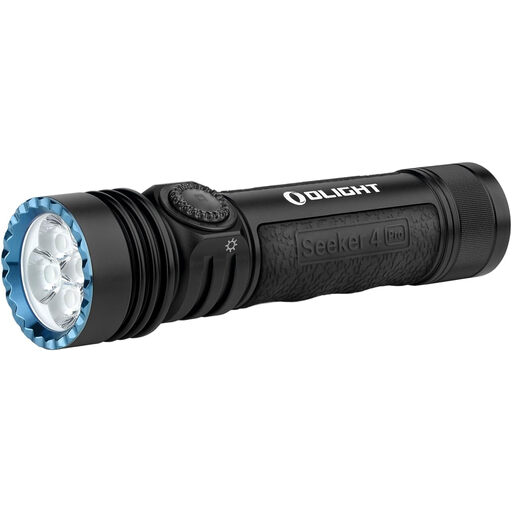
Olight Seeker 4 Pro High Power Flashlight
A handheld option to consider if the same light will serve purposes beyond short campsite walks. Check its runtime at your intended brightness and whether its carrying weight suits repeated trips to the facilities.
View on Joybuy
 No image available
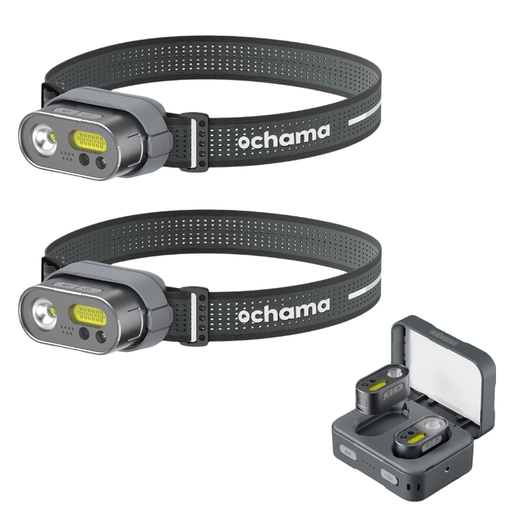
ochama MH1 Head Torch Set, 2 Headlamps
The head-worn format suits walks when you need your hands for other items. The set title lists two headlamps, one base, one strap, a Type-C charging cable and a charging box, plus dimming and a gesture sensor. Check runtime and wet-weather suitability for your intended use.
View on Joybuy
 No image available
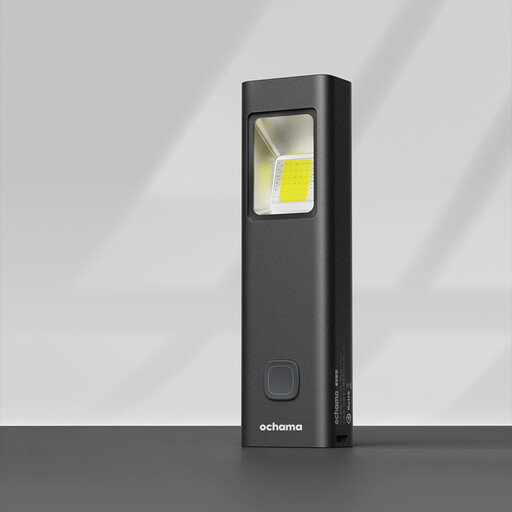
Ochama FL1 Multi-Function Flashlight, 7 Modes
A handheld choice if you want selectable lighting modes and carrying accessories. Its title lists seven modes, a Type-C charging cable, lanyard, clip and bicycle strap. Compare runtime at the mode you would use and check the exact model’s wet-weather suitability.
View on Joybuy
 No image available
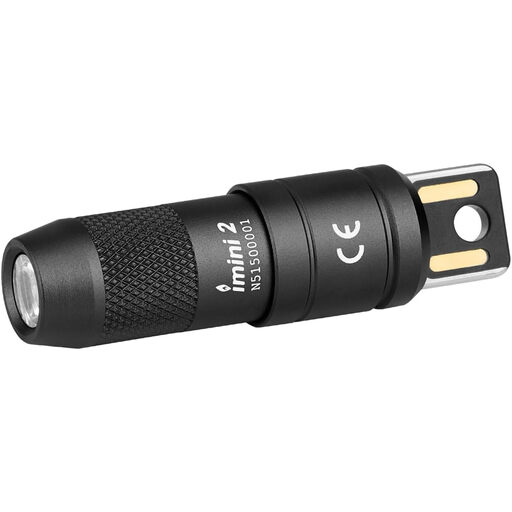
Olight Imini 2 Rechargeable Mini Flashlight
A mini handheld format for consumers who put easy carrying first. Before choosing it for your campsite path, check that its beam, output settings and runtime meet your needs; keep the charging-port cover secured when relying on its stated wet-weather protection.
View on Joybuy
Frequently asked questions
Do I need the highest lumen rating for a campsite walk?
No: choose by the light and runtime available at the setting you expect to use. Ledlenser, for example, lists a 750-lumen boost for its P5R but a stated 20-hour runtime at its separate 25-lumen low setting.
When should I choose a head torch instead of a handheld torch?
Choose a head torch when keeping both hands available matters more than aiming the beam by hand. If lighting near other campers is a concern, check for a suitable lower or red-light setting; Petzl says the red lighting on its ACTIK CORE is intended to avoid blinding people nearby.
Does a rechargeable torch come with a charging cable?
Not always, so check the exact product’s in-box accessories and charging connection. Ledlenser states that its USB-C rechargeable P5R does not include a USB-C cable.
How should I dispose of a rechargeable torch or battery in the UK?
Use an appropriate battery or electrical-waste collection route rather than household rubbish. GOV.UK advises separate recycling for batteries and electrical products; if the torch’s battery cannot be removed, take the torch through an electrical-waste route.


