For finding and reading a nearby household fuse box during a power cut, choose a rechargeable torch with a controllable lower light setting and a switch you can use in the dark; maximum brightness and long-distance throw matter less for this close-range job. A compact torch can suit a quick visit to the consumer unit, while longer outages make low-setting runtime, charge indication or manufacturer-confirmed backup-cell support more important. Keep the torch charged and somewhere you can find it before the lights go out.
Who needs this torch?
Home emergency-kit planners
If you want a torch ready before an outage and may need light beyond a quick inspection, give it a designated storage place and check its charge periodically. The UK government's Prepare guidance recommends keeping a battery or wind-up torch at home and notes that torches are safer than candles.
Householders locating a consumer unit quickly
If the immediate task is finding the fuse box and reading its labels, prioritise light you can control at close range rather than a distant beam. Electrical Safety First describes the consumer unit as the box housing a property's fuses or circuit-breakers.
People preparing for a longer outage
If mains charging may be unavailable when you need the torch again, compare runtime at a usable lower setting and look for a charge indicator or an explicitly supported alternative battery. Check the exact battery types a model accepts before planning around a spare.
What matters when choosing?
Start with the light and controls needed to reach and read the consumer unit, then decide how the torch will stay ready if the outage lasts. The percentages below express how consumers might prioritise these distinct needs, not how bright or capable a torch is.
| Concern | What to check | Who this matters to |
|---|
| Nearby light and controls |
Look for a lower light setting and a switch you can operate easily in the dark. Consider whether the beam lets you read nearby labels without uncomfortable glare. |
If I need to get to the consumer unit quickly, I want to see its switches and labels without struggling with the controls. Around 31% of consumers might put immediate indoor visibility and handling first. |
| Runtime and readiness |
Compare stated runtime at the lower setting you would use, and check whether the torch shows its remaining charge. |
When the power may stay off, I need a torch that was charged beforehand and can provide light beyond one brief inspection. For around 25% of consumers, outage runtime and readiness would be the primary concern. |
| Charging safety |
Check the specified charging method and which cable or charger is supplied; use a genuine compatible replacement if one is needed. |
I want to understand how to charge and store the torch safely, particularly if it uses a removable cell. Charging safety might come first for around 25% of consumers. |
| Storage and backup power |
Choose a place where the torch will be easy to find. If spare-cell use matters, confirm the exact battery sizes and chemistries the manufacturer supports. |
I need a torch I can keep within reach, or one with an approved alternative cell if charging is unavailable. Around 19% of consumers might make storage or backup flexibility their main priority. |
Mistakes to avoid
-
Choosing by maximum lumens alone
A high-output or long-throw torch is not necessarily easier to use on a nearby consumer unit; bright light can cause glare on labels, while maximum output may have a shorter stated runtime than lower settings.
Compare the lower settings, their stated runtimes, the switch and the beam before treating peak output as the deciding feature.
-
Assuming rechargeable means ready to use
A stored torch may have little charge when an outage begins, and mains charging may then be unavailable.
Give it a fixed storage place, check its charge periodically and, if longer outages concern you, verify the stated low-setting runtime or the exact backup cells its manufacturer permits.
-
Using an unsuitable replacement charger
Charging equipment matters as well as the torch. The UK Office for Product Safety and Standards reported serious electric-shock and fire risks in a particular LED-torch 18650 charger with construction and plug-related faults; that finding should not be applied to every charger.
Use the supplied charging equipment or a genuine compatible replacement from a trusted supplier, as advised by London Fire Brigade. Stop using equipment that is damaged or becomes unusually hot.
-
Treating better visibility as a fix for repeated trips
A torch helps you locate and see the consumer unit; it cannot establish why a circuit keeps disconnecting.
If a circuit or residual-current device repeatedly trips, stop using any suspect appliance and seek advice from a registered electrician rather than repeatedly resetting it. Electrical Safety First says electrical inspection and testing should be carried out by electrically competent people.
Brands to consider
These brand examples illustrate different torch designs and stated features. Check the particular model and package rather than assuming every torch from a brand has the same battery or accessories.
Ledlenser
The P5R is worth considering if you want a rechargeable torch with a manufacturer-specified alternative cell option for an emergency kit.
- Ledlenser lists a 25-lumen setting lasting 20 hours, direct USB-C charging and support for AA alkaline or NiMH cells as alternatives on the P5R.
- Its stated 750-lumen boost is a short burst, and Ledlenser says a USB-C cable is not included. Confirm that the torch and its supported cells suit where you plan to store it.
Fenix
The E03R v2.0 offers a keyring-style option for keeping a small light in a known place.
- Fenixlight UK lists a 5-lumen eco setting with 30 hours of runtime, a battery-status indicator and a USB-C cable.
- Its built-in battery is not user-replaceable, so it does not provide a swap-in-cell option during an outage.
Olight
The Baton 4 is a compact carry option for someone who also wants to use the torch outside the emergency kit.
- Olight lists a battery-level indicator and a moonlight setting on the Baton 4.
- A charging case is associated with a particular edition; do not assume it comes with the standard torch. A case also needs to be kept charged if you plan to rely on it.
NITEYE
The M37 Pro is a high-output option to examine if your lighting tasks extend beyond a nearby indoor fuse box.
- A Joybuy UK listing states USB-C charging and a 465-metre beam claim for the M37 Pro.
- A long-distance beam is not the main requirement for reading close-up labels. Check its lower settings and included charging accessories against your indoor use.
Rechargeable torches on Joybuy
These two rechargeable lights relate to keeping a torch accessible for a household power cut. Compare their controls and charging arrangements with the close-range and longer-outage needs above before choosing.
 No image available
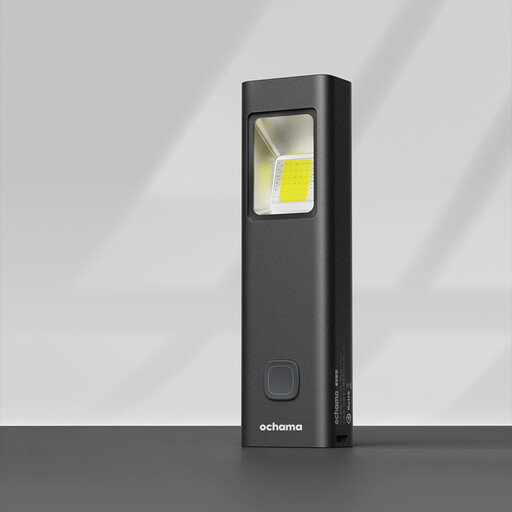
Ochama FL1 rechargeable flashlight, 7 lighting modes
Consider this for keeping a rechargeable light with several lighting modes in a household outage kit. Its product title lists a Type-C charging cable, lanyard, clip and bicycle strap; check the lower-setting runtime and how the beam lights nearby labels if those determine your choice.
View on Joybuy
 No image available
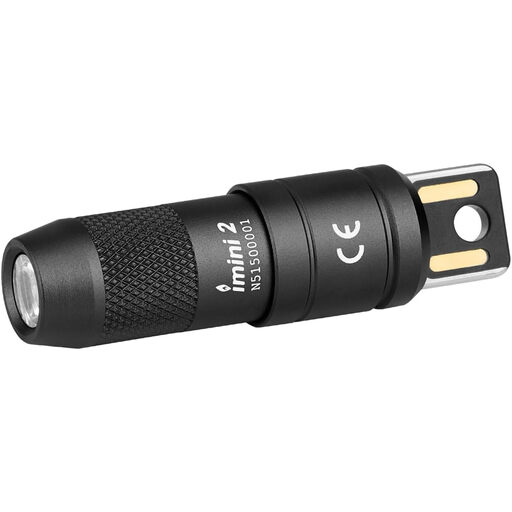
Olight Imini 2 rechargeable mini flashlight
Consider this mini torch if keeping a light close at hand is your priority. Before relying on it through a longer outage, check its available light settings, runtime and charging arrangement against the time you may need it.
View on Joybuy
Common questions
How bright should a torch be for finding a fuse box?
For a nearby consumer unit, prioritise a controllable lower setting and light that lets you read the labels rather than choosing by maximum lumens. If the torch must also cover outdoor distances, assess that separate task alongside its indoor settings and runtime.
Should I keep a separate torch if my phone has a light?
A separate, findable torch lets you light the way without depending on your phone for this job. The UK government's Prepare guidance recommends keeping a battery or wind-up torch at home and says torches are safer than candles; check a rechargeable model's charge as part of your preparations.
Can I keep resetting a circuit that trips during a power cut?
Do not keep resetting a circuit or residual-current device that repeatedly trips. The torch helps you see the consumer unit, not diagnose an electrical fault; stop using a suspect appliance and contact a registered electrician if the problem continues.
What should I check before charging a rechargeable torch?
Use the charging equipment specified for the torch, or a genuine compatible replacement from a trusted supplier, and check that the cable or charger you need is included. London Fire Brigade advises using supplied or genuine replacement chargers; a UK Office for Product Safety and Standards report concerning a particular LED-torch charger illustrates why an unsuitable replacement should not be treated as a harmless accessory.


