Hands-free shed organisers
If you move boxes or sort tools while searching, a lower working mode and somewhere stable to place the torch may matter more than maximum beam distance. Fenixlight UK lists magnetic tails on its E35R and C7 V2.0 models.


For finding equipment in a shed, favour a useful low or medium mode and convenient charging over the highest advertised brightness. A magnetic tail is worth considering if you have a suitable steel surface and need both hands; adjustable focus and longer low-mode runtime matter more if the torch will also serve outdoor checks. According to Fenixlight UK, high-output modes on the E35R and C7 V2.0 can reduce output as the torches heat up.
If you move boxes or sort tools while searching, a lower working mode and somewhere stable to place the torch may matter more than maximum beam distance. Fenixlight UK lists magnetic tails on its E35R and C7 V2.0 models.
For brief visits to a shed, loft or cupboard, look for straightforward charging and a mode that lets you identify stored items without relying on maximum output.
If the same torch must cover shed searches and outdoor checks, beam adjustment, resistance ratings and low-mode runtime become relevant checks. Ledlenser lists adjustable focus and a low-power runtime for the P7R.
Start with how you will use or position the light in the shed, then compare the working modes and charging arrangements you would actually rely on.
| Concern | What to check | Who this matters to |
|---|---|---|
| Hands-free close-up light | Check for a magnetic tail or another stable mounting method, plus a mode and beam suited to nearby shelves. | When moving boxes and reading labels, I want to position the light without occupying a hand; around 33% of consumers put hands-free use first. |
| Dependable general searching | Compare runtime at the low or medium mode you expect to use, and check how the torch charges. | If I need the torch for an unexpected search, usable light throughout the job matters more than a brief bright burst; roughly 42% of consumers prioritise dependable general searching. |
| Short, occasional visits | Check for a usable close-range mode and whether the charging cable is included. | For a quick look at a stored spade or drill case, I would choose a straightforward torch over specialised features I seldom use; about 25% of consumers put occasional-use simplicity first. |
Maximum output may not last for a whole search. Fenixlight UK states that high-output modes on the E35R and C7 V2.0 are temperature-regulated or reduce output when hot.
Compare runtime and beam distance at the lower setting you expect to use regularly; treat turbo as a setting for brief checks.
A magnetic tail needs a suitable ferrous surface. Wood, plastic and aluminium shelving will not provide magnetic attachment.
If you need both hands to sort equipment, check the exact model for a suitable mounting method and consider where it could sit securely in your shed.
Mid and West Wales Fire and Rescue Service advises charging lithium batteries in a safe, visible location away from flammable materials and escape routes.
Use the correct charger, follow the torch maker’s instructions and avoid leaving it charging unattended. Stop using a battery that is damaged, swollen or overheating.
GOV.UK advises that batteries and electrical products should not go into household rubbish when they are no longer wanted or working.
Take a removable battery or failed torch to an appropriate battery or electrical-waste collection point, and follow the collection point’s instructions for lithium batteries.
The E35R and C7 V2.0 are worth comparing if magnetic placement would help with shed or workshop tasks.
The P7R may suit someone using one handheld torch for both shed searches and outdoor checks.
The Baton models are relevant if you prefer a compact rechargeable torch with a battery-level indication and lockout controls.
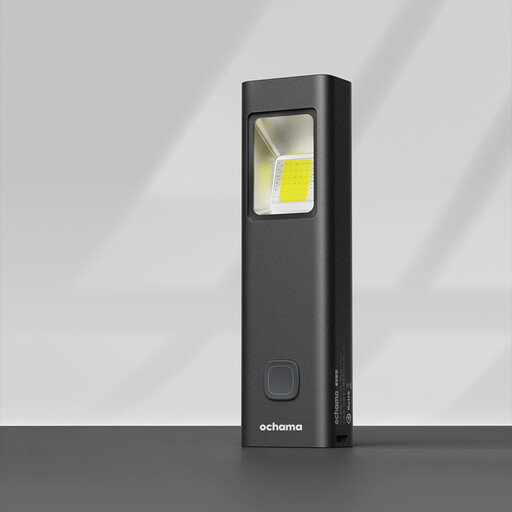
This rechargeable handheld torch is a choice for carrying between brief shed searches and other household tasks. Check its working beam and runtime against your shed before relying on it for longer searches.
 No image available
For shed searches where you carry the light between stored items, check which of its seven lighting modes suits close-range work.
The listed bundle includes a Type-C charging cable, lanyard, clip and bicycle strap. If you need both hands free, check for a stable placement method rather than assuming the clip will attach to shelving.
Choose by the light you can use at working distance, not maximum lumens alone. For boxes, shelves and tool benches, compare the beam and runtime at low or medium settings; Fenixlight UK notes that the E35R’s high output is temperature-regulated.
A magnetic tail can free a hand if there is a suitable steel shelf, cabinet or tool chest in a stable position. It will not attach to wood, plastic or aluminium, so check the surfaces where you would actually place the torch.
Do not rely on unattended overnight charging in a cluttered shed. Mid and West Wales Fire and Rescue Service advises charging batteries in a safe, visible place away from flammable materials; also follow the instructions for your particular torch and charger.
Take it to an appropriate battery or electrical-waste collection point rather than putting it in household rubbish, as advised by GOV.UK. If the battery cannot be removed, handle the torch as electrical waste and follow the collection point’s instructions.