
24/7 Customer Support

Free returns

Same-day & Next-day Delivery

Quality Guaranteed

Unlock Your Welcome Offers: FREE Delivery | Up to 80% OFF | Free 30-day JoyPlus trial
Download the APP
A washing up bowl might seem like a simple purchase, but choosing the wrong one can lead to daily frustration. From flimsy plastic that warps under hot water to awkward designs that are a pain to lift, a poorly chosen bowl is more trouble than it's worth. Many of us have been caught out by marketing that promises durability, only to find our new kitchen sink bowl cracked or stained within months.
As the Joybuy Product Recommendation Officer, my role is to help you navigate these common issues. Before you buy, be aware of these three frequent pitfalls that lead to wasted money and a cluttered kitchen:
By focusing on a few key parameters, you can easily find a durable washing bowl that genuinely makes your kitchen routine easier.
To avoid the common pitfalls, focus on these non-negotiable features. They are the difference between a short-lived bargain and a long-term kitchen staple.
The material is the most critical factor. Most products are a type of plastic washing up bowl, but the quality varies significantly. Look for bowls described as being made from durable, robust plastic. A key indicator of quality is heat resistance. A bowl that can withstand temperatures up to 100°C will not warp or degrade when you fill it from a hot tap or empty a pan of hot water into it. Another useful feature is a scratch-resistant finish, which helps the bowl maintain its appearance after encounters with cutlery and pans, making it easier to keep clean.
Don't just guess the size. A standard 10-litre washing up bowl (or a similar 9.5-litre capacity) is generally a good starting point for most households, offering enough space for daily dishes without being excessively large. However, the most important step is to measure the internal dimensions of your kitchen sink. A rectangular washing up bowl is designed to maximise space, but it must sit flat to be stable. Check the product's length and width to ensure it will fit comfortably inside your sink basin, leaving you room to work.
Practical features can transform a simple basin into a highly functional tool. A washing up bowl with handles is a significant upgrade. Look for models with raised, sturdy handles that are easy to grip, even with wet hands. This makes lifting and emptying the bowl far safer and easier.
Some modern designs also include an integrated plug and strainer. This feature allows you to drain the water without lifting the heavy bowl, while also catching food scraps to help prevent sink blockages. Ultimately, a well-designed bowl also serves as a sink protector bowl, preventing scratches, chips and stains on your stainless steel or ceramic sink surface.
Based on these practical criteria, we've matched several products to different UK household needs.
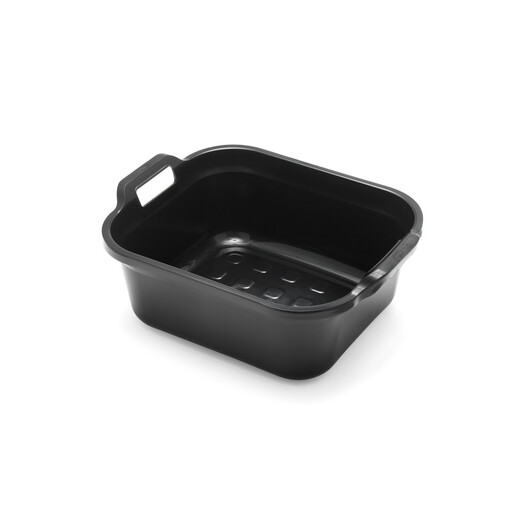
Why This Fits Their Persona: This is a straightforward, no-fuss workhorse for busy family kitchens. Its large capacity handles everything from dinner plates to pots and pans, and the simple, robust design is built for daily use.
The sturdy plastic construction resists warping, while the prominent raised side handles directly solve the 'awkward lift' problem, ensuring you can carry a full bowl securely.
A generous 10-litre capacity is ideal for larger households, and the BPA-free plastic provides peace of mind for washing food-contact items.
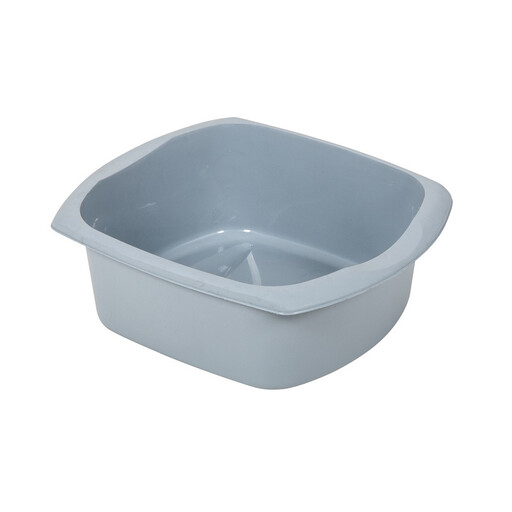
Why This Fits Their Persona: For those aiming to make more sustainable choices at home, this bowl offers a practical way to do so without compromising on quality. It's a durable, UK-made product with strong eco-credentials.
This bowl proves that recycled doesn't mean flimsy. It is specifically designed to be scratch-resistant and heat-resistant up to 100°C, directly countering the warping and durability pitfalls.
Its main benefit is being made from 100% recycled household plastic. The high-gloss finish also makes it very easy to clean and maintain.
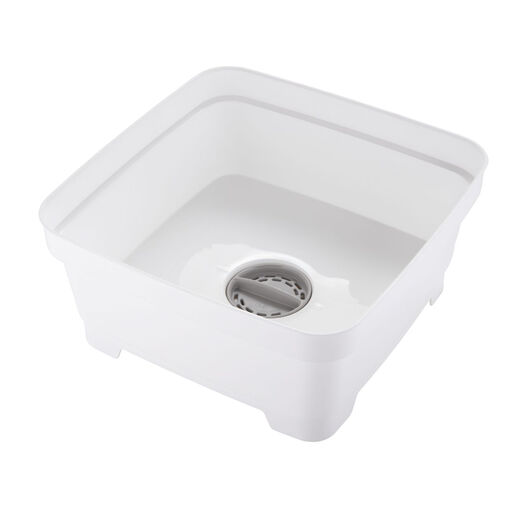
Why This Fits Their Persona: This bowl is for anyone who values smart design features that simplify chores. If you dislike lifting heavy, full bowls or want to keep your sink drain clear, this is an excellent choice.
It completely solves the 'awkward lift' problem with its integrated plug, removing the need to tip out heavy water. The durable ABS plastic construction also ensures it avoids the flimsy material trap.
The standout feature is the removable plug/strainer, which makes draining effortless and helps catch food debris before it clogs your sink.
We have compiled a complete, real-time list of products that fully satisfy these strict selection criteria and UK safety regulations.
The best method is prevention. Rinse the bowl immediately after use, especially after washing items with strong-coloured sauces like curry or tomato-based dishes. For existing stains, creating a paste from bicarbonate of soda and a small amount of water, applying it to the stain and letting it sit for an hour before scrubbing can often help lift it. Avoid harsh abrasive cleaners, which can scratch the surface and make future staining worse.
While a capacity of 9 to 10 litres is a common and practical size, the physical dimensions are more important. Before buying, take a moment to measure the inside of your sink. A rectangular bowl with a length of around 38-40 cm and a width of 30-32 cm will typically fit well in most standard British kitchen sinks, allowing it to sit flat and stable.
Yes, it can make a noticeable difference. Filling a 10-litre bowl uses significantly less water than filling an entire sink basin, which can hold 20 litres or more. For smaller loads of washing up, using a bowl is a simple and effective way to reduce your household's daily water consumption.