
24/7 Customer Support

Free returns

Same-day & Next-day Delivery

Quality Guaranteed

Unlock Your Welcome Offers: FREE Delivery | Up to 80% OFF | Free 30-day JoyPlus trial
Download the APP
Sweet, earthy and deeply comforting, red bean paste is a cornerstone of many beloved East Asian desserts. From chewy Japanese mochi to celebratory Chinese mooncakes, the appeal of these treats is growing across the UK. However, as more options appear online, it can be difficult to distinguish between a truly satisfying dessert and a disappointing imitation.
As a Joybuy Product Recommendation Officer, my role is to help you navigate the market. We've seen where shoppers often go wrong, so before you add anything to your basket, let's look at the common pitfalls to avoid.
To avoid these issues and find high-quality red bean desserts you'll genuinely enjoy, it pays to know what to look for.
Understanding a few key details on the product page can make all the difference between a delightful treat and a wasted purchase.
The filling, known as anko in Japan, is the star of the show. The quality of these anko sweets depends on the beans and their preparation. Look at the ingredients list for the percentage of red beans—a higher percentage often indicates a richer, more authentic flavour. The paste itself comes in two main styles:
Neither is inherently better; it's a matter of personal preference. Product descriptions will often specify the style, giving you a clue about the eating experience.
The casing that holds the red bean paste is just as important. Different desserts have distinct, traditional textures that you should look for.
Many of the most convenient red bean paste snacks available for home delivery in the UK are sold frozen to preserve their freshness and texture. It is crucial to follow the storage and preparation instructions carefully. Improperly thawing a red bean mochi, for example, can ruin its signature chewiness. Likewise, pancakes like hotteok require specific cooking methods—pan-frying, baking or air-frying—to achieve the intended crispy-on-the-outside, soft-on-the-inside result.
To help you choose, we've matched a few standout products to different tastes and occasions.
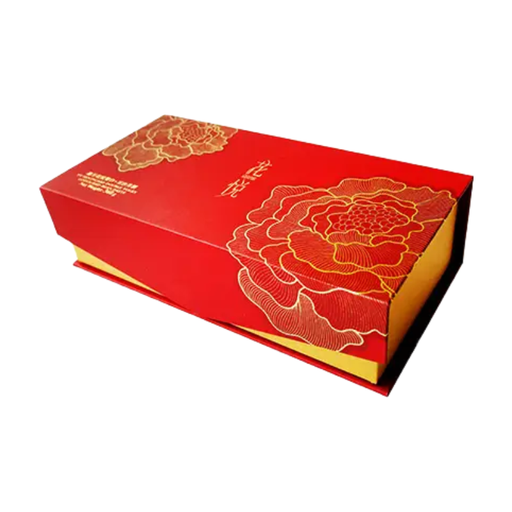
Why This Fits Their Persona: Perfect for anyone preparing for the Mid-Autumn Festival or looking for a classic gift. This box offers two iconic Cantonese flavours, allowing you to share a traditional experience with family and friends without committing to a single taste.
This mooncake specifies a 22.5% red bean content, ensuring a rich, dense filling rather than a mouthful of pastry. The dual-flavour pack also caters to varied preferences, avoiding the risk of buying a full box of a single flavour that someone might not enjoy.
Includes two classic Cantonese mooncake varieties in one elegant gift box. The red bean paste is described as smooth and rich, providing an authentic festive treat.
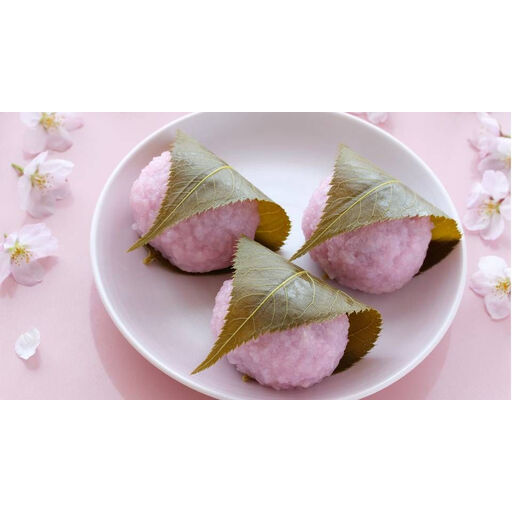
Why This Fits Their Persona: For those seeking a truly unique and authentic Japanese dessert experience beyond standard mochi. The combination of sweet red bean, grainy rice cake and a salt-pickled cherry leaf offers a complex flavour profile that is a hallmark of traditional wagashi.
This product directly counters the "texture letdown" by specifying its authentic Kansai-style texture, made with Domyojiko (coarse glutinous rice flour). This sets clear expectations for a grainy, supple rice cake, not a smooth one, ensuring you get the traditional experience.
Offers a rare sweet-and-salty flavour balance from the pickled cherry leaf. It is frozen for freshness; simply defrost at room temperature to enjoy.
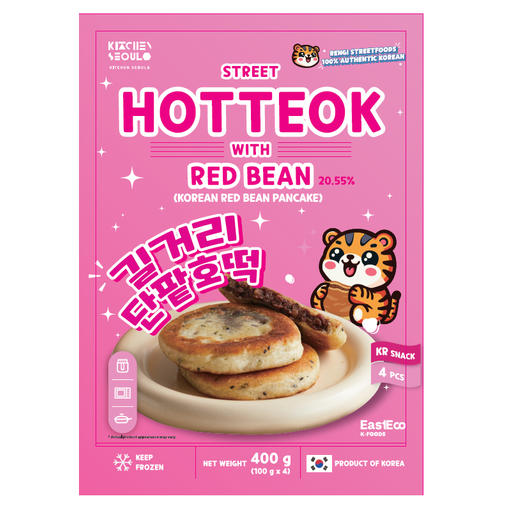
Why This Fits Their Persona: Ideal for someone in the UK craving a quick, warm and comforting snack. This frozen Korean red bean pancake brings the popular Seoul street food experience home. It's easy to prepare in minutes for a satisfying after-school or late-night treat.
The product description clearly states the expected texture: "crispy on the outside and gooey on the inside." By providing simple cooking instructions, it empowers you to achieve the correct texture and avoid the "soggy pancake" pitfall.
A classic Korean street food that is quick to pan-fry from frozen. The filling is a sweet red bean paste, and the dough contains glutinous rice flour for a pleasant chewiness.
We have compiled a complete, real-time list of products that fully satisfy these strict selection criteria and UK safety regulations.
While all three cuisines use sweet red bean paste, the application differs. Japanese desserts often focus on texture, like the soft, chewy red bean mochi. Chinese baking incorporates red bean paste into a huge variety of pastries, from flaky Suzhou-style cakes to dense, rich Chinese mooncakes. Korean treats often feature red bean paste in rice cakes (tteok) or as a filling in warm, comforting street food like fish-shaped bread (bungeoppang) and sweet pancakes (hotteok).
Always keep them in the freezer at or below -18°C until you are ready to eat them. Do not refreeze products once they have been defrosted, as this will damage their texture. For mochi, it's usually best to thaw at room temperature for a few hours. For pancakes like hotteok, you typically cook them directly from frozen according to the package instructions.
Yes, making simple red bean desserts at home can be very rewarding. For something like a Korean red bean pancake, the most important tool is a good pan. A quality non-stick crepe pan, such as the Redchef Starlight Series 26cm Pancake Crepe Pan, provides even heating and prevents sticking, which is essential for getting that perfect golden-brown, crispy finish without needing to use a lot of oil.