
24/7 Customer Support

Free returns

Same-day & Next-day Delivery

Quality Guaranteed

Unlock Your Welcome Offers: FREE Delivery | Up to 80% OFF | Free 30-day JoyPlus trial
Download the APP
The subtle, earthy sweetness of red bean paste is a cornerstone of East Asian confectionery. From the soft pancakes of Japan to the crispy pastries of Korea, these treats are gaining popularity across the UK. Yet, with so many options available, knowing where to start can be a challenge.
This guide is designed to help you navigate the world of red bean desserts. We will explore what makes them unique, offer some practical tips for choosing the right one for you and highlight a few standout options from our collection.
Before you add to your basket, consider a few points. Understanding these can help you select a dessert that perfectly matches your taste and occasion.
The heart of these desserts is the filling, known as anko in Japan. This sweet red bean paste comes in two main forms:
The product descriptions often give clues about the texture. A "smooth" filling indicates a koshian style, which is common in many pre-packaged Japanese sweets.
How you plan to enjoy your dessert matters.
Here are a few different types of red bean desserts that showcase the variety available.

Why It Stands Out: The dorayaki is a classic Japanese snack, consisting of two castella-style pancakes sandwiching a sweet filling. This version offers that authentic, comforting experience in a convenient, ready-to-eat format. The pancakes are soft and cake-like, providing a gentle contrast to the smooth anko filling.
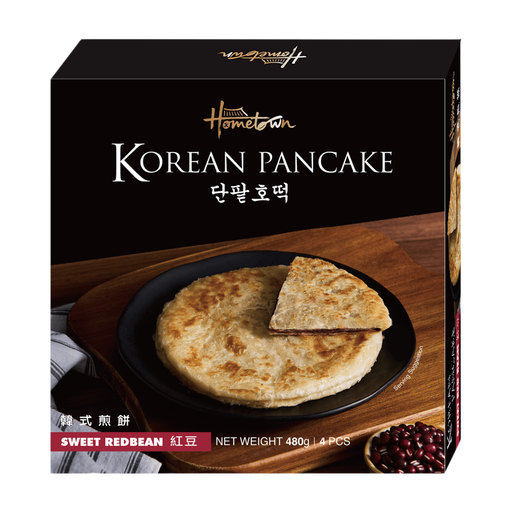
Why It Stands Out: This Korean pancake (Hotteok) offers a completely different experience. It is a frozen product designed to be cooked at home, delivering a warm, satisfying dessert. When pan-fried, oven-baked or air-fried, the exterior becomes golden and crisp, while the sweet red bean filling inside melts into a delicious, gooey centre.
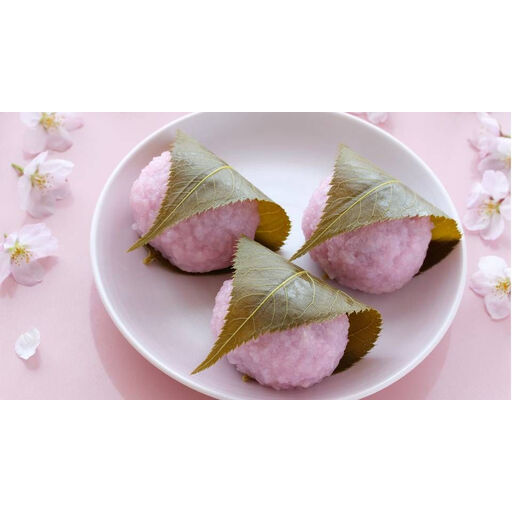
Why It Stands Out: As a traditional wagashi, sakura mochi is a true taste of Japanese seasonality. This Kansai-style version is made with coarse glutinous rice flour (Domyojiko), giving it a distinct, slightly grainy texture. The sweet red bean paste is encased in pink-coloured mochi and wrapped in a salt-pickled cherry leaf. The leaf is edible and imparts a unique salty and floral aroma that balances the sweetness.
The world of red bean-filled treats is vast and delicious. If our recommendations have sparked your curiosity and you wish to explore further, there are many other styles and flavours to discover.
From fluffy steamed buns to intricate pastries, browse our full range of desserts to find your next favourite.
[Explore our complete collection of red cakes and pastries here](https://www.joybuy.co.uk/explore/red-cake/kAaCVpDy)
1. What does red bean paste taste like? Red bean paste, or anko, has a unique flavour profile. It is sweet, but not in the same way as sugar or honey. It has a mild, earthy and slightly nutty taste that comes from the azuki beans themselves. The texture can range from completely smooth and velvety to slightly coarse, depending on the preparation style.
2. How should I store Japanese sweets like mochi and dorayaki? Storage instructions depend entirely on the product. Shelf-stable items like the AJI Dorayaki should be kept in a cool, dry place away from direct sunlight. Frozen products like the Kitakyu Sakura Mochi must be kept in the freezer at -18°C or below until you are ready to defrost and serve them. Always check the packaging for specific storage and consumption guidelines.
3. Are red bean desserts a healthy choice? Like any sweet treat, red bean desserts should be enjoyed as part of a balanced diet. The primary ingredients are typically azuki beans, rice flour and sugar. Looking at the nutritional information can help you make an informed choice. For example, the AJI Dorayaki contains 32g of sugars per 100g, while the Hometown Korean Pancake contains 8g of sugars per 100g. Azuki beans themselves contain fibre and protein, but the overall nutritional profile is that of a dessert.