
24/7 Customer Support

Free returns

Same-day & Next-day Delivery

Quality Guaranteed

Unlock Your Welcome Offers: FREE Delivery | Up to 80% OFF | Free 30-day JoyPlus trial
Download the APP
Buying red bean paste online can be less straightforward than it appears. Product names may refer to sweet azuki filling, fermented bean products, drinks or finished pastries rather than a tub of paste for baking. Sugar levels, bean content, storage instructions and allergens can also vary considerably.
This guide explains what to check before buying, whether you need sweet red bean paste for homemade desserts, a ready-to-eat snack or a festive gift.
“Bean paste” is not always a dessert ingredient. Some products are savoury fermented tofu or condiments. For example, Wangzhihe Rose Bean Paste contains soybeans, wheat flour, salt, alcohol and candied rose. It is a fermented product intended for congee, rice and savoury dishes rather than a filling for red bean buns or mooncakes.
Always check the ingredient list and serving suggestions, not just the product name.
A ready-to-use red bean paste should have a thick, mouldable texture if you plan to use it in mooncakes, buns, pancakes or mochi. Red bean drinks and finished pastries are convenient for eating but cannot replace a baking filling.
Look for clear wording such as “ready to eat”, “ready-to-use” or “suitable as a filling”. Also check whether the package contains a paste, a beverage or a finished dessert.
Sweet red bean paste commonly contains sugar and vegetable oil to create a smooth texture. For example, Wangzhihe Red Bean Paste lists 45g of carbohydrate and 30g of sugars per 100g, while HONOR Red Bean Paste lists 45g of carbohydrate and 30g of sugars per 100g.
This does not indicate that either product is unsuitable, but it helps you plan portion sizes and recipes. UK shoppers should also check allergens, particularly wheat, eggs, soybeans, peanuts, nuts and sulphites, which may appear in fillings or finished pastries.
Traditional azuki bean paste is usually made with small red azuki beans and sugar. Chinese red bean paste may be smooth and relatively rich, while Japanese red bean paste, often called anko, can be smooth or contain visible bean pieces. Korean-style fillings are commonly used in pastries such as bungeo-ppang.
Check whether the listing specifies:
A product with lotus seeds and dried lily, for instance, will have a different texture and flavour from a plain red bean filling.
For red bean paste filling, choose a thick paste that can be spooned, piped or shaped. A 500g pack is practical for several batches of red bean buns, pancakes or filled cakes. Smaller portions may be more suitable if you are trying the flavour for the first time.
For red bean paste mochi, daifuku or packaged pastries are more convenient because the filling and outer layer are already prepared. These products may require room-temperature storage or freezing, so read the storage instructions carefully.
Compare the net weight with your intended recipe rather than judging value by pack size alone. Once opened, many paste products should be refrigerated and consumed promptly. Unopened products may be stored in a cool, dry place, but always follow the label supplied with the item.
For festive foods such as Mid-Autumn Festival mooncakes, check the best-before information on the packaging and inspect the allergen declaration. Mooncakes can contain wheat, egg, peanuts, nuts and sulphites.
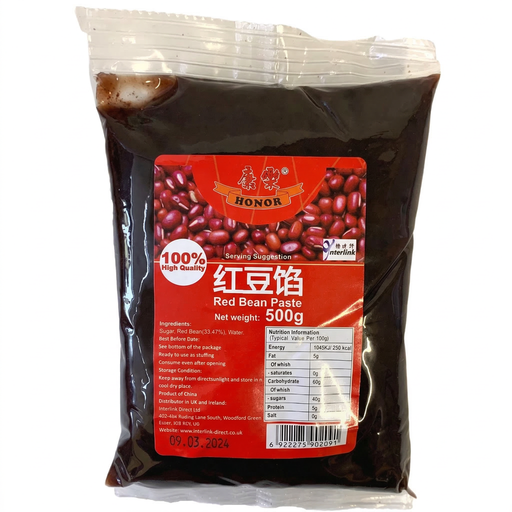
Why This Fits Their Persona: A 500g ready-to-use pack gives first-time home bakers enough filling for experimenting with buns, cakes, sweet rice balls and mooncakes without preparing beans from scratch.
The listing clearly identifies it as ready-to-use red bean paste and provides ingredients, allergens and nutrition information.
500g quantity; suitable for red bean buns, mooncakes, bread and cakes; no allergens are listed in the supplied product information.
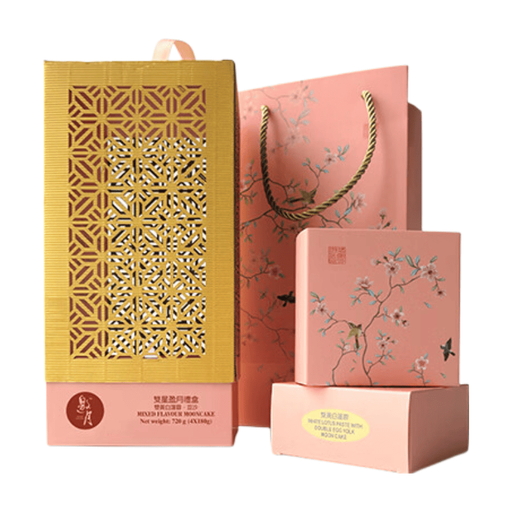
Why This Fits Their Persona: This 720g Chinese gift box is designed for sharing or gifting during the Mid-Autumn Festival, with two pure red bean mooncakes and two double-yolk white lotus paste mooncakes.
The box states the flavour mix, pack size, country of origin, storage guidance and allergens, so buyers can check suitability before gifting.
Four large 180g mooncakes; includes pure red bean and double-yolk white lotus flavours; lantern-shaped presentation box.
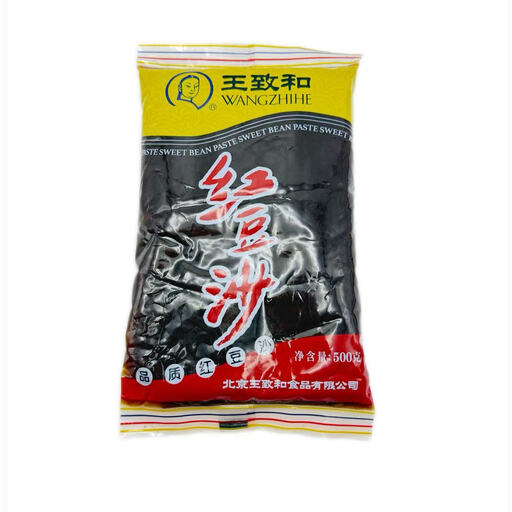
Why This Fits Their Persona: A full-size paste pack suits regular home bakers and pastry makers preparing repeated batches of mooncakes, pancakes, buns or other Asian desserts.
It is specifically listed as a filling or ingredient, avoiding the confusion between a dessert paste and a ready-to-drink red bean beverage.
Ready to eat; 500g net quantity; can be warmed to a spreadable consistency; suitable for several pastry applications.

Why This Fits Their Persona: This Japanese-style daifuku is a finished mochi snack, making it suitable for tea breaks or sampling red bean paste mochi without preparing a recipe.
The listing identifies it as a finished daifuku rather than a standalone baking paste, and states that it should be kept frozen at -18°C or below.
100g ready-to-eat Japanese wagashi; glutinous rice flour outer layer; red bean filling; suitable for serving with tea.
We have compiled a complete, real-time list of products that fully satisfy these strict selection criteria and UK safety regulations.
They are often used interchangeably in product listings, but check the ingredients. Azuki beans are a specific small red bean commonly used in Japanese anko and other Asian desserts. Some products described as red bean paste may contain additional ingredients such as lotus seeds, citrus peel, oil or thickeners.
Follow the label first. Many ready-to-use paste products should be refrigerated after opening and consumed within the recommended period. Use a clean utensil each time and do not rely on appearance alone to judge freshness.
Yes, products specifically sold as a filling can be used in mooncake filling, red bean buns, pancakes, cakes and sweet rice balls. Choose a thick paste rather than a red bean drink or finished pastry, and check whether the texture needs warming before spreading or shaping.