
24/7 Customer Support

Free returns

Same-day & Next-day Delivery

Quality Guaranteed

Unlock Your Welcome Offers: FREE Delivery | Up to 80% OFF | Free 30-day JoyPlus trial
Download the APP
Red bean paste is a useful ingredient and a popular sweet across Chinese, Japanese and Korean cuisines. Depending on the product, it can be smooth or chunky, lightly sweet or dessert-sweet, ready to eat or intended for baking. That variety is helpful, but it can also make shopping confusing.
A jar labelled red bean paste, sweet red bean paste or adzuki bean paste may not suit every recipe. Some products are fillings for mooncakes and buns, while others are ready-made snacks. Before buying, check the texture, ingredient list, quantity and storage instructions rather than relying only on attractive packaging.
Chinese sweet bean sauce is often made with fermented soya beans, wheat flour and salt. It is designed for savoury dishes such as Peking duck, stir-fries and dipping sauces. It is not a substitute for sweet red bean paste in mochi, dorayaki or pastries.
For desserts, look for ingredients such as red beans or adzuki beans, sugar and water, with oil sometimes added to create a smooth texture.
Smooth paste is suitable for spreading, filled pancakes and refined pastry work. A chunky paste, often called tsubuan, includes visible pieces of adzuki bean and gives dorayaki or rice cakes more texture.
If you are making red bean mooncakes, check that the filling is sufficiently thick to shape. A loose, syrupy product may be difficult to wrap in pastry.
Asian desserts frequently contain wheat, egg, soya, milk, peanuts or sesame, even when the main filling is made from beans. Always read the UK label before serving guests or children.
Shelf-stable products still require correct storage. Many unopened pastes can be stored in a cool, dry place, but opened packs generally need refrigeration and prompt use. Follow the packaging instructions rather than assuming that every product has the same lifespan.
Ingredients are listed by weight, from highest to lowest. A product intended as a cooking ingredient should identify red beans or adzuki beans clearly. For example, Wangzhihe Red Bean Paste 500g lists red beans, sugar, water and vegetable oil, while Honor Red Bean Paste 500g lists red beans, white sugar, vegetable oil and water.
Ingredient percentages can help with comparison. The pure red bean filling in the Yao Yue gift box contains 18% red beans, whereas the rose red bean filling in the Wu Fang Zhai mooncakes accounts for 67.44% of the product as a prepared filling. These figures are not directly equivalent, but they illustrate why the full ingredient declaration matters.
Choose according to the task:
A 500g pack is practical for several batches of buns, pancakes or pastries. Smaller packs reduce opened-food waste if you are trying red bean filling for the first time. Compare the nutritional panel per 100g, particularly energy, sugars and fat, because recipes and finished snacks vary considerably.
For instance, Wangzhihe Red Bean Paste provides 225 kcal and 30g sugars per 100g, while Honor Red Bean Paste provides 263 kcal and 30g sugars per 100g. These figures are product-specific and should be considered alongside the quantity used in a recipe.
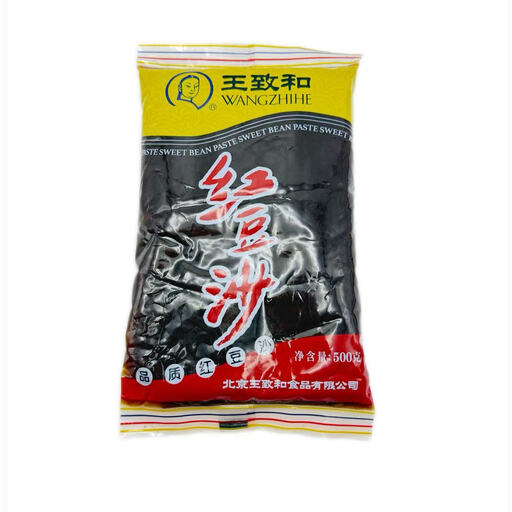
Why This Fits Their Persona: A 500g ready-to-use pack gives first-time bakers enough filling for several recipes, including buns, pancakes and mooncakes, without requiring soaking or cooking beans.
The product is identified as red bean paste rather than savoury sweet bean sauce, and its usage instructions state that it can be used directly as a filling.
500g quantity; ingredients include red beans, sugar, water and vegetable oil; suitable for both fillings and spreading.
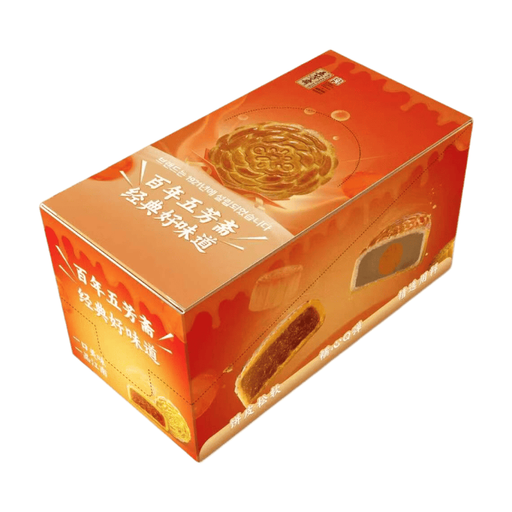
Why This Fits Their Persona: This six-piece box suits shoppers seeking a ready-to-eat Chinese dessert with a floral variation on traditional sweet red bean paste.
The listing clearly states that the mooncakes are ready to eat and identifies wheat, soya and egg allergens before purchase.
Six 60g mooncakes; rose preparation with edible rose petals; recommended for serving with tea.
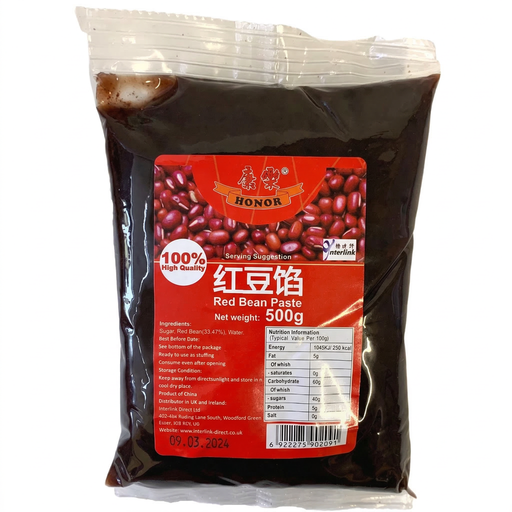
Why This Fits Their Persona: Home bakers making repeated batches of Chinese pastries, red bean buns or sweet rice balls can use a full-size pack straight from the pack.
The stated applications include mooncakes, bread, cakes and sweet rice balls, making the intended dessert use clear.
500g ready-to-use format; no listed allergens; suitable for multiple Chinese and Western pastry applications.

Why This Fits Their Persona: This Japanese snack is ready to eat and works for lunchboxes, family sharing or an afternoon tea break without baking.
The pack specifies six portions, 320g total weight and no cooking required, so it is clearly a finished dessert rather than a baking ingredient.
Six individually portioned dorayaki; 23% adzuki bean paste; contains wheat, egg, soya and milk.
We have compiled a complete, real-time list of products that fully satisfy these strict selection criteria and UK safety regulations.
Usually, the terms refer to a sweet paste made from adzuki beans, sugar and water. However, recipes and translations vary. Check the ingredient list and texture description, particularly when choosing between smooth paste and chunky Japanese-style filling.
Follow the product label. Several ready-to-use products advise refrigeration after opening and prompt consumption. Use a clean utensil, reseal the container and discard the product if its appearance, smell or texture changes.
Yes, products sold as ready-to-use filling can be used in mooncakes, buns, mochi-style sweets and pancakes, provided the texture is thick enough. For a traditional recipe, measure the paste by weight and check whether it needs warming before shaping. For ready-made red bean snacks, such as dorayaki or daifuku, no preparation is required.