
24/7 Customer Support

Free returns

Same-day & Next-day Delivery

Quality Guaranteed

Unlock Your Welcome Offers: FREE Delivery | Up to 80% OFF | Free 30-day JoyPlus trial
Download the APP
Finding suitable red bean paste in the UK can be less straightforward than it appears. Products may be labelled as sweet red bean paste, adzuki bean paste, red bean filling or even a ready-to-drink dessert. They are not interchangeable, particularly when you are preparing mooncakes, dorayaki, daifuku or other Asian sweets.
The main shopping risks are usually hidden in the small print:
A careful check of the ingredients, quantity and intended use can prevent an unsuitable purchase.
For red bean paste for mooncakes, a smooth, dense filling is generally easier to portion and wrap in pastry. A ready-to-use Chinese red bean paste may also be warmed to make it more spreadable for buns, pancakes and cakes.
Japanese red bean products use several texture descriptions:
If you want to make dorayaki or daifuku, decide whether you prefer a visibly textured filling or a silky centre. For casual snacking, a finished product such as dorayaki or mochi removes the need to prepare the filling yourself.
The percentage of beans can vary considerably. Wangzhihe Red Bean Paste 500g lists red beans, sugar, water, vegetable oil and potassium sorbate. HONOR Red Bean Paste 500g uses red beans, sugar, vegetable oil and water, with potassium sorbate listed as a preservative. These are useful details when comparing a straightforward paste for baking.
Some products include additional ingredients for flavour or texture. Honor Red Bean Paste with Lotus Seeds and Lily 300g contains red beans, lotus seeds, dried lily bulb and dried citrus peel, offering a more distinctive filling rather than a plain paste.
For UK households, always check the packaging for legally required allergen information. The Mid-Autumn Festival gift box contains wheat, eggs and sulphites, and may contain nuts, soya, sesame, mustard, celery, milk, lupin, fish, molluscs and crustaceans. Dorayaki contains wheat, eggs, soya and milk. Ingredient lists can change, so the product label should take priority over online descriptions.
A 500g jar or pack is practical for several baking sessions, but opened paste usually needs refrigeration and prompt use according to the packaging. The Guli Guli product is a drink rather than a baking filling: it comes as six 250ml cartons, can be served chilled and should be refrigerated after opening.
Finished red bean desserts have different requirements. Some are shelf-stable until opened, while frozen daifuku must remain at -18°C or below. Check whether you have enough fridge or freezer space before ordering.
For gifting, portion count and presentation also matter. The Yao Yue Double Star Full Moon Gift Box contains four 180g mooncakes: two double-yolk white lotus seed paste mooncakes and two pure red bean paste mooncakes. It is ready to eat and supplied in a lantern-shaped box designed for sharing during the Mid-Autumn Festival.
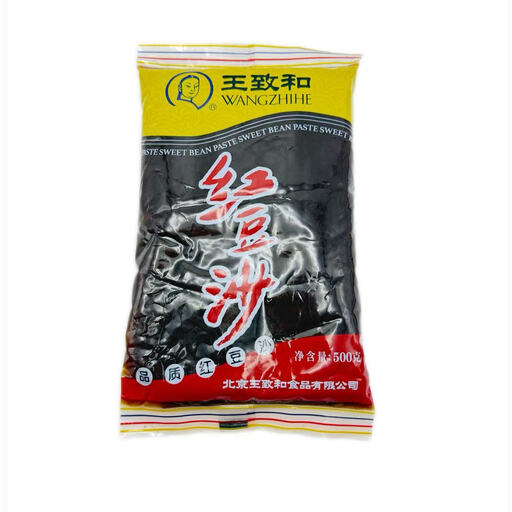
Why This Fits Their Persona: A practical starting point for UK home bakers who want one ready-to-use pack for buns, pancakes, mooncakes or sweet soups without preparing beans from scratch.
It is clearly described as ready-to-use paste, helping distinguish it from finished desserts and red bean drinks.
500g quantity; ingredients include red beans, sugar, water and vegetable oil.
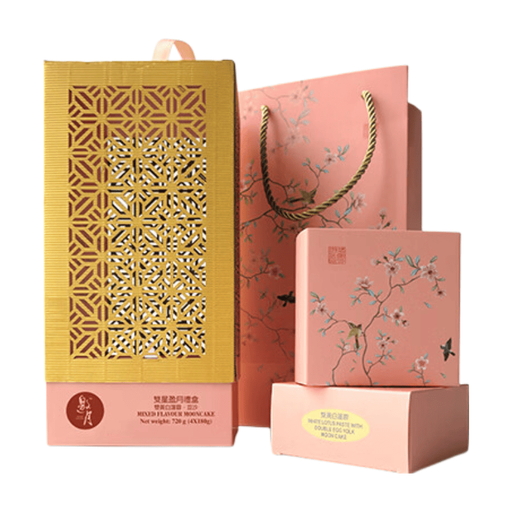
Why This Fits Their Persona: Suited to shoppers seeking a present or a ready-to-share selection for family gatherings and Mid-Autumn Festival occasions.
The pack contents are specified: four 180g mooncakes, including two pure red bean paste varieties.
720g total weight; ready to eat; lantern-shaped gift packaging.
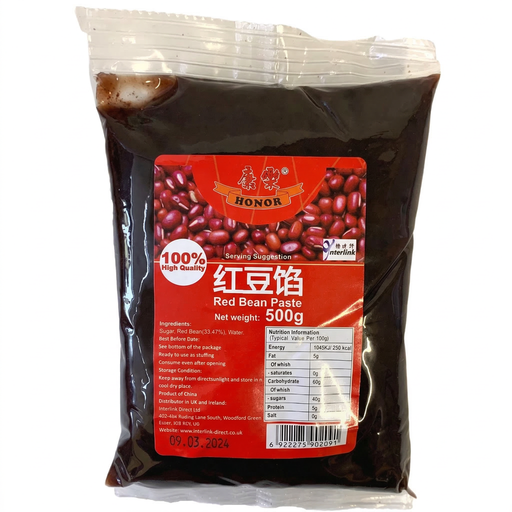
Why This Fits Their Persona: Useful for regular home bakers making several batches of red bean buns, sweet rice balls, bread or cakes.
The product description identifies it as a direct filling or ingredient, rather than a snack that cannot be portioned for recipes.
500g pack; suitable for Chinese and Western pastries; no allergens are listed in the supplied product information.

Why This Fits Their Persona: A convenient option for UK shoppers who want Japanese red bean desserts without cooking, portioning or assembling pastries.
The six-piece format and 320g net weight make the serving format clear, while no cooking is required.
Contains 23% adzuki bean paste; can be eaten at room temperature; individually portioned pieces.
We have compiled a complete, real-time list of products that fully satisfy these strict selection criteria and UK safety regulations.
Often, yes. In many Chinese and Japanese products, “red bean” refers to the small adzuki bean. However, recipes and labels can differ, so check the ingredient list and texture description rather than relying on the front label alone.
Storage depends on the product. Follow the label, refrigerate after opening where instructed and use a clean utensil each time. Finished desserts may have shorter freshness periods, while frozen products must remain frozen until preparation.
Yes, if the consistency is dense enough to portion and wrap. Check whether the product is described as a pastry filling, and consider chilling or gently warming it according to the recipe. A drink or a finished dorayaki is not a direct substitute for baking paste.