
24/7 Customer Support

Free returns

Same-day & Next-day Delivery

Quality Guaranteed

Unlock Your Welcome Offers: FREE Delivery | Up to 80% OFF | Free 30-day JoyPlus trial
Download the APP
Buying red bean paste and adzuki beans online can be convenient, but product descriptions do not always explain how an item should be used, stored or compared. A jar of ready-to-use filling, a bag of dry beans and a festive mooncake may all contain “red bean”, yet they suit completely different shopping needs.
For UK households, the main decision is whether you need an ingredient for cooking, a prepared filling for baking, or a ready-to-eat snack or gift. The following guide highlights common buying traps and the specifications worth checking before you order.
The terms adzuki beans, small red beans and red mung beans are sometimes used inconsistently in online listings. They are not automatically interchangeable in flavour, texture or cooking time. Check the ingredient declaration rather than relying only on the product title.
For example, a dry product listing that states “Adzuki beans 100%” is suited to cooking from scratch. By contrast, a sweet red bean paste may also contain sugar, oil, water, starch or preservatives.
Chinese red bean paste is generally used as a smooth or semi-smooth filling for buns, mooncakes, pancakes and sweet soups. However, the sugar and oil content can vary considerably. Some fillings are dense and pipeable, while others are softer and better suited to spreading.
A product marketed as a ready-to-use red bean filling can save preparation time, but it may not be suitable for recipes where you want to control sweetness. Always review the nutrition panel and ingredient list before buying several large packs.
Asian pastries and mooncakes commonly contain wheat, egg, soya, peanuts, milk or sulphites, depending on the recipe. A red bean filling itself may appear simple, but the surrounding pastry can introduce several allergens.
UK shoppers should read the label supplied with the product, particularly when buying for children, guests or gifting. Storage also matters: dry beans generally need an airtight container after opening, while opened paste and packaged pastries may require refrigeration or prompt consumption.
Ingredients are listed in descending order by weight. If sugar appears before beans, the product is likely to have a sweeter profile. A stated filling percentage can also help you compare pastries.
For example, the Wu Fang Zhai Rose Red Bean Paste Mooncakes contain 67.44% red bean paste with rose, while the Yao Yue gift box lists pure red bean paste mooncakes containing 18% red beans within the filling recipe. These figures describe different parts of the recipe, so they should not be treated as direct quality scores; they are useful for understanding composition.
Dry beans need more planning than prepared products. The Huiquntang adzuki beans recommend soaking for four to six hours or overnight, followed by cooking until tender. Huaseed Northeast Red Beans also require soaking and boiling before eating.
For paste, compare the net weight with your recipe requirements. A 500g pack may be practical for several batches of buns or mooncakes, while a 300g speciality paste may suit smaller portions. After opening, follow the packaging instructions, refrigerate products where required and use them within the recommended period.
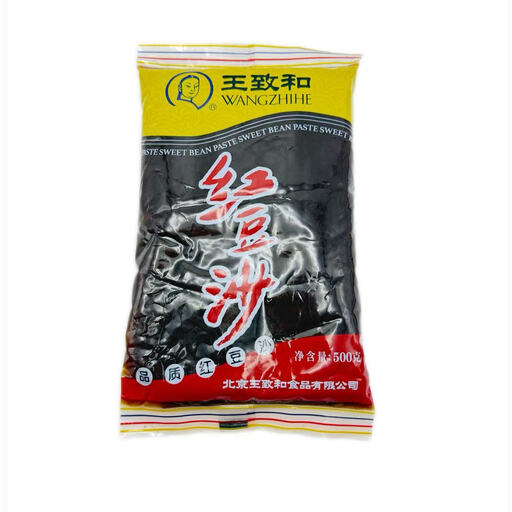
Why This Fits Their Persona: A 500g ready-to-use pack gives first-time home bakers enough filling for buns, pancakes or a small batch of mooncakes without preparing dry beans.
The ingredient list clearly identifies red beans, sugar, water and vegetable oil, so shoppers can distinguish a prepared filling from plain beans.
500g net quantity; ready to eat or use directly as a pastry filling; refrigeration is advised after opening.
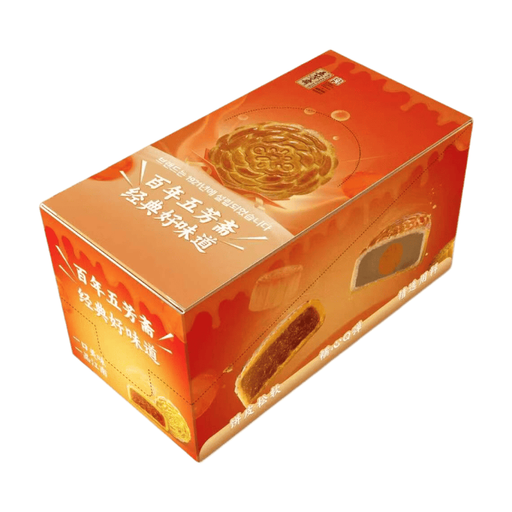
Why This Fits Their Persona: This six-piece Mid-Autumn Festival set suits shoppers looking for a prepared Chinese pastry with a floral variation on traditional red bean filling.
The product specifies real edible rose petals and identifies gluten, soya and egg allergens rather than leaving the flavour and pastry composition vague.
Six ready-to-eat mooncakes; 360g total weight; rose preparation included in the red bean filling; individually suitable for sharing with tea.
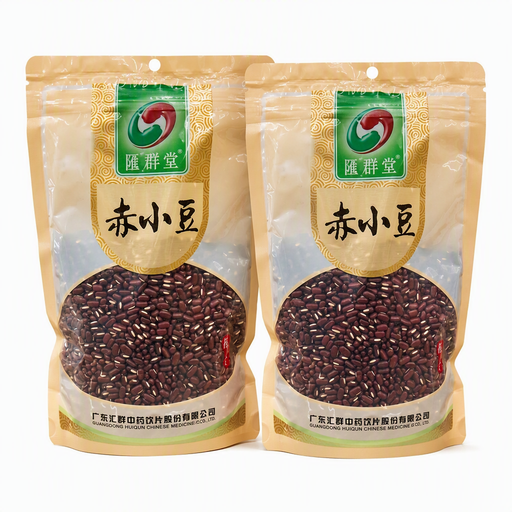
Why This Fits Their Persona: The 800g total pack is practical for households preparing several batches of sweet soups, porridge, red bean desserts or savoury dishes.
The instructions set realistic expectations: rinse, soak for four to six hours or overnight, then cook until tender. It is not presented as an instant ingredient.
Two 400g packs; single-ingredient small red beans; suitable for sweet soups, porridge, desserts, soups and stews.

Why This Fits Their Persona: These Japanese red bean snacks require no cooking and work well for packed lunches, afternoon tea or sharing at home.
The listing states the product is ready to eat and provides storage guidance for opened pieces, helping avoid buying a snack that requires preparation.
Six individually portioned pancakes; contains adzuki bean paste; no cooking required; allergens include wheat, egg, soya and milk.
We have compiled a complete, real-time list of products that fully satisfy these strict selection criteria and UK safety regulations.
For homemade red bean desserts, choose plain dry adzuki beans if you want to adjust the sugar, consistency and cooking time yourself. Once softened, the beans can be simmered with sugar and blended or mashed into a filling.
For mooncakes, a ready-made filling or prepared red bean paste for mooncakes is more convenient. Check whether the product is already enclosed in pastry and ready to eat, or whether it is sold as an ingredient. The two formats should not be substituted in a recipe without adjusting the quantity.
Those seeking organic adzuki beans should verify that the listing and packaging clearly identify organic status and any relevant certification. Do not assume that “natural”, “traditional” or “selected” means organic.
For Korean red bean pastries, Japanese dorayaki or daifuku, focus on the storage conditions and use-by guidance. Soft filled products can change texture after opening, so buy quantities that match how quickly your household will eat them.
No. Adzuki beans are dry pulses that need cooking. Red bean paste is a prepared mixture, typically made with beans, sugar and sometimes oil or other ingredients. It is used as a filling or dessert component.
Many products recommend soaking for around four to six hours or overnight. Rinse the beans first, soak them in plenty of water, drain and rinse again before boiling. Cooking time depends on the age of the beans and the final recipe.
Follow the product label. Many prepared pastes should be refrigerated after opening and consumed within the stated period. Keep the container sealed, use a clean utensil and discard the product if the packaging is damaged or the paste develops an unusual odour, mould or texture.