
24/7 Customer Support

Free returns

Same-day & Next-day Delivery

Quality Guaranteed

Unlock Your Welcome Offers: FREE Delivery | Up to 80% OFF | Free 30-day JoyPlus trial
Download the APP
Shopping for red bean products can be surprisingly confusing. “Red beans” may refer to small adzuki beans, larger red kidney beans, sweetened red bean paste or ready-to-heat desserts. Choosing the wrong type can leave you with beans that need much longer cooking than expected, a filling that is too sweet for your recipe or a frozen snack that does not suit your available storage.
Three common purchasing traps are worth avoiding:
For Chinese red bean desserts, Japanese-style sweets and Korean red bean buns, small adzuki beans are generally the relevant ingredient. They can be cooked into a soft mixture and sweetened for fillings.
For savoury recipes, a jar of cooked red kidney beans may be more convenient. For example, ready-to-use beans can be added to stews, salads or plant-based meals without the soaking time associated with dried beans.
Read the product description carefully. Terms such as adzuki beans, red kidney beans, “red bean paste” and “red bean flavour” indicate different products rather than interchangeable names.
The format affects both preparation time and storage:
A large 1kg pack can suit regular home cooking, while a 400g–500g pack may be more practical if you are trying a recipe for the first time.
UK food labels should be checked before purchase, particularly when buying imported Asian grocery products. Look for clearly declared allergens such as wheat, gluten, soya, sesame, peanuts and nuts.
Dried beans are not ready to eat. Follow the pack instructions and cook them until tender. Some product labels warn that undercooked beans contain natural lectins and may cause gastrointestinal discomfort. Do not use raw or inadequately cooked beans in recipes.
For sweet products, compare the sugar content rather than relying on descriptions such as “mild” or “balanced”. For instance, ready-made pastes commonly contain red beans, sugar, oil and preservatives, while filled snacks may also include wheat flour, maltose or starch syrup.

Why This Fits Their Persona: A manageable 454g pack gives first-time cooks enough beans for porridge, soup or a small batch of red bean paste without committing to a larger quantity.
The listing clearly identifies these as dry beans that require soaking and thorough cooking, helping prevent an unsuitable ready-to-eat purchase.
Single-ingredient product with 20.5g protein per 100g as listed for dry beans; suitable for paste, porridge and fillings.
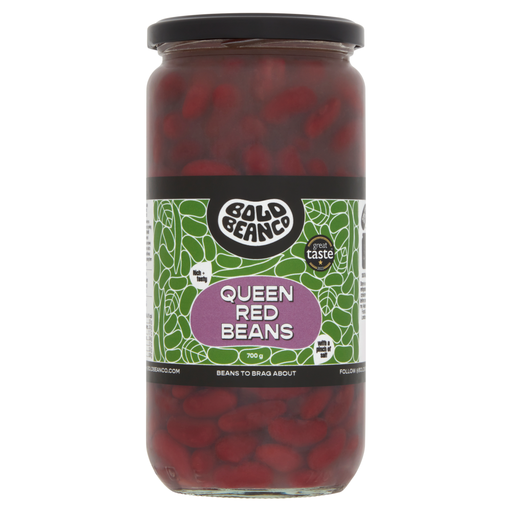
Why This Fits Their Persona: This jar suits shoppers who prioritise convenience and want cooked red kidney beans for weeknight meals, salads or creative savoury recipes.
It is sold cooked in bean stock, so it avoids the preparation time associated with dried red beans. Refrigerate after opening and consume within three days as stated.
700g glass jar; ready to use; ingredients list identifies red beans, water and salt.
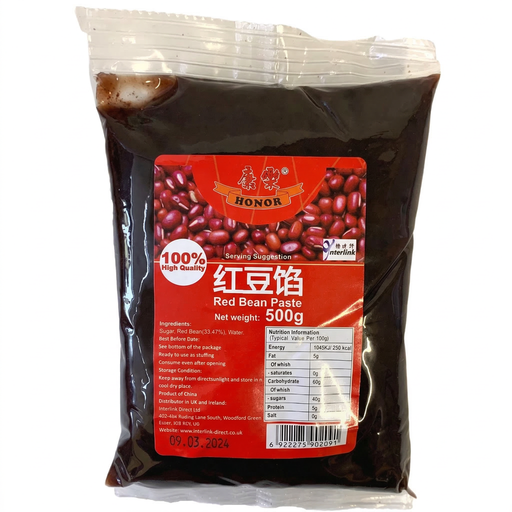
Why This Fits Their Persona: Home bakers making red bean buns, mochi, mooncakes, cakes or pancakes can use a prepared filling instead of cooking and sweetening beans from scratch.
The ready-to-use format removes soaking, steaming and stir-frying, while the label gives a clear sugar value of 30g per 100g for recipe planning.
500g pack; smooth texture; designed for Chinese and Western pastries; refrigerate after opening.
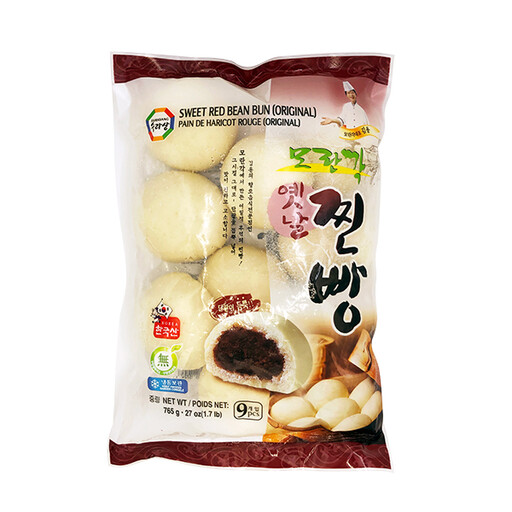
Why This Fits Their Persona: A practical freezer option for households wanting Korean red bean buns for breakfast, afternoon snacks or a warm dessert.
The pack specifies frozen storage at -18°C or below and provides steaming, microwaving and air-frying options. It also states not to refreeze after thawing.
765g family-size pack; wheat and soya allergen information provided; suitable for heating from frozen.
We have compiled a complete, real-time list of products that fully satisfy these strict selection criteria and UK safety regulations.
If you prefer Japanese-style sweets, Japanese red bean mochi and daifuku offer a soft glutinous rice exterior with a sweet filling. Check whether the filling is adzuki-based or white bean-based, and review the allergen statement for soya.
For Korean snacks, Korean red bean buns, fish-shaped pastries and red bean pancakes offer different textures and preparation methods. Frozen pancakes may be pan-fried, oven-baked or air-fried, while steamed buns generally need thorough reheating.
For a chilled or frozen dessert, the Shaomei Red Bean Ice Bar contains red bean paste but also lists wheat and possible cross-contact with several allergens. Always rely on the current packaging for the latest information.
No. Adzuki beans are smaller and are frequently used for sweet pastes, porridge and Asian desserts. Red kidney beans are larger and commonly used in savoury dishes. Product labels should be checked before substituting one for the other.
Most dried red beans benefit from soaking before cooking, although the exact method varies by product. Rinse them, follow the pack instructions and cook thoroughly until soft. Do not eat dried beans raw or undercooked.
Follow the product label. Many ready-made pastes should be refrigerated after opening and used promptly. Use a clean utensil, keep the packaging sealed and check the stated best-before or use-by guidance.