
24/7 Customer Support

Free returns

Same-day & Next-day Delivery

Quality Guaranteed

Unlock Your Welcome Offers: FREE Delivery | Up to 80% OFF | Free 30-day JoyPlus trial
Download the APP
From the sweet filling in a fluffy red bean bun to the comforting warmth of a traditional red bean dessert, red bean products are a cornerstone of East Asian cuisine. For many in the UK, they offer a taste of home or an exciting new flavour to explore. However, navigating the online market can be tricky. With so many options, from ready-to-eat snacks to cooking ingredients, it's easy to end up with a product that doesn't meet expectations.
As a Joybuy Product Recommendation Officer, my role is to help you sidestep common purchasing pitfalls. Many shoppers find themselves disappointed by products with lacklustre flavour or unexpected ingredients. Let's look at the frequent issues and how to avoid them.
To ensure you get the quality and flavour you're looking for, focus on a few key details before you buy. Analysing these factors will help you distinguish between authentic products and disappointing imitations.
The ingredients list is your most reliable guide. For authentic flavour, red beans or red bean paste should be one of the first ingredients listed, indicating it's a primary component by weight. Be wary of products that list sugar or syrup first. When you want to buy red bean paste for baking, check the percentage of beans if available. This simple check helps you avoid the "red bean flavour" trap and ensures you're getting a product with genuine substance.
Red bean products come in several forms, each suited to different uses:
The sweetness level can vary dramatically. Some products are subtly sweet, allowing the natural flavour of the bean to shine, while others are much more sugary. Look at the "of which sugars" value in the nutritional information. Products from different regions, such as Japanese red bean desserts versus Chinese ones, may also have subtle differences in flavour profile and texture.
To make your choice easier, we've matched some popular red bean products to different needs and preferences.
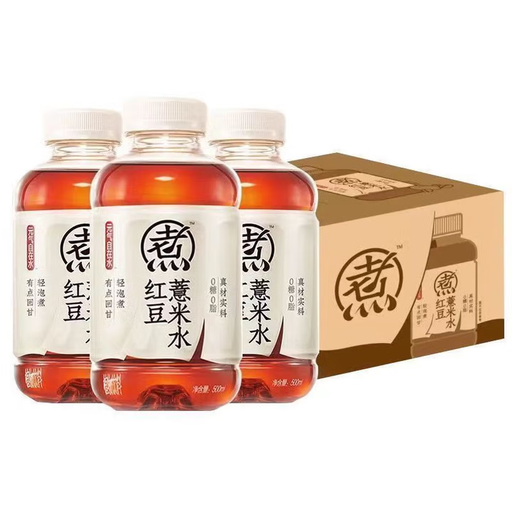
Why This Fits Their Persona: This is for the person seeking a refreshing, hydrating beverage without the high sugar content of typical soft drinks. It's a convenient, guilt-free option for daily enjoyment, especially when served chilled.
It directly counters the hidden sugar pitfall by being explicitly sugar-free, zero-calorie and zero-fat. The flavour comes from red bean and barley essence, not just sweeteners.
Sweetened with erythritol for a light taste. Inspired by traditional herbal recipes, offering a unique flavour profile.
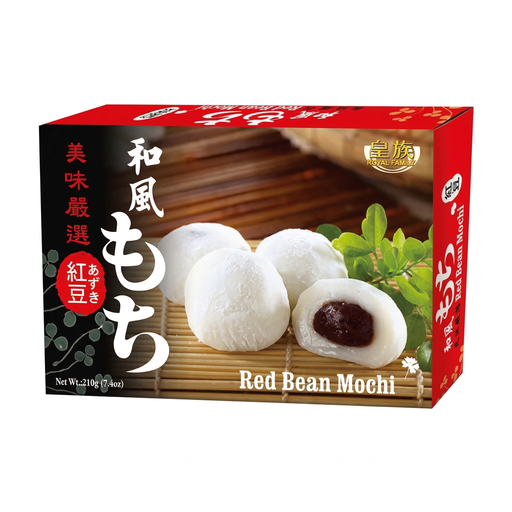
Why This Fits Their Persona: Perfect for anyone who loves the unique texture of mochi and wants a quick, satisfying treat. The individual packaging makes it easy to pack for lunch, enjoy with afternoon tea or share with friends.
This product avoids the texture pitfall by using Japanese-style mochi techniques for a soft, chewy skin. The filling is a classic red bean paste, ensuring an authentic flavour experience.
Ready-to-eat and individually wrapped for freshness and convenience. Delivers the classic sweet, dense texture expected of a quality red bean mochi.
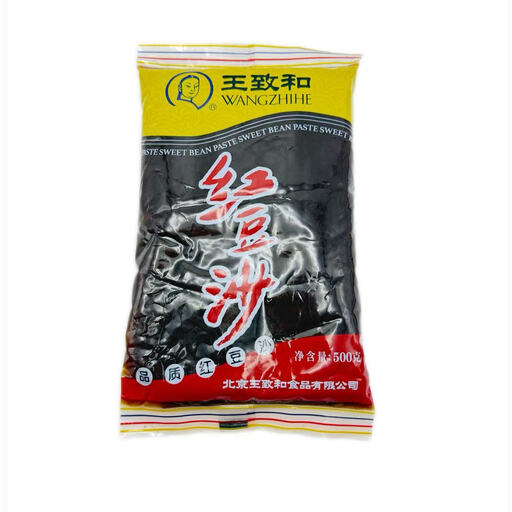
Why This Fits Their Persona: For the creative home cook who wants to make their own pastries, buns or desserts without the lengthy process of preparing beans from scratch. This paste provides a reliable and flavourful base.
This is a straightforward ingredient, not a snack with hidden fillers. It provides a smooth, classic red bean paste, avoiding the gritty or watery texture of lower-quality alternatives.
Ready-to-use, saving significant preparation time. It is versatile enough for a wide range of recipes, from traditional mooncakes to modern fusion desserts.
We have compiled a complete, real-time list of products that fully satisfy these strict selection criteria and UK safety regulations.
1. What is the difference between adzuki beans and other red beans? Adzuki beans (Vigna angularis) are the small, reddish-brown beans typically used in East Asian desserts. They have a distinctly sweet, nutty flavour and a softer texture when cooked compared to larger red beans like kidney beans, which are more commonly used in savoury dishes. When a recipe calls for red bean paste, it is almost always referring to a paste made from adzuki beans.
2. How should I store opened red bean paste? Once opened, transfer any unused red bean paste from its original packaging into a clean, airtight container. It should be stored in the refrigerator and is generally good to use for up to a week. Always check for any changes in smell or appearance before using.
3. Are all red bean products gluten-free? No, they are not. While dried adzuki beans are naturally gluten-free, many processed red bean products are not. Red bean buns, pastries and some mochi contain wheat flour. Additionally, cross-contamination can occur in facilities that also process wheat. Always check the "Allergens" section on the product label if you have a gluten sensitivity or coeliac disease.