
24/7 Customer Support

Free returns

Same-day & Next-day Delivery

Quality Guaranteed

Unlock Your Welcome Offers: FREE Delivery | Up to 80% OFF | Free 30-day JoyPlus trial
Download the APP
Shopping for red bean products in the UK can mean choosing anything from dried adzuki beans and ready-made red bean paste to Japanese mochi, Korean pancakes, mooncakes and red bean skincare. The variety is useful, but attractive packaging can make products harder to compare than expected.
The main buying traps are usually straightforward:
For cooking, look for adzuki beans or small red beans sold as a single ingredient. Dried beans require rinsing, soaking and thorough cooking, but they give you control over sweetness and texture. Huiquntang Adzuki Beans, for example, are supplied as 400g packs, with instructions recommending a 4–6-hour or overnight soak before cooking.
For faster baking, red bean paste is more convenient. It can be used in red bean buns, mooncakes, cakes and filled pastries without preparing the beans from scratch. However, check whether the paste is smooth or coarse, and review the sugar and oil content. HONOR Red Bean Paste 500g lists red beans, sugar, vegetable oil and water, and should be refrigerated after opening.
Ready-to-eat items are more specialised. Red bean mochi, dorayaki and pastries are suitable for snacking, while red bean porridge and red bean drinks are designed for quick serving.
Storage is particularly important for UK online grocery orders. Frozen products should remain at -18°C or below and must not be refrozen after thawing. This applies to products such as red bean rice balls, Korean hotteok and frozen buns.
Shelf-stable products should be kept in a cool, dry place away from direct sunlight. Once opened, follow the label: some items need refrigeration, while others should be consumed promptly. Dried beans should be stored in an airtight container after opening.
Preparation time also affects value. Dried beans may need soaking and 60–90 minutes of simmering, whereas tinned porridge, dorayaki and some Japanese red bean snacks can be served immediately.
UK food labels should be checked before purchase, especially when buying imported Asian groceries online. Look for allergens highlighted in the ingredients list and compare serving sizes rather than only the per-100g figures.
For example, KG Pastry Red Bean Bun contains wheat and gluten, while Samlip Red Bean Bun contains wheat and soya and may contain other allergens. XUANMA Egg Yolk Pastry contains milk, egg, soya, wheat and sesame. Mooncakes may also contain peanuts, duck egg and wheat.
For drinks, check sweeteners and warnings. Genki Forest Red Bean with Barley Water contains barley and erythritol, and its product information notes that excessive consumption may have a laxative effect.
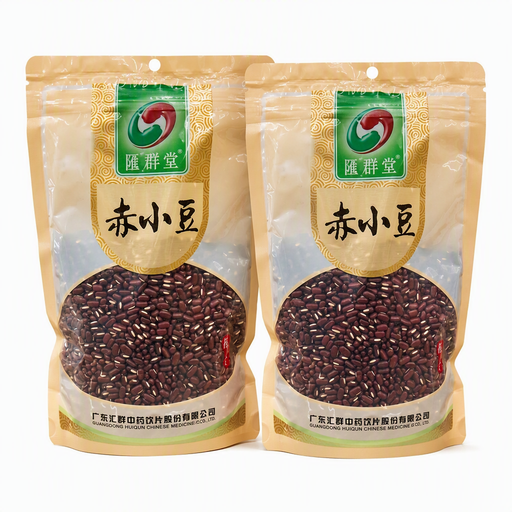
Why This Fits Their Persona: A two-pack gives home cooks a practical starting supply for soups, porridge, sweet broths and homemade red bean desserts.
It is a dried, single-ingredient product, so there is no hidden sweet filling or confusing ready-to-eat claim.
400g ×2 format; suitable for both sweet and savoury recipes; clear soaking guidance.

Why This Fits Their Persona: Suitable for shoppers seeking a Japanese-style tea-time sweet with soft pancakes and a visible adzuki bean filling.
The listing identifies the filling as azuki bean paste at 23% and states that no cooking is required.
Six-piece 320g pack; made in Japan; individually suitable for sharing or portioned snacking.
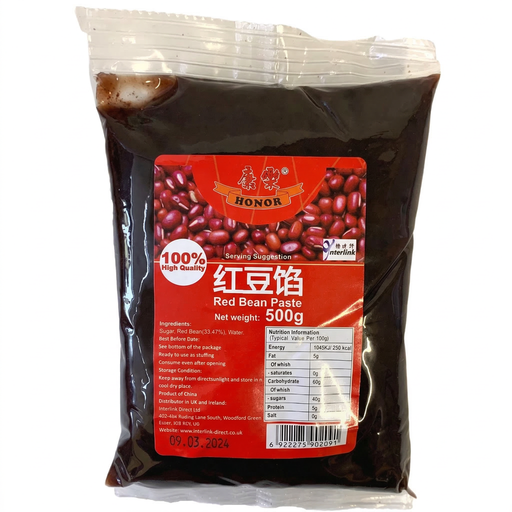
Why This Fits Their Persona: A useful shortcut for regular bakers making red bean buns, mooncakes, filled bread, cakes or sweet rice balls.
It is ready to use, avoiding the soaking, boiling and puréeing required when preparing paste from dried beans.
500g format; smooth texture; suitable for Chinese and Western-style baking.
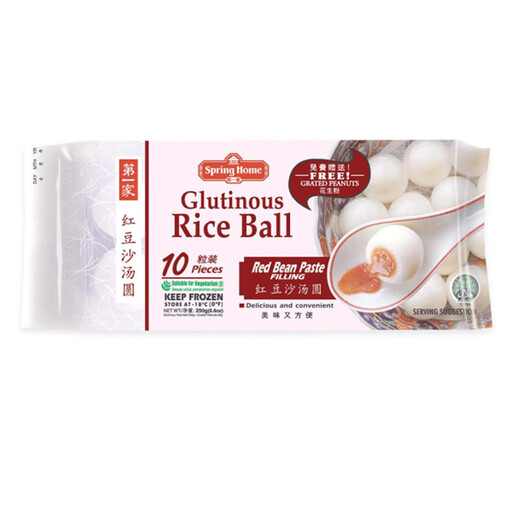
Why This Fits Their Persona: A convenient option for dessert lovers wanting chewy red bean mochi-style rice balls without making the dough and filling themselves.
The preparation method is clearly stated: boil the frozen rice balls for 5–7 minutes and do not refreeze after thawing.
200g pack; short preparation time; ingredients include glutinous rice flour and red bean paste.
We have compiled a complete, real-time list of products that fully satisfy these strict selection criteria and UK safety regulations.
For Japanese red bean snacks, Royal Family Japanese-Style Mochi offers individually packaged pieces, while Yamamotoya daifuku provides a soft glutinous rice shell with a bean-based filling. Korean red bean snacks include EastEco hotteok, HANSS fish-shaped pastry and Samlip buns. These are useful for sharing, but check whether they are ambient or frozen before ordering.
For celebrations, red bean mooncakes range from matcha ice-skin varieties to Cantonese double-yolk mooncakes. Confirm allergens, portion size and storage instructions before buying a gift box.
There are also selected skincare products containing red bean ingredients, including Beauty of Joseon Red Bean Water Gel and Red Bean Refreshing Pore Mask. These are cosmetic products, not food. Read the full ingredient list, follow the stated use instructions and stop using the product if irritation occurs.
In many Asian grocery listings, “red bean” refers to adzuki beans, small beans commonly used in sweet soups, paste and desserts. Always check the ingredient name and product format, as some products use red kidney beans or a mixed-grain recipe instead.
Soaking is recommended because it can shorten cooking time and help the beans soften more evenly. Rinse them first, soak for several hours or overnight, then drain and cook thoroughly according to the pack instructions.
Keep them at -18°C or below, do not refreeze after thawing, and cook or heat them as directed. For online UK orders, make sure you have sufficient freezer space before purchasing multi-pack items such as buns, hotteok or rice balls.