
24/7 Customer Support

Free returns

Same-day & Next-day Delivery

Quality Guaranteed

Unlock Your Welcome Offers: FREE Delivery | Up to 80% OFF | Free 30-day JoyPlus trial
Download the APP
Navigating the world of East Asian desserts can be a delightful journey, but when it comes to buying red bean rice cake online, it’s easy to make a misstep. What arrives might not match the soft, chewy treat you imagined. As a Joybuy Product Recommendation Officer, my role is to help you understand the nuances so you can choose with confidence, avoiding common pitfalls that lead to disappointment.
Many shoppers find themselves caught out by a few recurring issues. Firstly, there's the texture trap: the term "rice cake" covers a wide range of products, from silky-smooth mochi to grainy, traditional wagashi. Secondly, unclear preparation instructions can turn an anticipated treat into a kitchen mishap; some are ready to eat, while others require specific boiling or steaming. Finally, sweetness levels can be unpredictable, with some products being subtly sweet and others intensely sugary.
To ensure you get exactly what you're looking for, pay close attention to these three key details on the product page.
The texture of a red bean rice cake is determined by the type of glutinous rice flour used. This is the single most important factor influencing your eating experience.
The heart of the rice cake is its red bean filling, known as Anko in Japan or hong dou sha in China. It comes in two main forms:
Check the product description or ingredient list for clues. Phrases like "smooth red bean paste" indicate the former, while simply "red beans" in the filling might suggest a chunkier style.
Don't assume all rice cakes are ready to eat from the packet. Misunderstanding the preparation can ruin the product's intended texture.
Based on these criteria, here are a few recommendations from our catalogue, matched to different preferences and needs.
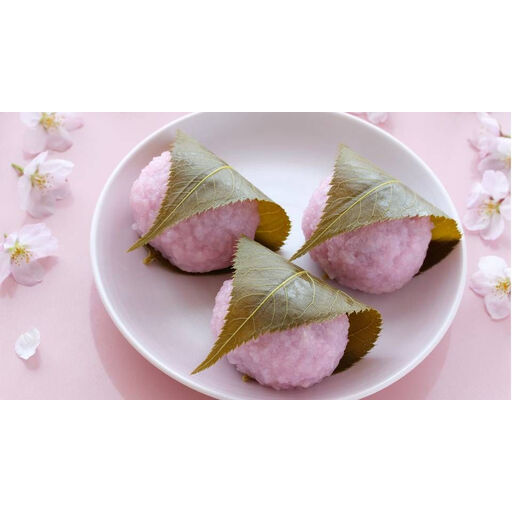
Why This Fits Their Persona: This is for someone who appreciates authentic Japanese wagashi. It offers a genuine taste of a seasonal classic, traditionally enjoyed during cherry blossom season, providing a cultural experience beyond just a simple sweet.
It directly addresses the texture pitfall. The description clearly states it is made with Domyojiko flour for a "satisfyingly supple, 'rice-pudding' like texture," setting the right expectation.
The salt-pickled cherry leaf provides a unique sweet, salty and aromatic flavour balance not found in typical mochi. It is frozen for freshness and only requires defrosting to serve.
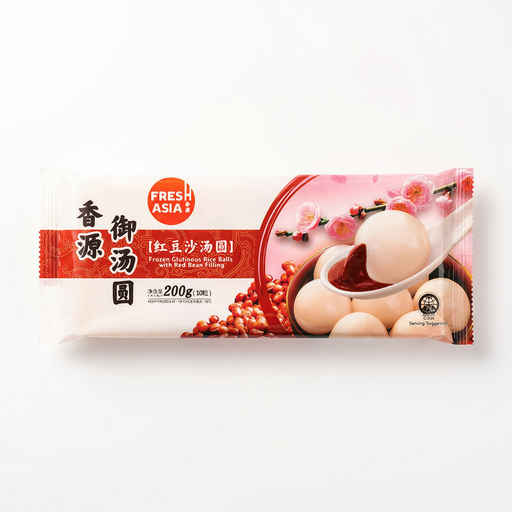
Why This Fits Their Persona: This is ideal for anyone seeking a quick, warm and comforting dessert, especially during colder UK months. It's a classic comfort food that is simple to prepare and satisfyingly sweet, perfect for a hassle-free treat.
It solves the preparation pitfall with clear instructions: "cook for 3-5 minutes until they float." This removes any guesswork, ensuring the glutinous rice balls are cooked perfectly every time.
These are classic tang yuan with a smooth red bean paste filling and a soft, chewy wrapper. They cook from frozen in minutes, offering maximum convenience for a traditional Asian dessert.
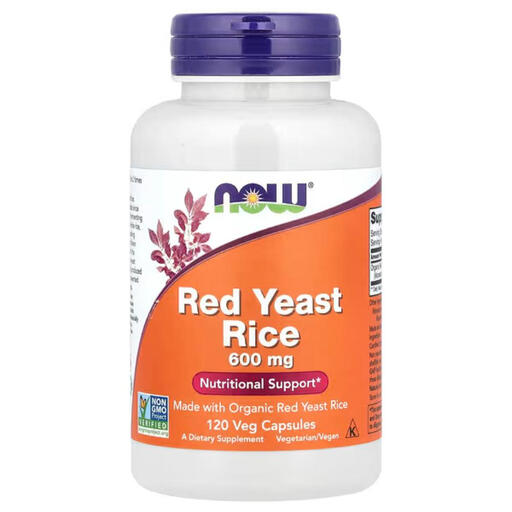
Why This Fits Their Persona: This is not a dessert, but a targeted **red yeast rice supplement** for those specifically searching for its functional properties. It's for the UK consumer focused on wellness and dietary supplements rather than confectionery.
The main pitfall for supplements is purity. This product's information highlights that it is "rigorously evaluated to ensure the absolute exclusion of citrinin," a potential toxin, ensuring user safety.
It offers a clear 600mg dosage of organic red yeast rice in a vegan, non-GMO capsule. The product page also includes comprehensive safety warnings, which is crucial for responsible supplement use.
We have compiled a complete, real-time list of products that fully satisfy these strict selection criteria and UK safety regulations.
Generally, yes. Authentic red bean rice cakes are made from glutinous rice, which, despite its name, does not contain gluten. However, it is essential to always check the ingredients list on the packaging. Some formulations may include wheat starch as a thickener or be produced in a facility that handles wheat, posing a risk of cross-contamination.
Storage depends entirely on how the product is sold.
While both are Asian desserts that can feature glutinous rice and red beans, their form and preparation are very different. A zongzi is a pyramid-shaped dumpling made of whole glutinous rice grains wrapped in bamboo or reed leaves, which are then steamed or boiled. The leaves impart a distinct, earthy aroma. A red bean rice cake, or mochi, is typically smaller, made from glutinous rice flour and is not cooked in leaves, resulting in a softer, chewier texture without the leafy fragrance.