
24/7 Customer Support

Free returns

Same-day & Next-day Delivery

Quality Guaranteed

Unlock Your Welcome Offers: FREE Delivery | Up to 80% OFF | Free 30-day JoyPlus trial
Download the APP
Buying red beans in the UK can mean choosing between dried beans for cooking, ready-to-use red bean paste or finished Japanese and Chinese confectionery. The right option depends on how much preparation you want, the recipe you are planning and how quickly the product needs to be used.
This guide explains the practical details to check before ordering, from soaking instructions and pack size to ingredients, allergens and storage.
The phrase “red beans” can describe several different products. Adzuki beans, also called small red beans or Chinese red beans, are commonly used in East Asian sweet soups, porridge, fillings and desserts. They are not the same as large red kidney beans, which have different cooking characteristics and are more commonly used in savoury dishes.
Check the product name and ingredient list. A product labelled adzuki beans, small red beans or red beans 100% is generally the more relevant choice for red bean paste, Japanese red bean desserts and traditional red bean soup.
Dried red beans usually offer flexibility and a longer cupboard life, but they require rinsing, soaking and thorough cooking. If you are preparing mooncakes or buns soon, making paste from scratch may add several hours to the process.
Ready-to-use products such as sweet red bean paste and filled pastries save preparation time. However, they often contain sugar, vegetable oil, preservatives or other ingredients, so they are not interchangeable with plain dried beans.
A small pack may suit occasional baking, while a 1kg bag is more practical for households making congee, soup and desserts regularly. Once opened, dried beans should be kept sealed in a cool, dry place to help protect them from moisture and insects.
For paste and confectionery, always check whether the product needs refrigeration after opening and review the best-before information on the packaging.
For classic red bean soup, sweet broths, porridge and homemade fillings, look for plain dried adzuki beans. Products such as Huiquntang and HONOR list red beans or small red beans as the main ingredient, making them suitable for adapting recipes to your preferred sweetness.
For quicker baking, ready-made red bean paste is more suitable. Wangzhihe Red Bean Paste, for example, is supplied in a 500g pack and can be used directly in mooncakes, buns, pancakes and other pastries.
Dried beans should be rinsed thoroughly, soaked for around 4–6 hours or overnight, then drained, rinsed and cooked until tender. Some recipes require simmering for 60–90 minutes after soaking. Do not eat dried beans without thorough cooking.
If you prefer a product that requires no cooking, consider dorayaki, mooncakes or other prepared red bean desserts. Always follow the instructions on the specific pack, particularly for frozen or chilled products.
Plain dried beans generally have a short ingredient list, while paste and confectionery can include sugar, oils, wheat, eggs, soya, milk, peanuts or sulphites. Read the full label if you have an allergy or are buying for children or guests.
For example, the Yao Yue mooncake gift box contains wheat, eggs and sulphites and may contain several other allergens. Japanese dorayaki contains wheat, egg, soya and milk. Ingredient lists and allergen statements on the packaging should take priority over online descriptions.
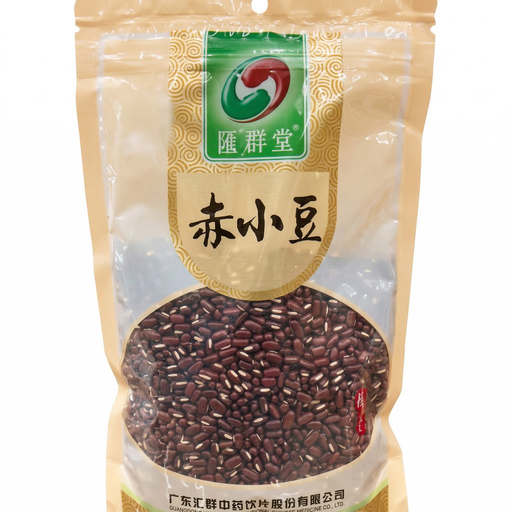
Why This Fits Their Persona: A manageable pack for UK shoppers trying homemade red bean soup, porridge or desserts without committing to a larger quantity.
It is a plain dried bean product, so you are not paying for pre-sweetened filling when you want control over the recipe.
400g pack; suitable for sweet soups, porridge, desserts, soups and stews.

Why This Fits Their Persona: Suitable for shoppers who want a clearly specified single-ingredient product for traditional recipes and careful pantry planning.
The ingredient list states red beans only, avoiding hidden sugar, oil or flavourings found in prepared fillings.
454g pack; listed for red bean paste, soup, porridge and eight-treasure porridge.
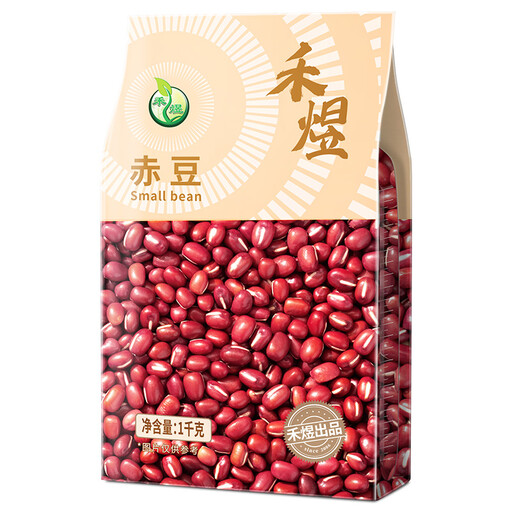
Why This Fits Their Persona: A practical choice for larger households, frequent batch cooking or regular preparation of soups, congee and red bean desserts.
The 1kg size reduces the need to buy several small packs, while the plain ingredient list keeps it adaptable.
1kg net quantity; suitable for stovetop cooking or boiling; no listed salt.
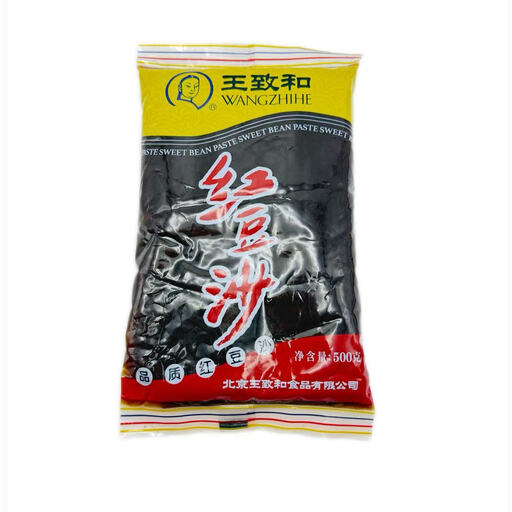
Why This Fits Their Persona: Designed for bakers making mooncakes, buns, pancakes or sweet fillings when soaking and cooking beans from scratch is inconvenient.
It is ready to use, so there is no uncertainty about bean tenderness or paste consistency during baking preparation.
500g pack; ready to eat or warm to a spreadable consistency; suitable for pastries and sweet soups.
We have compiled a complete, real-time list of products that fully satisfy these strict selection criteria and UK safety regulations.
If you want finished Asian red bean products rather than cooking ingredients, consider the occasion and serving format.
Check the pack weight, number of portions, allergen statement and storage instructions before buying, particularly when ordering festival gifts in advance.
In many Asian food listings, “red beans”, “small red beans” and “adzuki beans” refer to the same small bean used in sweet soups, paste and desserts. Always check the ingredient list because “red bean” may be used differently between products.
Rinse the beans, soak them for 4–6 hours or overnight, drain and rinse again, then cook thoroughly until tender. Cooking time varies by product and method. Follow the instructions on the packaging and do not consume them raw or undercooked.
Storage depends on the product. Wangzhihe Red Bean Paste should be refrigerated after opening and consumed within the recommended period. Keep the container sealed and use the label’s instructions rather than relying on a general storage estimate.