
24/7 Customer Support

Free returns

Same-day & Next-day Delivery

Quality Guaranteed

Unlock Your Welcome Offers: FREE Delivery | Up to 80% OFF | Free 30-day JoyPlus trial
Download the APP
Whether you know them as red dates, Chinese dates or dried jujubes, these naturally sweet fruits are a staple in many UK kitchens. They are cherished in traditional East Asian cooking and wellness teas and have found a new audience among home bakers and health-conscious foodies looking for a natural sweetener. However, navigating the market can be tricky. With so many varieties and preparations available, it is easy to end up with a product that doesn't suit your needs.
As a Joybuy Product Recommendation Officer, I see where shoppers often go wrong. Before you add a pack to your basket, let's look at the common pitfalls that can lead to disappointment and wasted money.
To avoid these issues, focus on a few core parameters. A quick check of the packaging can tell you everything you need to know about the product's quality and suitability for your kitchen.
The physical form of the date is the most important factor in matching it to your culinary needs.
Always check the ingredients. For a truly natural product, the list should be very short, ideally just "Red Dates" or "Jujubes (100%)". Be wary of:
While not always stated, the origin can give clues about the date's characteristics. For example, Xinjiang dates from China are often highly regarded for their large size and rich sweetness. You might also see Medjool dates in UK supermarkets; it is important to know that these are a different species entirely. Medjool dates are larger, softer and have a distinct caramel-like flavour, whereas Chinese red dates (jujubes) have a more apple-like, subtly sweet taste.
To help you choose, we have matched some quality options to common user needs. These selections are based on their objective features and suitability for specific applications.
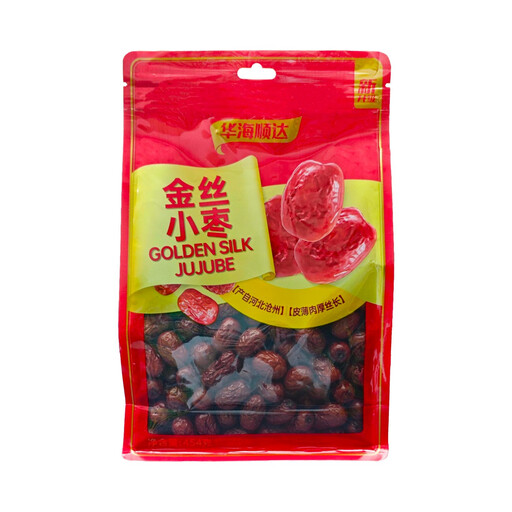
Why This Fits Their Persona: This user needs authentic, whole Chinese dates for slow-cooked soups and wellness teas. The whole format with the pit is essential for achieving a deep, traditional flavour profile.
It contains only 100% jujubes, avoiding the hidden sugar trap. As a whole fruit, it is the correct format for traditional dates for cooking, preventing the "wrong tool for the job" issue.
The product description highlights its plumpness and thick flesh, suggesting good quality. The whole format is ideal for maximum flavour infusion in slow-cooked dishes.
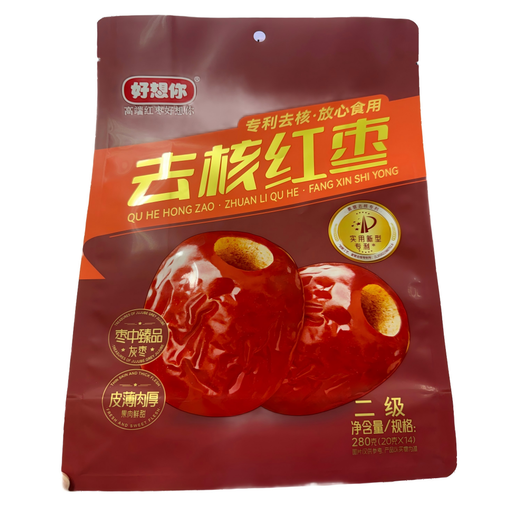
Why This Fits Their Persona: This person wants a convenient, ready-to-eat snack without additives. The seedless dates format is perfect for grabbing on the go or adding to a lunchbox.
With an ingredient list of just "Jujube (100%)", it completely avoids the hidden sugar trap. The pitted, ready-to-eat format is perfectly matched to the snacking use case.
Maximum convenience. Being pitted and ready-to-eat means no prep work is required. The "fresh-locked" description suggests a focus on maintaining a soft, pleasant texture.
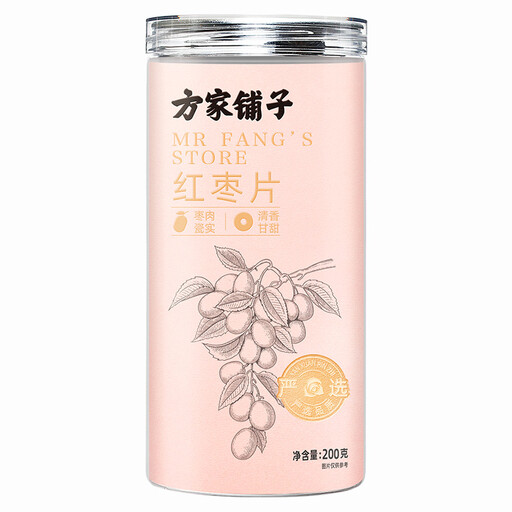
Why This Fits Their Persona: For someone adding dates to porridge, cakes or energy bars, preparation time is a key concern. Pre-sliced dates eliminate the need for chopping, streamlining the cooking process.
This product is 100% pure sliced dates, with no added sugar. The pre-sliced format is the most efficient choice for baking and breakfast toppings, avoiding the inconvenience of using whole dates.
It offers ultimate convenience for incorporating into recipes. The slices ensure even distribution of flavour and texture in baked goods and are perfect for a quick, flavourful tea.
We have compiled a complete, real-time list of products that fully satisfy these strict selection criteria and UK safety regulations.
This is a common point of confusion. They are two different fruits. Chinese red dates (jujubes) come from the Ziziphus jujuba tree and have a mildly sweet, apple-like flavour and a chewy texture. Medjool dates come from the date palm tree (Phoenix dactylifera) and are typically larger, softer and have a rich, caramel-like sweetness. While both can be used as natural sweeteners, their flavour profiles and best culinary uses differ.
For optimal freshness, store your dried red dates in an airtight container in a cool, dry place, away from direct sunlight. For long-term storage, especially in a warm or humid environment, keeping them in the refrigerator is a good way to maintain their texture and prevent them from drying out.
Products labelled as 'no-wash' or 'ready-to-eat' have been processed in a way that makes them clean enough to be consumed directly from the package. While you can eat them straight away for convenience, giving any dried fruit a quick rinse under cool water before use is always a good practice if you have any concerns.