
24/7 Customer Support

Free returns

Same-day & Next-day Delivery

Quality Guaranteed

Unlock Your Welcome Offers: FREE Delivery | Up to 80% OFF | Free 30-day JoyPlus trial
Download the APP
Red kidney beans are a practical store-cupboard ingredient for UK households, but products sold under similar names are not interchangeable. Some are cooked and ready to use, some are dried and require careful preparation, while others come in a seasoned sauce that may not suit every recipe.
The right choice depends on your cooking habits, portion needs and tolerance for added salt or flavourings. Before adding a product to your basket, check these common buying pitfalls.
A 400g tin does not contain 400g of beans. The total weight includes water or sauce, so the usable quantity is lower after draining. For example, a standard 400g tin may provide roughly two portions, depending on the recipe and serving size.
If you are batch-cooking kidney beans for chilli or a large family meal, compare the drained weight, not just the net quantity printed on the front.
Canned red kidney beans and tinned kidney beans are generally cooked before packaging and can be added to recipes after draining and rinsing. Dried red kidney beans are different: they need soaking and thorough cooking.
Do not eat dried kidney beans raw or undercooked. Natural lectins can cause gastrointestinal discomfort, so follow the preparation instructions on the packaging and cook them until tender.
Plain red kidney beans in water provide more recipe flexibility than beans in chilli sauce. A seasoned product may already contain tomato purée, sugar, starch, salt and spices. This can be convenient for a quick meal, but it may alter the flavour and nutritional profile of a recipe.
Always read the ingredients list if you need vegetarian beans, vegan beans, low-salt options or a neutral base for salads and soups.
Choose ready-to-use kidney beans if you need a quick ingredient for a midweek dinner. Canned beans can be rinsed, stirred into a simmering dish and heated thoroughly.
Dried beans are more suitable for households that cook in larger batches and want to control soaking, seasoning and texture. They generally require more planning, water and cooking time, but a larger bag may work well for frequent home cooks.
For the greatest versatility, look for a short ingredients list such as red kidney beans and water. Some products also contain salt, sugar, acidity regulators or firming agents. These are not automatically unsuitable, but they are worth checking against your recipe and dietary preferences.
Beans in water are useful for salads, rice dishes, soups and stews because they do not introduce a strong sauce. Beans in chilli sauce are more targeted towards quick, mildly spiced meals.
Nutrition figures should be compared on the same basis. In the supplied range, examples include:
These figures are product-specific, so check the current packaging before purchase. If you are looking for high-fibre beans or a plant-based protein ingredient, compare fibre and protein alongside salt rather than relying only on front-of-pack wording.
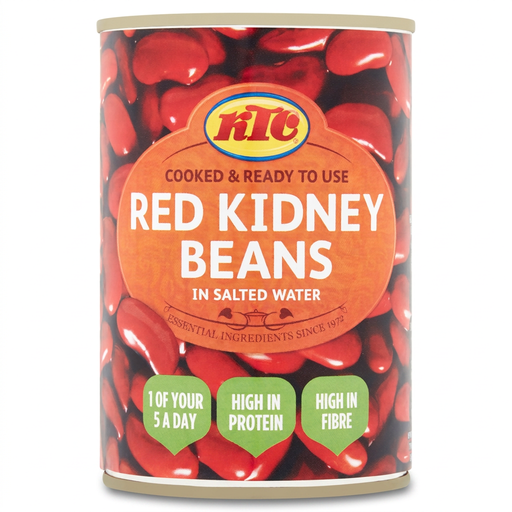
Why This Fits Their Persona: A straightforward cooked option for first-time buyers, students and households wanting an affordable ingredient for chilli, salads or rice dishes.
It is labelled cooked and ready to use, helping avoid the time and safety considerations associated with dried beans.
400g format; 4.3g fibre and 4.6g protein per 100g drained; suitable for vegetarians.
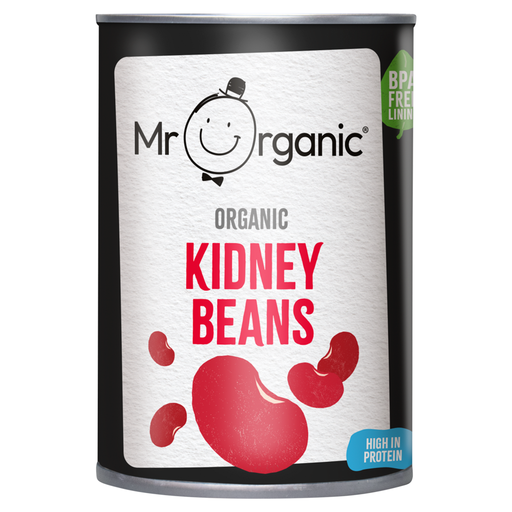
Why This Fits Their Persona: Suitable for shoppers who prioritise organic certification and a simple ingredient list for plant-based meals.
The listing specifies organic beans and water, with no added sugar or salt, rather than relying only on broad wellness language.
Organic ingredients; 7.8g fibre and 7.9g protein per 100g drained; suitable for plant-based diets.
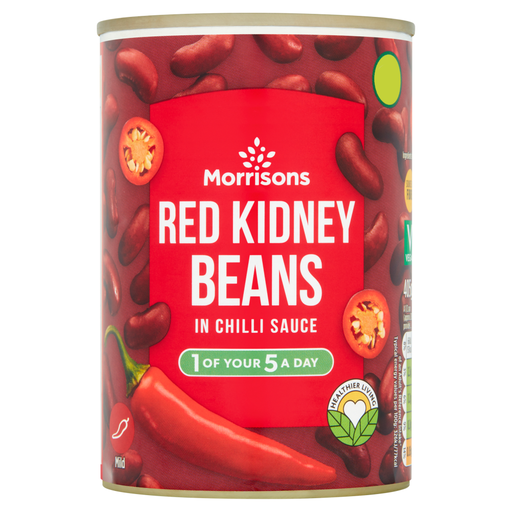
Why This Fits Their Persona: A convenient choice for busy families and batch-cooking households preparing a quick mild chilli-style meal.
The product is clearly identified as beans in chilli sauce, so buyers can choose it knowingly rather than mistaking it for plain beans in water.
Mild chilli flavour; suitable for vegans; can be heated on the hob or in a microwave.
We have compiled a complete, real-time list of products that fully satisfy these strict selection criteria and UK safety regulations.
Most canned red kidney beans are cooked and ready to use, although the label may recommend heating thoroughly before serving. Drain and rinse them if preferred, then add them to a hot recipe or heat them according to the pack instructions.
Dried kidney beans should be washed, soaked and thoroughly cooked until tender, following the product instructions. Soaking can help reduce preparation time, but it does not replace proper cooking. Never eat dried beans raw or undercooked.
Plain red kidney beans in water are useful when you want to control the tomato, spice and salt levels yourself. Beans already packed in chilli sauce are more convenient for a quick meal, but check the ingredients and flavour strength before adding them to a family recipe.