
24/7 Customer Support

Free returns

Same-day & Next-day Delivery

Quality Guaranteed

Unlock Your Welcome Offers: FREE Delivery | Up to 80% OFF | Free 30-day JoyPlus trial
Download the APP
Red kidney beans are a practical store-cupboard ingredient for chilli, soups, stews, salads and plant-based meals. However, choosing the right pack involves more than comparing prices. The main differences are whether the beans are ready to use, how much salt or liquid they contain, and whether you are actually buying kidney beans or a different type of red bean.
This guide explains the key checks for UK shoppers, including vegans, vegetarians, families and home cooks who want dependable ingredients without paying for unnecessary marketing claims.
“Red beans” can describe several different pulses. Red kidney beans are usually larger and kidney-shaped, while red adzuki beans and red mung beans are smaller and commonly used in porridge, sweet pastes and desserts. They are not interchangeable in every recipe.
For example, dried adzuki beans can work well in red bean soup or a sweet filling, but they will not provide the same appearance or texture as kidney beans for chilli. Check the regulated product name and ingredients rather than relying only on the front of the packaging.
Nutritional values for tinned red kidney beans are generally shown per 100g drained weight, whereas dried red beans are listed before cooking. A dry product may appear higher in calories, carbohydrate and protein because it has not absorbed water.
Also check the drained weight of canned red kidney beans. A 400g tin does not contain 400g of beans: for example, Morrisons Organic Red Kidney Beans In Water 400g lists a 255g drained weight. Comparing net pack weight alone can make one product seem better value than another.
Tinned beans are cooked and ready to use, but they should still be heated thoroughly when added to a hot meal. Once opened, transfer leftovers to a non-metallic container, refrigerate and follow the pack’s use-by guidance. The supplied product information gives two days for Morrisons Organic beans and three days for Cooks & Co beans, so storage instructions can vary.
Dried kidney beans and related dried red beans require soaking and thorough cooking. Do not eat them raw or undercooked, as natural lectins may cause gastrointestinal discomfort.
Choose tinned red kidney beans when you need a quick ingredient for a weekday chilli, salad or soup. They usually need draining, rinsing if preferred and reheating. This convenience can reduce preparation time and avoid the need to plan soaking.
Choose dried red beans when you cook larger batches, want to control the final texture, or need beans for desserts, porridges and traditional dishes. Allow time for soaking and cooking, and check the instructions because cooking times vary by bean type and age.
A short ingredient list is easy to compare. Some products contain only beans and water, while others include salt. KTC Red Kidney Beans 400g lists red kidney beans, water and salt, with 0.45g salt per 100g drained. Morrisons Organic Red Kidney Beans In Water lists organic red kidney beans and water, with trace salt per 100g drained.
For shoppers monitoring salt intake, compare the nutrition table rather than relying on phrases such as “natural” or “healthy”. For organic products, look for the relevant certification details on the label. The Morrisons product information lists EU Organic certification IT-BIO-009, while Mr Organic Organic Red Kidney Beans 400g lists IT-BIO-007.
For kidney beans for chilli, look for cooked beans that remain whole when stirred into a sauce. For kidney beans for salads, a firmer texture can be useful. Beans for soups and stews may be softer, as they will continue cooking in the dish.
Dried adzuki beans and red mung beans are more suitable for recipes where a smooth or soft texture is wanted, including porridge, sweet soups and fillings. Always read the cooking instructions before substituting one for another.
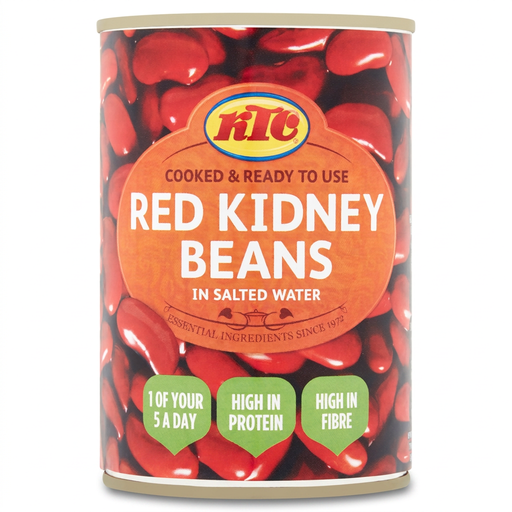
Why This Fits Their Persona: A straightforward ambient tin for shoppers starting to build a supply of vegan or vegetarian kidney beans for everyday meals.
The ingredients and drained nutrition are clearly stated, making it easier to account for added salt.
Cooked and ready to use; suitable for vegetarians and labelled as high in protein and fibre.
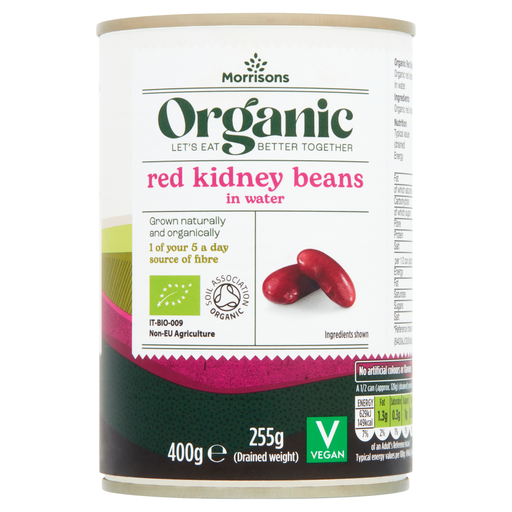
Why This Fits Their Persona: A convenient organic option for shoppers who prefer a simple ingredient list and measured portions.
Its organic certification and drained weight are supplied, so you do not need to infer them from front-of-pack wording.
Organic red kidney beans in water; 6.7g fibre and 8.6g protein per 100g drained.
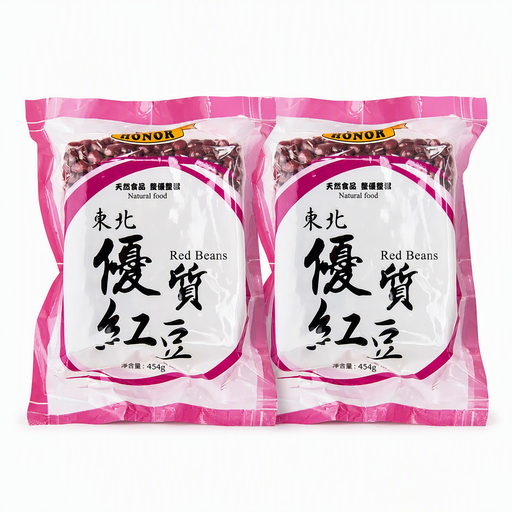
Why This Fits Their Persona: A larger dried-bean multipack for regular batch cooking, porridge, red bean soup and dessert fillings.
The pack states that soaking and thorough cooking are required, helping prevent unsafe shortcuts.
908g total pack size; dry-bean nutrition lists 20.5g protein per 100g.
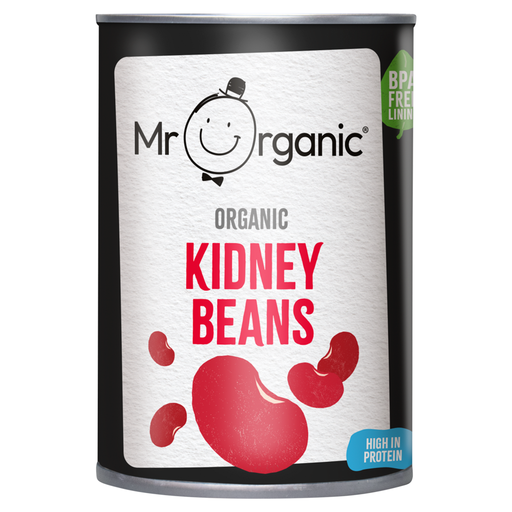
Why This Fits Their Persona: A ready-to-use organic tin for vegans and vegetarians assembling salads, wraps and weeknight dishes quickly.
The label identifies organic beans and water, with no added sugar or salt listed in the product features.
Suitable for plant-based diets; 7.8g fibre per 100g drained.
We have compiled a complete, real-time list of products that fully satisfy these strict selection criteria and UK safety regulations.
Yes. Tinned red kidney beans are generally rehydrated and cooked before being sealed, so they can be added directly to recipes. Drain them first and heat them thoroughly when serving in a hot dish. Follow the storage instructions on the individual tin after opening.
Usually, yes. Soaking helps rehydrate the beans before cooking, but the exact method and duration should come from the packaging. Dried beans must then be thoroughly cooked until tender. Do not use raw or undercooked kidney beans in salads, chilli or other dishes.
Red adzuki beans and some other dried red beans are commonly used for sweet soups, porridge and fillings. Kidney beans have a different size, skin and texture, so check the recipe before substituting. For desserts, choose a dried product that specifically identifies the bean type and provides soaking and cooking instructions.