
24/7 Customer Support

Free returns

Same-day & Next-day Delivery

Quality Guaranteed

Unlock Your Welcome Offers: FREE Delivery | Up to 80% OFF | Free 30-day JoyPlus trial
Download the APP
If you're exploring ways to support the health of your hair and scalp, you've likely come across the growing category of at-home beauty tools. The red light hair brush, in particular, is gaining attention as a non-invasive option for those concerned with thinning hair or seeking a healthier-looking mane. However, the market is filled with devices making bold claims, and it's easy to invest in a gadget that ends up being more frustrating than functional.
As a Joybuy Product Recommendation Officer, my role is to help you navigate these choices. Before you buy, let's look at a few common pitfalls that can lead to disappointment and wasted money.
To make a smart purchase, focus on the practical design elements that determine a device's effectiveness. Here are the non-negotiable factors to analyse.
The primary function of a red light hair brush is to deliver light energy directly to the scalp. For this to happen, the device needs to effectively part the hair. Look for brushes with flexible bristles, often made of silicone, that can bend and adapt to the contours of your head. This ensures the LED scalp treatment isn't blocked by your hair, allowing for better coverage and a more comfortable experience. The goal is for the light emitters to get as close to the skin as possible without causing irritation.
Many modern hair growth combs incorporate additional features to enhance the experience. Understanding them helps you decide if you need a simple or multi-functional tool.
Consider how the device will fit into your daily life. A cordless, lightweight model offers the most flexibility for an at-home hair loss treatment routine. Check the battery life and charging time. A device that holds its charge for several sessions is far more convenient than one that needs constant recharging. The overall design should feel balanced and comfortable in your hand, making it easy to manoeuvre across your entire scalp.
Instead of a one-size-fits-all approach, we've matched our recommendations to different user needs and preferences.
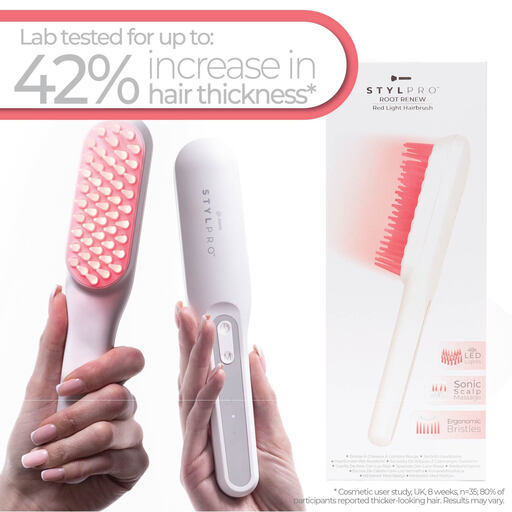
Why This Fits Their Persona: Ideal for someone who wants to add red light therapy to their routine without unnecessary complexity. Its straightforward, dedicated function makes it easy to use consistently.
It avoids the "poor delivery" trap with flexible silicone bristles designed to part hair and allow the 655nm red light to reach the scalp effectively.
Combines red light with gentle massaging vibrations. Its compact, cordless design makes it simple to handle and store.
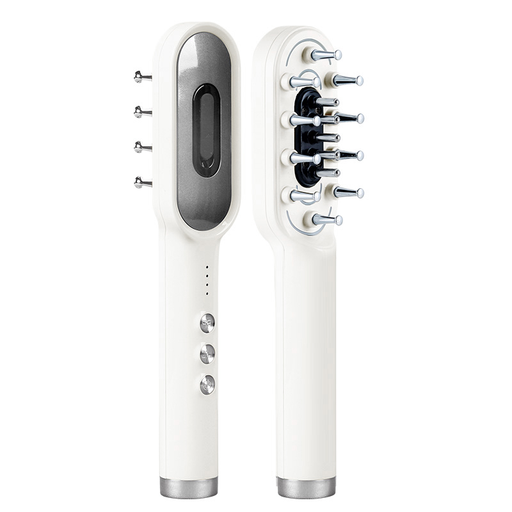
Why This Fits Their Persona: Perfect for the tech-savvy user who wants an integrated scalp care system. It combines multiple technologies to create an efficient, all-in-one routine.
It counters the "over-complicated gadget" flaw with a removable liquid storage tank. This thoughtful design makes it easy to clean and prevents the clogging issues that plague many infusion devices.
Features quadruple LED light therapy, EMS microcurrent for scalp stimulation and a serum infusion function, consolidating several care steps into one.
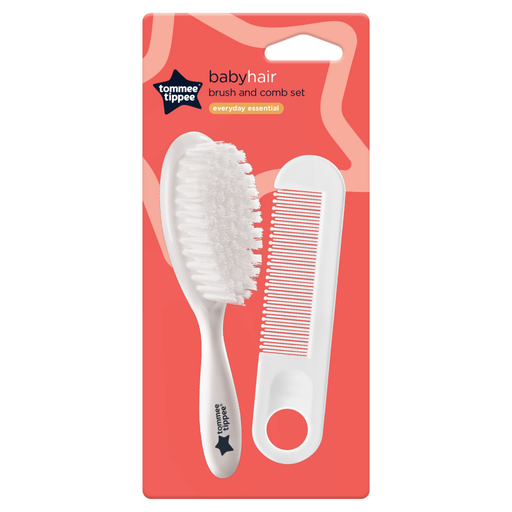
Why This Fits Their Persona: For those on a strict budget or who prefer a simple, tactile approach. This set provides the tools for a gentle, manual scalp massage to support scalp wellness without any electronics.
It completely sidesteps all tech-related pitfalls. There are no batteries to charge, no complex functions to learn and no risk of electronic failure. It is a purely mechanical tool.
The extra-soft bristles are exceptionally gentle, making the brush suitable for a soothing massage on even sensitive scalps. It is an extremely affordable entry point to better scalp care.
Most manufacturers suggest using the device for 10-15 minutes per session, about 3 to 4 times a week. Consistency is more important than session length. Always refer to the specific instructions provided with your product for the recommended usage.
It is generally not recommended. Firstly, for safety reasons, most electronic devices should not be used on wet hair unless explicitly stated as waterproof. Secondly, red light is thought to penetrate the skin more effectively when the scalp is dry and clean. Water on the skin and hair can reflect or absorb the light, potentially reducing its effectiveness.
Both are forms of light therapy, but they use different types of light. A red light hair brush typically uses Light Emitting Diodes (LEDs), which produce a broader, more diffuse light. A laser comb uses focused beams of coherent light. Both aim to deliver light energy to the scalp, but the technology and the way the light is dispersed are different. LED devices are widely available for at-home use.