
24/7 Customer Support

Free returns

Same-day & Next-day Delivery

Quality Guaranteed

Unlock Your Welcome Offers: FREE Delivery | Up to 80% OFF | Free 30-day JoyPlus trial
Download the APP
Red split lentils are a practical cupboard staple for UK households. They cook faster than many whole pulses, work well in red lentil dal, soups and curries, and can add plant-based protein and fibre to family meals. However, choosing the wrong pack can lead to unnecessary cost, unsuitable textures or confusion over whether a product is a dry ingredient, ready meal or snack.
This guide explains what to check before you buy red split lentils online, then matches selected products to different shopping needs.
Nutrition panels are not always presented in the same format. A dry lentil label may show considerably higher calories, carbohydrates and protein per 100g than a cooked product because cooking adds water and increases the serving weight.
For example, Morrisons Red Split Lentils 500g lists values as consumed, including 96 kcal, 6.1g fibre and 7.4g protein per 100g. By contrast, Laila Red Split Lentils 500g lists values per 100g dry, including 340 kcal, 26g protein and 26g fibre. These figures should not be compared directly without checking the preparation state.
Bulk red lentils can offer convenience for meal prep, families and caterers, but a 5kg bag needs suitable storage space and regular use. If you only make dal occasionally, a 500g red lentils pack may be more practical and easier to keep fresh after opening.
A large bag can also be less suitable for kitchens where different family members have varying dietary requirements or where cupboard space is limited.
Dry split red lentils, ready-to-eat lentil dishes, lentil cakes and lentil-based baby snacks serve different purposes. A ready meal cannot replace an unseasoned ingredient when you need to control salt and spices, while a snack product is not a direct substitute for cooking lentils.
Always check the ingredient list, age guidance, allergens and preparation instructions rather than relying only on the word “lentil” on the front of the packaging.
For a simple everyday ingredient, look for red lentils or red split lentils as the only ingredient. Morrisons Red Split Lentils and Laila Red Split Lentils 500g both list red lentils at 100%. Biona Organic Red Split Lentils 500g lists certified organic red split lentils as its ingredient and states that no allergens are present.
Even when lentils themselves do not contain gluten, packaging may include a “may contain cereals containing gluten” warning. This matters for people managing coeliac disease or other medically diagnosed allergies. Read the current pack label before purchase, as product information can change.
Many red split lentils are quick-cook lentils and do not require overnight soaking. Laila’s 500g pack advises rinsing, bringing the lentils to the boil and simmering for 15–20 minutes until tender. This makes them suitable for weeknight red lentil soup, vegetable stews and quick curries.
Rinsing is still important. Inspect natural dry pulses for unwanted material, then cook them thoroughly. Do not eat dry or undercooked lentils. Follow the pack instructions and ensure cooked food is piping hot, particularly when reheating portions.
Choose the quantity according to how often you cook:
Store dry lentils in a cool, dry place. Once opened, transferring them to an airtight container can help protect them from humidity and cupboard pests. Check the best-before information on the pack and avoid purchasing packaging that appears damaged.
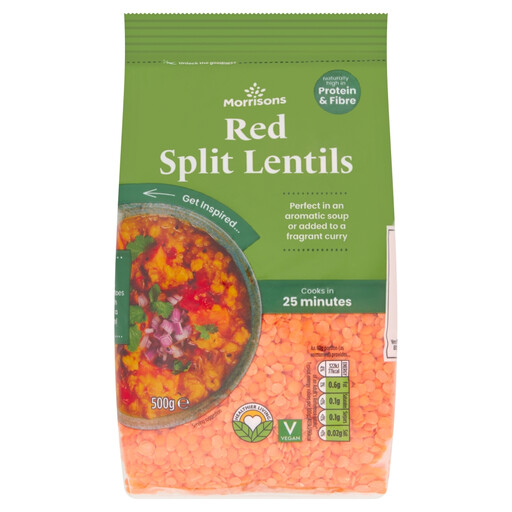
Why This Fits Their Persona: A manageable 500g quantity suits shoppers trying red lentils for the first time or cooking occasional weekday dals, soups and curries.
The pack size limits the risk of overbuying, while the ingredient list identifies red lentils at 100%. The label also clearly states that its nutrition figures are for the product as consumed.
500g pack; 100% red lentils; suitable for dal recipes with sweet potato, tomatoes and spices.
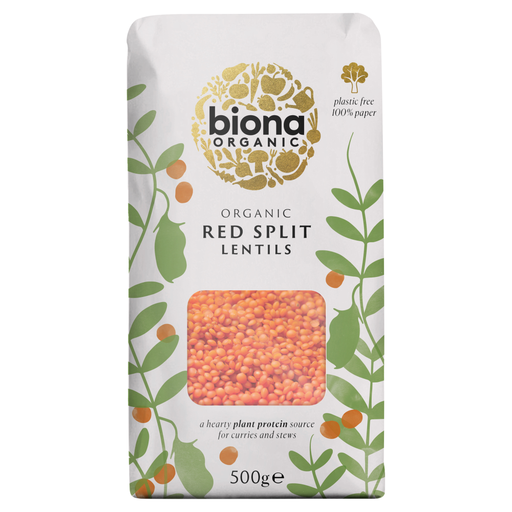
Why This Fits Their Persona: Suitable for shoppers prioritising organic certification and a straightforward store-cupboard ingredient for curries, soups and stews.
The listing identifies the ingredient as certified organic and provides a clear nutrition panel, rather than relying only on broad wellness language.
Certified organic ingredient; 11g fibre and 24g protein per 100g as listed on the product nutrition panel.
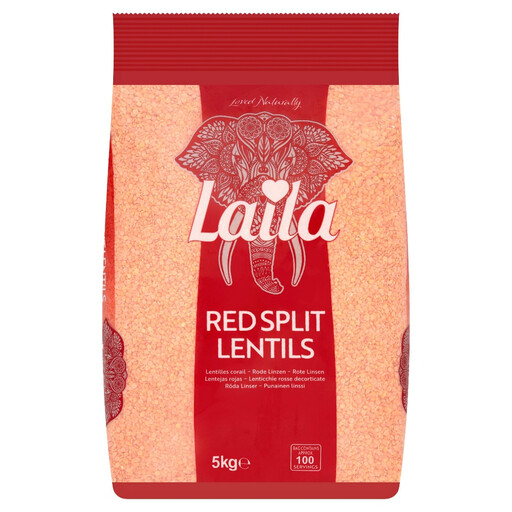
Why This Fits Their Persona: A large-capacity pack is suited to families, meal preppers, community kitchens and caterers that regularly prepare vegetarian or vegan lentil dishes.
Its 5kg capacity is clearly stated, helping regular users compare quantity properly instead of buying multiple small packs. The listing also provides cooking and storage guidance.
5kg net quantity; no soaking required; suitable for batch cooking dals, curries and soups.
We have compiled a complete, real-time list of products that fully satisfy these strict selection criteria and UK safety regulations.
Rinse dry lentils under cold water before cooking and remove any visible foreign material. Add them to fresh water or stock, bring to the boil and simmer until soft. Cooking times vary by product and recipe, but split red lentils commonly become tender in around 15–20 minutes.
Their soft texture is useful for red lentil soup, smooth sauces, dhal and thickened stews. For a curry, combine them with tomatoes, onions, garlic, cumin or other spices, then serve with rice, flatbreads or vegetables. Store leftovers promptly according to food-safety guidance and reheat until piping hot.
Usually, no. Many packaged red split lentils are designed to cook after rinsing and simmering. Always follow the instructions on the specific pack, as cooking times and water quantities can differ.
Plain red lentils are plant-based and can be used in vegan lentil recipes, vegetarian curries, soups and stews. Check prepared products carefully, because seasoning, sauces or flavourings may contain milk, mustard or other allergens.
A 500g pack is a practical starting point for occasional cooking or smaller households. Consider bulk red lentils such as a 5kg pack only if you cook lentil-based meals frequently and can store the product in a cool, dry, airtight environment.