Shared-kitchen cake bakers
You mainly make cakes such as red velvet and want a cake-mixing tool and speed control without occupying the worktop for longer than necessary.


For a usual household cake batch, choose a stand mixer with a suitably sized bowl, a supplied cake-mixing tool and controllable speeds; favour a compact model if worktop or cupboard space is tight. A larger model with two bowls or in-bowl weighing makes more sense when you regularly prepare several cakes or separate batter and frosting. In a shared kitchen, check how each food-contact part is cleaned and agree who cleans it before the next person uses it.
You mainly make cakes such as red velvet and want a cake-mixing tool and speed control without occupying the worktop for longer than necessary.
You put the mixer away between uses or need to leave room for other residents. Its stored dimensions and the effort of moving it matter more to you than capacity for several cakes at once.
You prepare several cakes or make batter and frosting in succession. A second bowl or in-bowl weighing may simplify that routine, provided the equipment also fits the shared space and everyone can clean the parts they use.
Start with the cleaning routine and the space available to every user, then match the bowl and supplied tools to the number of cakes you normally make.
| Concern | What to check | Who this matters to |
|---|---|---|
| Cleaning and handover | Check the care instructions for the exact bowl and food-contact tools, and agree how users will clean them before handover. | If I share the mixer with people using different ingredients, I need to inspect and clean its food-contact parts before someone else takes over. Around 45% of consumers would put cleaning and cross-contact first. |
| Worktop and storage space | Measure the storage spot and the space needed to use the mixer, including clearance to raise a tilt head. | When cupboard and worktop space are shared, I need a machine I can realistically put away and bring out again. Space is the primary concern for around 33% of consumers. |
| Batch workflow | Match the bowl and supplied cake-mixing tool to your usual batch; consider whether a second bowl or in-bowl weighing would help. | If I make several cakes or prepare frosting after the batter, I want enough capacity without repeatedly stopping to wash the bowl. Around 22% of consumers would prioritise that batch workflow. |
A power rating does not tell you whether the bowl, supplied tools or physical size suit your cake batches and shared worktop.
Compare the exact model’s bowl, cake-mixing tool, speed controls, dimensions and cleaning instructions before deciding.
Manufacturer figures show why model size matters: Bosch Home UK lists its compact Series 2 at 27 × 27 × 28 cm and 3.0 kg, while Kenwood GB lists the Titanium Chef Baker XL KVL85.004SI at 22.5 × 37 × 40 cm and 11.5 kg. Those figures apply to the cited series and model, not every mixer from either brand.
Measure the cupboard and worktop, then allow room to lift the mixer head or add ingredients.
Bosch describes accessories for its MUMS2VM40G as generally dishwasher-safe; that does not establish the care instructions for every component or for a different model.
Check the manual for each bowl, beater and other food-contact part. Clean the motor housing only as the manufacturer instructs.
A private shared household and a kitchen used as a food business call for different checks. GOV.UK food-business guidance requires regular cleaning of equipment and utensils; its allergen checklist for England, Wales and Northern Ireland addresses cross-contamination and instructions for cleaning tools.
If food is prepared as a business, establish a cleaning and allergen-management process and check the requirements that apply to the business and its location.
Its Series 2 range is worth examining when cupboard or worktop space is the main constraint.
The 5KSM125 is a mid-capacity tilt-head option for a conventional cake-mixing setup.
The Titanium Chef Baker XL KVL85.004SI is a larger-format option for people who regularly manage several baking tasks.
These Joybuy stand mixers offer options to consider for cake batter, from models aimed at limited space to those worth examining for a different batch routine. Check each exact configuration against your storage space, supplied tools and cleaning routine.
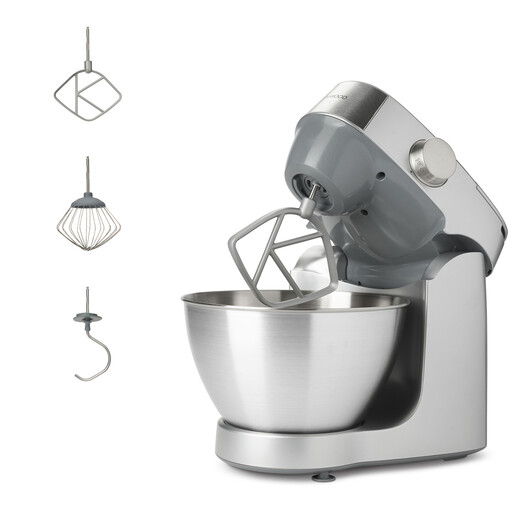 No image available
Consider this model when a smaller cake-batter setup and a shared clean-up routine matter. Its product name specifies a 4.3 L bowl, 1000 W rating and three bowl tools; check that its supplied mixing beater suits your recipe.
Confirm the care instructions for each part you intend to wash. A dough limit should not be treated as a cake-batter capacity.
 No image available
Consider this model if weighing ingredients into the bowl would help you prepare cake batter on a busy shared worktop. Check that its storage position is practical and follow the care instructions for each food-contact part.
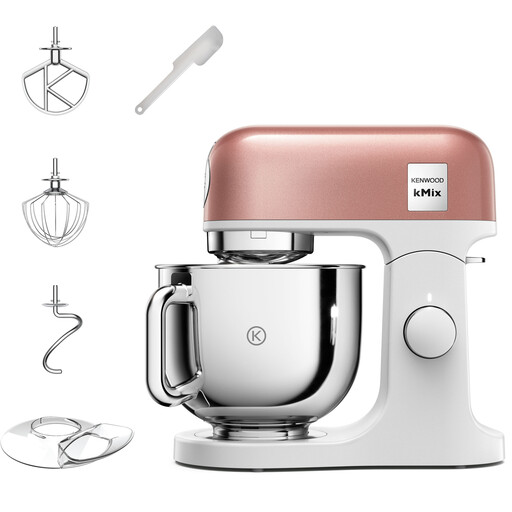 No image available
Consider this tilt-head model if access to the bowl and a K-beater for cake batter suit your routine. Check whether moving it between uses is practical, and consult the exact bowl and tool instructions before putting any part in a dishwasher.
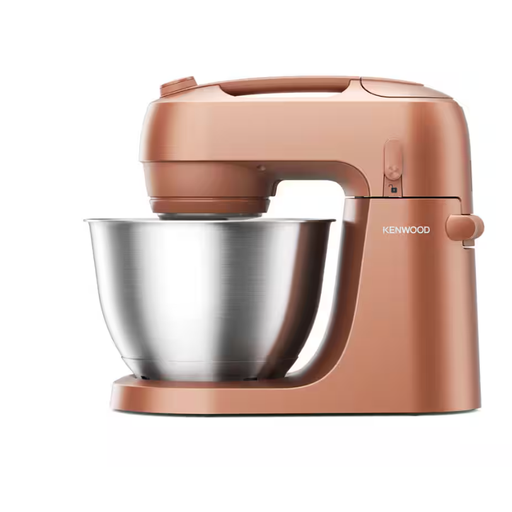 No image available
Consider this model if you need to put a cake-batter mixer away after use. Measure the storage spot and head clearance, then check the care instructions for its bowl and tools before agreeing a shared washing-up routine.
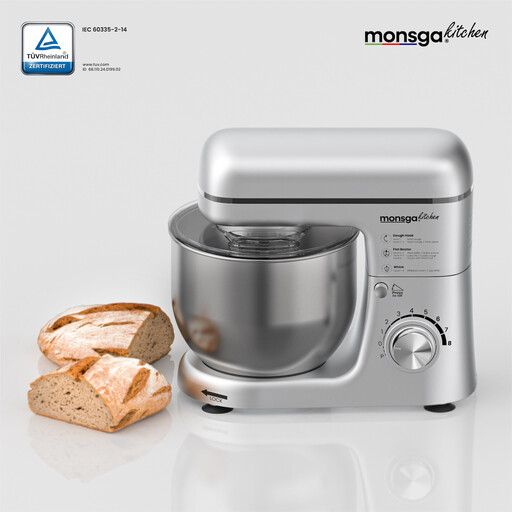 No image available
Consider this model if you want to assess a larger bowl for your usual cake batches. Its product name lists eight speed settings, a whisk and 1000 W peak power; peak power is not a cake-capacity measure.
Check that the exact SKU includes the cake-mixing beater you need, and confirm cleaning instructions for the bowl and each tool before purchase.
Look for a bowl that suits your usual cake batch, a supplied paddle or similar cake-mixing tool, and controllable speeds. KitchenAid UK lists a paddle and 10 speeds for its 4.7 L 5KSM125; Bosch Home UK lists a smaller 3.8 L usable bowl and seven speeds plus pulse for the MUMS2VM40G. Choose capacity for the cakes you actually make, while allowing enough room to use and clean the mixer in your shared kitchen.
Only put a part in the dishwasher when the care instructions for that exact model and part allow it. Bosch describes MUMS2VM40G accessories as generally dishwasher-safe, which does not confirm every removable component or the mixer body. Check the bowl, beater and any splash guard individually.
Agree who cleans the food-contact parts after each use and check them before the next person starts. If the kitchen operates as a food business, GOV.UK food-business guidance requires regular cleaning of equipment and utensils; its allergen checklist for England, Wales and Northern Ireland also addresses cross-contamination and clear cleaning instructions. Check the requirements applicable to your business and location.
Not necessarily: a larger bowl is worth considering if you often make several cakes, but its benefit must be weighed against the space the mixer occupies. Measure where it will be used and stored, then compare the exact model’s stated cake capacity with your usual batch rather than choosing by bowl volume alone.