
24/7 Customer Support

Free returns

Same-day & Next-day Delivery

Quality Guaranteed

Unlock Your Welcome Offers: FREE Delivery | Up to 80% OFF | Free 30-day JoyPlus trial
Download the APP
Buying red wine 75cl online should be straightforward, but labels and marketing descriptions can make comparison difficult. A familiar grape does not always indicate the same taste, while attractive packaging may tell you little about alcohol content, serving style or food compatibility.
This guide explains the practical details to check before ordering red wine online, then matches a selection of bottles to different shopping needs.
Cabernet Sauvignon, Merlot, Malbec and Shiraz are useful starting points, but the finished wine also depends on the region, vintage, blend and ageing. An Australian red wine may taste fruit-forward and generous, while a French red wine from the Rhône may offer more herbal and peppery notes. Italian red wine can range from light and fresh Valpolicella to structured Chianti.
Treat the grape name as a guide rather than a guarantee. If you prefer softer tannins, look for descriptions mentioning smooth, rounded or supple. For a more structured wine, terms such as full-bodied, firm tannins or oak-aged may be relevant.
A bottle at 14% ABV is not automatically superior to one at 11% or 12.5%. Alcohol affects body, warmth and the number of UK units in the bottle. A 75cl bottle at 13.5% ABV contains approximately 10.1 UK units, while an 11% bottle contains around 8.3 units.
Check the alcohol percentage and serving information before buying, especially if you are ordering several bottles for a dinner or gathering. UK Chief Medical Officers advise that adults should not regularly exceed 14 units per week.
Most wine contains sulphites, which must be declared as an allergen. Vegan red wine and vegetarian red wine are available, but suitability can vary because some wines use animal-derived fining agents. Look for a clear vegan or vegetarian statement on the product page and check the packaging if the information is important to you.
Storage is another overlooked detail. Most everyday wine is designed to drink now rather than keep for many years. Store unopened bottles in a cool, dark place away from heat and sunlight. Once opened, re-cork and refrigerate where suitable, then follow the product guidance.
A standard 75cl bottle provides six 125ml glasses. This format suits a wine for dinner, casual hosting, gifting and household cupboards. If you are drinking alone or want to limit waste, a small bottle red wine may be more practical. A 187ml red wine bottle generally provides one generous glass or two smaller servings.
Check that the listing says 75cl, 750ml or 750ml equivalent. Product titles can occasionally contain typographical errors, so compare the title with the net quantity shown in the description or on the label image.
Use ABV to compare strength, not as a quality ranking. Product details may also provide units per bottle or per 125ml glass. Serving temperature can change the experience: lighter reds such as Valpolicella are often enjoyable slightly cool, while fuller Cabernet Sauvignon, Malbec or Rioja styles are commonly served around 16–20°C.
Avoid serving red wine too warm, particularly in a centrally heated room. A short period in the fridge can make a lighter bottle feel fresher.
Region can help narrow your choice:
For food pairing red wine, match intensity rather than following rigid rules. Merlot works with pasta, roast meats and mild cheeses; Malbec suits grilled meat and rich stews; Chianti complements tomato sauces and Côtes du Rhône can accompany hearty casseroles or mature cheese.
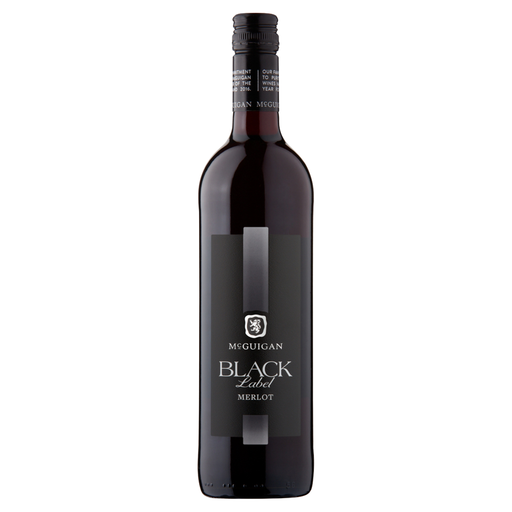
Why This Fits Their Persona: A 12.5% Australian Merlot with red fruit, cherry and sweet spice notes, suited to shoppers who want an approachable everyday bottle without complicated terminology.
The listing identifies the grape, country, ABV and bottle units, helping beginners compare practical facts rather than relying on packaging alone.
12.5% ABV; listed as suitable for vegetarians and vegans; pairs with roast beef or lentil-based dishes.
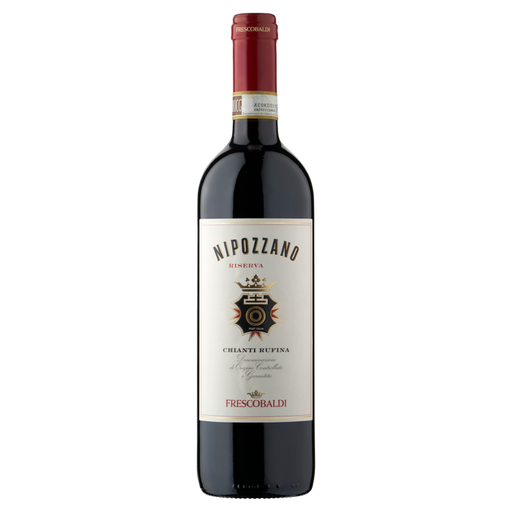
Why This Fits Their Persona: A Chianti Rufina Riserva with Sangiovese-led fruit, spice, oak notes and 13.5% ABV for shoppers planning a formal dinner or considered gift.
The product information explains the grape blend, region, ageing profile and suggested serving temperature, giving more context than a generic “premium” label.
DOCG Chianti Rufina designation; vegan and vegetarian suitable; designed for robust meat dishes, stews and aged cheese.
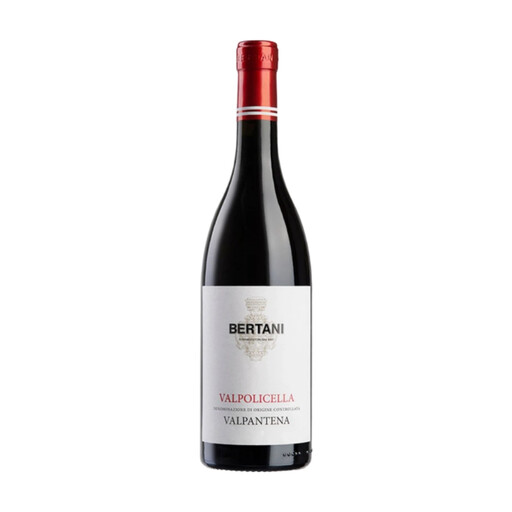
Why This Fits Their Persona: A 12.5% Italian red with cherry, wild strawberry and soft tannins, making it suitable for frequent weeknight meals and informal hosting.
Its lighter-to-medium body and soft tannins offer a clear alternative to choosing a heavy red for every dish.
Vegan and vegetarian suitable; pairs with antipasti, tomato pasta, vegetable risotto and grilled chicken.
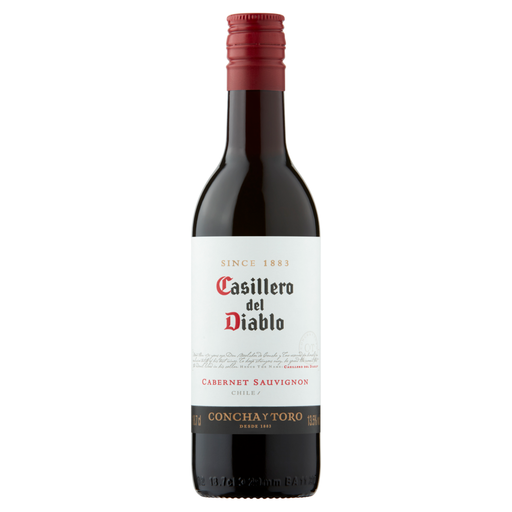
Why This Fits Their Persona: A compact Chilean Cabernet Sauvignon for one-person meals, gifts, travel or occasions when opening a full 75cl bottle is unnecessary.
The 187ml format reduces the likelihood of leaving an opened bottle unused, while the listing clearly states 13.5% ABV and approximately 2.5 units.
Single-serving format; cassis and black cherry flavour description; suitable for serving at 18–20°C.
We have compiled a complete, real-time list of products that fully satisfy these strict selection criteria and UK safety regulations.
A 75cl bottle contains 750ml. At the common UK serving size of 125ml, that is six glasses. Larger pours contain more alcohol units, so check the ABV and measure servings carefully.
Most everyday red wine is best consumed within two to five days after opening, depending on the style and storage instructions. Re-cork the bottle and refrigerate it where appropriate. Always follow the product label, as guidance can differ.
Some wines are labelled suitable for both vegans and vegetarians, while others only state that they contain grapes and sulphites. Fining processes vary, so check the product listing and packaging for a clear suitability statement before ordering.