
24/7 Customer Support

Free returns

Same-day & Next-day Delivery

Quality Guaranteed

Unlock Your Welcome Offers: FREE Delivery | Up to 80% OFF | Free 30-day JoyPlus trial
Download the APP
Buying a red wine 75cl bottle online should be straightforward, yet product descriptions can make comparison unnecessarily difficult. A standard 75cl bottle contains 750ml, usually enough for around six 125ml glasses, but the style, strength, grape variety and serving occasion can vary considerably.
Three common pitfalls are worth avoiding:
The grape blend is one of the clearest indicators of style.
Do not choose by grape name alone. If you prefer an easy-drinking bottle for a weeknight meal, look for medium-bodied wording and moderate tannins. For roast beef or a rich stew, a full-bodied red wine with more structure may be more suitable.
Alcohol content is normally shown as ABV, or alcohol by volume. The approximate calculation is:
ABV × bottle size in millilitres ÷ 1,000 = UK units
For example, a 14% ABV, 750ml bottle contains approximately 10.5 units. A 13.5% ABV bottle contains approximately 10.1 units. A standard 125ml glass is about 1.7–1.8 units for wines in this range.
UK adults should follow current low-risk drinking guidance and avoid drinking more than 14 units regularly in a week. Alcohol is for adults aged 18 and over. It should be avoided during pregnancy, and you should never drink and drive.
Wine commonly contains sulphur dioxide or sulphites, which must be declared when present above the relevant threshold. Anyone sensitive to sulphites should check the product information and physical packaging carefully.
Vegan suitability is not universal. Some wines are suitable for vegans, while others may use animal-derived fining agents. If this matters to you, select a product specifically marked suitable for vegans rather than assuming that all red wine is plant-based.
Before opening, store bottles in a cool, dark place away from heat and direct sunlight. Follow the label’s advice on whether to store the bottle upright or horizontally. Once opened, re-cork or reseal and refrigerate where appropriate; many red wines are best consumed within two to three days.
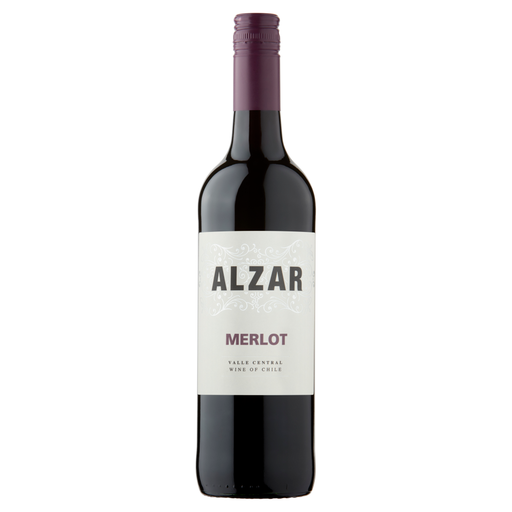
Why This Fits Their Persona: A practical starting point for shoppers seeking a medium-bodied Chilean Merlot for pasta, grilled meats or relaxed meals at home. It is listed at 14% ABV and provides 10.5 units per bottle.
The listing identifies the grape, origin, ABV, units, ingredients and sulphite allergen instead of relying only on broad tasting claims.
Medium-bodied style; 14% ABV; stated serving temperature of 16–18°C.
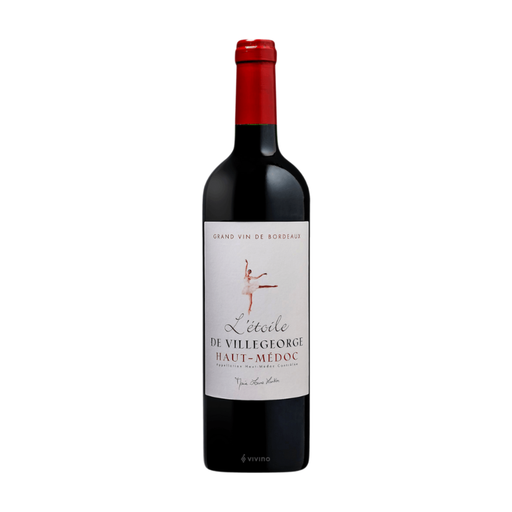
Why This Fits Their Persona: A Bordeaux red wine for formal dinners, gifting or shoppers who prefer a fuller, structured profile with dark fruit and cedar notes.
Its listed Haut-Médoc origin and Cabernet Sauvignon, Merlot and Petit Verdot blend give more useful context than an unspecified “premium” label.
13.5% ABV; 9.8 UK units per bottle; suitable for vegetarians.
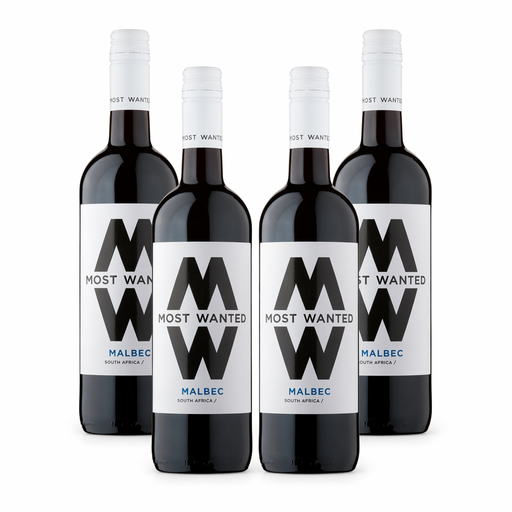
Why This Fits Their Persona: A case-deal format for hosts, regular red-wine drinkers and anyone planning barbecues or dinner parties around bold, full-bodied flavours.
The case option is paired with clear grape, country, region, ABV and unit information, so quantity does not replace product transparency.
Mendoza Malbec; suitable for vegans; recommended serving temperature of 16–18°C.
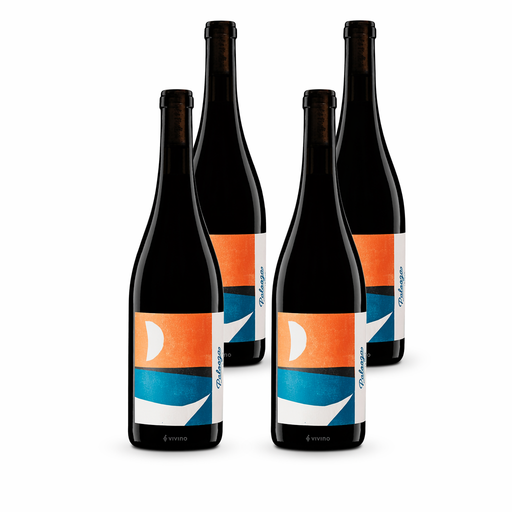
Why This Fits Their Persona: A French red wine with a medium-bodied, fruit-led profile for sharing boards, pasta, grilled food and mixed-diet gatherings.
It is explicitly listed as suitable for vegetarians and vegans, while also disclosing sulphites and approximate nutritional values.
French IGP Pays d’Oc origin; 13.5% ABV; suitable for vegans.
We have compiled a complete, real-time list of products that fully satisfy these strict selection criteria and UK safety regulations.
Yes. A 75cl bottle contains 750ml. It generally provides six 125ml servings, although the number of glasses depends on how generously each glass is poured.
Most red wine is best consumed within two to three days after opening. Re-cork it securely and follow the product’s storage instructions. Keeping it cool can help preserve its drinkable character, but an opened bottle will gradually change.
Match body and structure with the food. Merlot suits pasta, chicken and grilled meat; Malbec works with burgers, steak and rich sauces; Bordeaux blends pair naturally with roast lamb, beef and hard cheeses. A lighter medium-bodied wine can also work well with charcuterie, vegetable terrines and everyday dinners.