
24/7 Customer Support

Free returns

Same-day & Next-day Delivery

Quality Guaranteed

Unlock Your Welcome Offers: FREE Delivery | Up to 80% OFF | Free 30-day JoyPlus trial
Download the APP
Buying red wine online should be straightforward, but attractive labels and broad flavour claims can make comparison difficult. A bottle may be described as “rich”, “smooth” or “full-bodied” without clearly explaining its grape variety, alcohol content, serving style or food suitability.
For UK shoppers, the practical choice depends on more than price. You should check the bottle size, country of origin, ABV, allergen information and whether the flavour profile suits the occasion. The following guide explains the main buying pitfalls and highlights suitable options for dinners, entertaining, gifting and case deals.
A standard 75cl red wine bottle contains approximately six 125ml glasses, although actual serving sizes vary. Smaller formats, such as a 187ml bottle of Casillero Del Diablo Reserva Cabernet Sauvignon, can be useful for one-person occasions or controlled portions, but the cost per 100ml may be higher than buying a standard bottle.
Before choosing a case deal red wine, compare the total number of bottles, net quantity and price per bottle. A larger pack only offers practical value if you expect to use it before the recommended storage period after opening.
Cabernet Sauvignon, Merlot, Shiraz, Malbec and Pinot Noir provide useful starting points, but winemaking style and growing region also influence the finished wine. An Australian red wine may taste quite different from a French red wine made from a similar grape.
Descriptions such as “fruity red wine” or “full-bodied red wine” are helpful, but they are not a substitute for checking the label. Look for the grape variety, region, ABV and serving guidance before purchasing.
Alcohol content varies across the selection. For example, La Vieille Ferme Red Wine 75cl is listed at 13% ABV, while Pepperbox Shiraz 75cl is listed at 14% ABV. A 75cl bottle at 14% ABV contains approximately 10.5 UK units.
Wine commonly contains sulphur dioxide or sulphites, which must be declared as allergens where applicable. Some products may also include additional allergen information; Oyster Bay Pinot Noir, for example, lists eggs and sulphites. Always read the product label and current packaging information before serving.
For regular household use, a 75cl bottle is the usual format. Check the ABV and calculate units using:
Bottle volume in litres × ABV percentage = approximate UK alcohol units
For example, 0.75 × 13.5 equals approximately 10.1 units. Product pages may provide a more precise figure, so use the stated information where available. UK Chief Medical Officers advise that adults should not regularly exceed 14 units per week. Drink responsibly, never drive after drinking and do not consume alcohol during pregnancy.
Choose the style around the meal and your personal preference:
Serving temperature matters. Many fuller reds are suggested at around 18–20°C, while lighter styles can benefit from slight chilling. Do not assume room temperature means a warm kitchen; excessive heat can make alcohol feel more prominent.
Store unopened bottles away from direct sunlight and heat. Follow the label instructions, particularly for wines with stated storage periods. Once opened, reseal and refrigerate where advised, then consume within the recommended period—often two to five days depending on the product.
A case deal red wine can be convenient for hosting, but consider available storage space and whether the style suits several different meals. For wine gifts, check presentation, bottle size and the recipient’s preferred grape variety rather than choosing solely by label design.
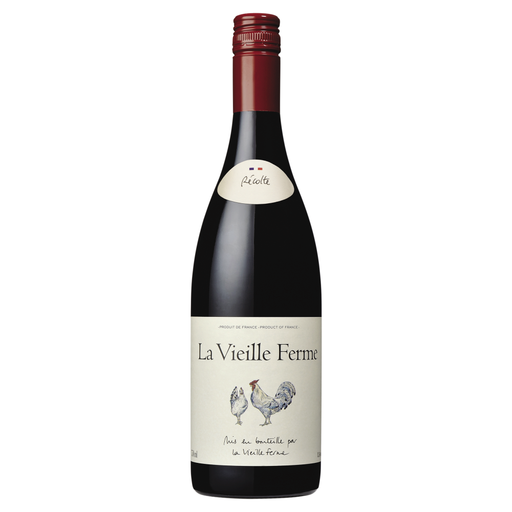
Why This Fits Their Persona: A French red wine in the familiar 75cl format, suitable for everyday meals and shoppers who want clear product information without an overly specialised style.
The listing identifies France as the region, states 13% ABV and declares sulphites, helping shoppers compare practical details rather than relying only on promotional wording.
75cl bottle; 13% ABV; listed energy of 78 kcal per 100ml; suitable for pairing with everyday home cooking.
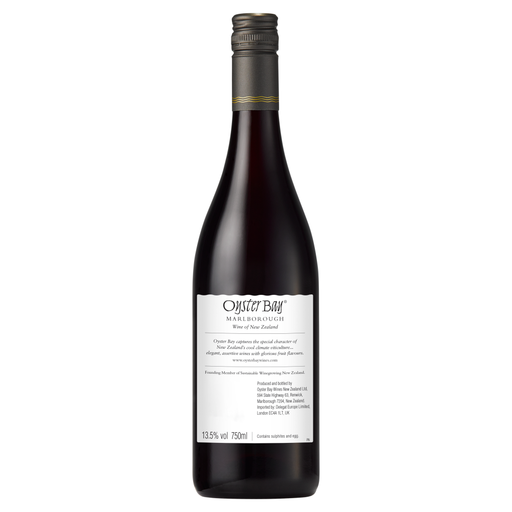
Why This Fits Their Persona: A New Zealand Pinot Noir from Marlborough for shoppers seeking a named region, a familiar grape and a bottle suited to dinner or gifting.
The product information specifies the grape, country of origin, region, ABV and allergen details, making it easier to assess suitability before ordering.
Marlborough origin; 13.5% ABV; 75cl format; suitable for meals where a lighter red style is preferred.

Why This Fits Their Persona: An Australian red wine with a listed full-bodied style, designed for grilled red meat, barbecues, stews and mature hard cheeses.
The listing gives a 14% ABV, approximately 10.5 units per bottle, storage guidance and specific food pairings, so the bottle can be matched to a substantial meal.
South-eastern Australian origin; 14% ABV; 75cl bottle; stated notes of dark berries, spice and dark chocolate.
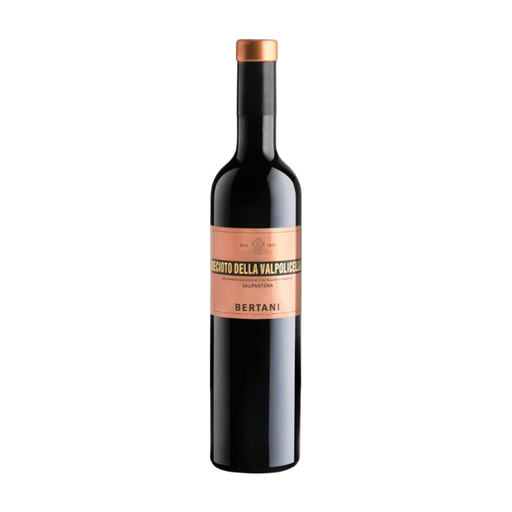
Why This Fits Their Persona: A sweet Italian red dessert wine for pairing with fruit pies, dark chocolate desserts or young to medium-aged cheeses.
Its sweetness and dessert use are clearly identified, reducing the risk of treating a speciality wine as an interchangeable everyday red.
Italian Valpantena origin; 12.5% ABV; made with Corvina Veronese and Rondinella grapes; suitable for vegetarians according to the listing.
We have compiled a complete, real-time list of products that fully satisfy these strict selection criteria and UK safety regulations.
Most opened red wines are best consumed within two to five days when resealed and refrigerated, although the exact guidance depends on the product. Check the label and avoid leaving an opened bottle in a warm room.
Match intensity rather than relying only on grape variety. A lighter Pinot Noir can suit poultry or lighter dishes, while Cabernet Sauvignon, Shiraz or Malbec may work with grilled meats and hearty stews. Merlot is a flexible option for pasta, cheese and casual meals.