
24/7 Customer Support

Free returns

Same-day & Next-day Delivery

Quality Guaranteed

Unlock Your Welcome Offers: FREE Delivery | Up to 80% OFF | Free 30-day JoyPlus trial
Download the APP
Buying red wine online should be straightforward, but attractive labels and vague tasting language can make comparison difficult. A bottle described as “rich”, “smooth” or “premium” may not suit your meal, serving preferences or budget.
The most useful approach is to check the practical details first: grape variety, alcohol percentage, bottle size, origin, dietary information and suggested serving style. These details provide a clearer basis for choosing than marketing descriptions alone.
An impressive label does not tell you whether a wine is light, full-bodied, dry or sweet. If you want an everyday red wine for pasta, a high-tannin Cabernet Sauvignon may feel more structured than expected. Conversely, a lighter French red wine may not provide enough weight for a rich steak dinner.
Look for the grape or blend, region and alcohol percentage before deciding.
A premium red wine can be appropriate for gifting or a special meal, but price does not automatically make it suitable for every occasion. A well-priced 75cl bottle may be more practical for a weeknight dinner, while a 1.5L bottle can be useful for larger gatherings.
Compare the price per bottle, intended occasion and food pairing rather than relying on price alone.
Most wines contain sulphites, which must be declared on the label where applicable. Some wines are suitable for vegans or vegetarians, while others may use animal-derived fining agents. Check the product listing if this matters to your household.
UK alcohol delivery is restricted to adults aged 18 and over. Age verification may apply at checkout or delivery, so ensure the recipient can provide valid identification if requested.
The grape gives you a useful starting point:
A standard red wine 75cl bottle provides approximately five 150ml glasses, depending on how generously it is poured. Smaller formats, such as 187ml bottles, can help reduce waste when you only want a single serving. Larger bottles can be convenient for dinner parties, but check storage space and serving plans before ordering.
Alcohol percentages in this selection range from around 12.5% to 14%. The alcohol content affects the number of UK units in a bottle. For example, a 13.5% 75cl bottle contains approximately 10.1 units. The exact figure should always be checked on the packaging or product page.
Most red wines are best stored away from direct sunlight and heat. “Room temperature” can be too warm in a centrally heated room, so serving slightly below typical indoor temperature may be preferable for some lighter styles.
Follow the product guidance where available. A smooth Merlot may be served at approximately 18–20°C, while lighter wines such as Beaujolais or Valpolicella are often suitable slightly cooler. Once opened, reseal the bottle and follow the stated consumption guidance.
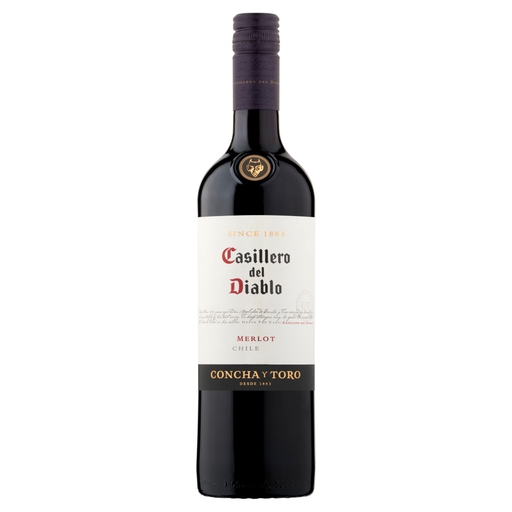
Why This Fits Their Persona: At 13.54% ABV, this standard-size bottle is a practical option for casual dinners, hosting and keeping as a versatile everyday red wine.
The listing identifies the Merlot grape, 75cl size, sulphite allergen and recommended serving range, reducing guesswork based on label design.
Merlot grape; 75cl bottle; suitable serving guidance of 18–20°C.
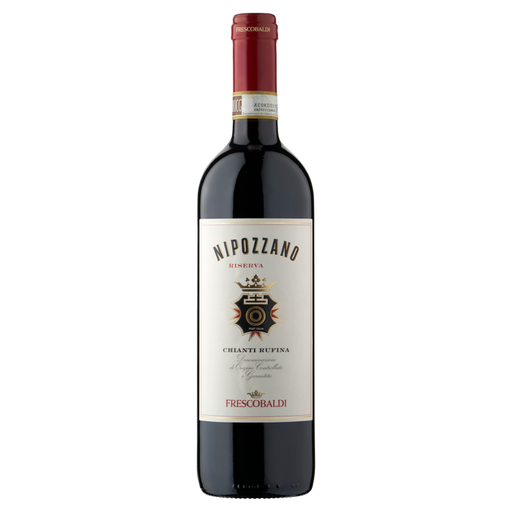
Why This Fits Their Persona: This Italian red wine suits shoppers looking for a more structured bottle for gifting, celebrations or a substantial meal.
The listing provides the DOCG designation, grape blend, 13.5% ABV and serving guidance, offering specific information beyond premium-looking presentation.
Chianti Rufina DOCG designation; blend includes Sangiovese; suitable for robust food pairing.
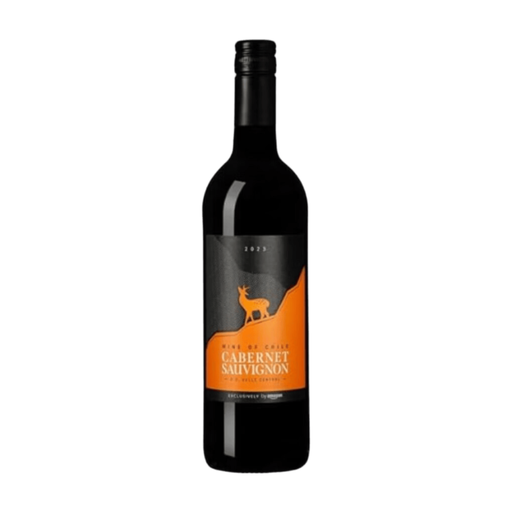
Why This Fits Their Persona: The 1.5L format is suited to larger dinners, parties and occasions where several guests may want a glass.
The listing clearly states the bottle size, 13.5% ABV and approximately 20.3 UK units, helping shoppers plan portions and storage.
1.5L format; Cabernet Sauvignon grape; listed serving temperature of 18–20°C.
We have compiled a complete, real-time list of products that fully satisfy these strict selection criteria and UK safety regulations.
Use the meal as a starting point:
Yes, online alcohol purchases are intended for customers aged 18 and over. Age verification can take place during checkout or delivery. Always check the retailer’s delivery terms and have suitable identification available.
This depends on the wine and storage conditions. Reseal the bottle and keep it in a cool place; refrigeration can help slow changes. Many everyday wines are best consumed within two to three days, although the product label may provide different guidance.
A 75cl bottle usually provides around five 150ml servings. It is suitable for a small dinner or two people having more than one glass. For a larger gathering, compare the number of guests, planned serving size and the bottle’s alcohol units before choosing a larger format.