
24/7 Customer Support

Free returns

Same-day & Next-day Delivery

Quality Guaranteed

Unlock Your Welcome Offers: FREE Delivery | Up to 80% OFF | Free 30-day JoyPlus trial
Download the APP
Buying red wine online should be straightforward, but attractive labels and broad tasting claims can make comparison difficult. A bottle described as “smooth” may still feel tannic, while a large bottle may not offer better value if you will not finish it promptly. The right choice depends on grape variety, origin, bottle size, alcohol content and how you plan to serve it.
This guide explains the main buying pitfalls and presents Our Top Recommendations for everyday drinking, dinner parties, gifting and larger gatherings.
Words such as “rich”, “premium”, “velvety” and “smooth red wine” are useful clues, but they are not regulated taste measurements. Check the product description for more practical information, including:
A Cabernet Sauvignon may be fuller and more structured than a soft Merlot, but the final character also depends on the producer, vintage and winemaking style.
A 1.5L red wine bottle provides roughly twice the volume of a standard 75cl bottle, making it useful for hosting. However, it contains more alcohol units and may be less suitable for a quiet meal or gift. Compare the price per litre, not just the total price, and consider whether the bottle can be stored appropriately after opening.
For regular entertaining, red wine case deals can reduce the need for repeated orders. Before buying a case, check that the wines suit several meals and preferences rather than selecting a large quantity of one style you have not tried.
UK wine labels should provide alcohol information and allergen details. Most products listed here contain sulphites, which are commonly used as preservatives in wine. Alcohol content varies considerably: some bottles in this selection range from 10.5% to 14% ABV.
A 750ml bottle at 13.5% ABV contains approximately 10.1 UK units, while a 1.5L bottle at the same strength contains approximately 20.3 units. The UK Chief Medical Officers advise adults not to regularly exceed 14 units of alcohol per week. Wine is for adults aged 18 and over; do not drink during pregnancy or before driving.
The grape is a useful starting point when you want to buy red wine online:
A 75cl red wine bottle is the standard option for a dinner for two to four people, depending on serving sizes. Smaller formats such as the 187ml Casillero Del Diablo bottle are practical for individual servings, gifts or occasions where opening a full bottle would create waste.
A 1.5L bottle is more appropriate for larger gatherings. Store unopened wine away from direct sunlight and heat, and follow the label’s guidance after opening. Many everyday wines are intended to be enjoyed relatively soon rather than kept for long-term cellaring.
Serving red wine at room temperature can be too warm in a centrally heated UK home. Many medium- and full-bodied reds are better served around 16–20°C, depending on the label instructions. Slightly chilling a softer red can make it feel fresher.
For a reliable wine food pairing, match intensity rather than following rigid rules. Full-bodied red wine can work with red meat, rich sauces and mature cheese, while smooth Merlot is more flexible with pasta, roast vegetables and mild cheeses.
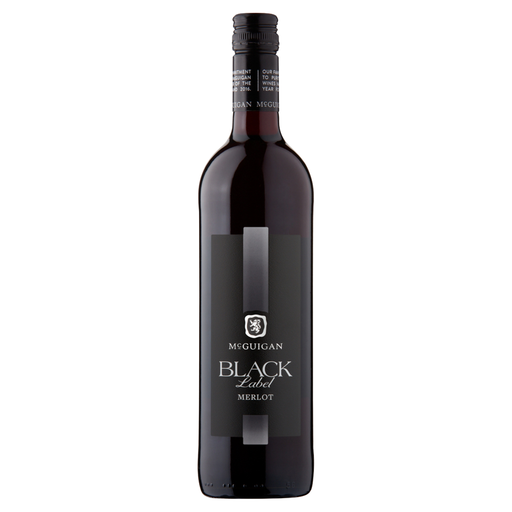
Why This Fits Their Persona: A standard-size bottle with a stated 12.5% ABV and a medium-bodied Merlot style suits shoppers building an everyday wine cupboard without committing to a large format.
The listing identifies the grape, bottle size, alcohol percentage, sulphite allergen and serving guidance rather than relying only on promotional tasting language.
Merlot grape variety; suitable for pasta, grilled dishes, cheeses and sharing plates; suitable for vegetarians and vegans according to the listing.
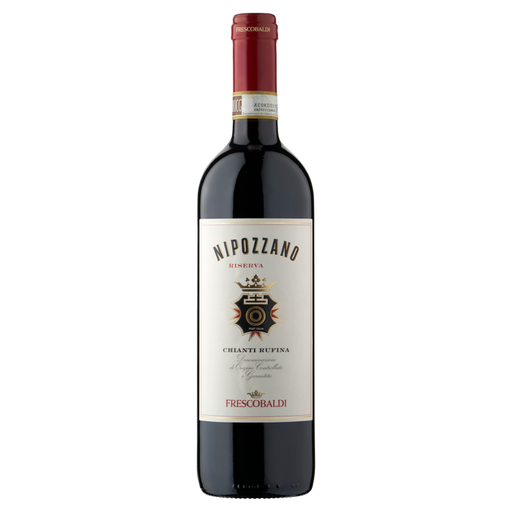
Why This Fits Their Persona: A suitable choice for a formal dinner, celebration or red wine gift where Italian origin, DOCG designation and a more structured profile are important.
The product information specifies its Chianti Rufina DOCG origin, grape blend, 13.5% ABV and recommended serving temperature, giving shoppers concrete comparison points.
Italian red wine from Tuscany; DOCG designation; stated pairings include roast meats, stews, strong-flavoured pasta and aged cheese.
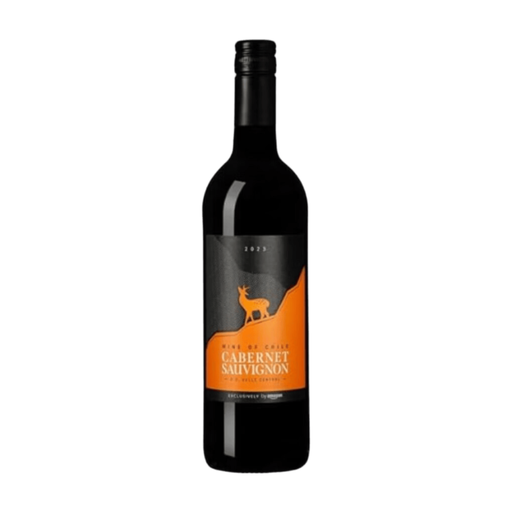
Why This Fits Their Persona: The larger format is designed for dinner parties, family gatherings and regular hosting, particularly when a fuller Chilean red wine is wanted.
The listing clearly states the 1.5L volume, 13.5% ABV and approximately 20.3 UK units, helping buyers assess quantity and alcohol content before ordering.
Chilean Cabernet Sauvignon; black cherry, blackcurrant and plum notes listed; designed to pair with lamb, steak, chorizo and mature cheese.
We have compiled a complete, real-time list of products that fully satisfy these strict selection criteria and UK safety regulations.
Most red wine is better served cool rather than warm. Medium- and full-bodied styles are commonly served between 16°C and 20°C, while lighter or softer bottles can benefit from brief chilling. Follow the temperature guidance on the product listing and avoid leaving an opened bottle beside a radiator.
This depends on the style, closure and storage conditions. Reseal the bottle and refrigerate it where the label recommends. Many everyday wines are best consumed within two to three days, although some product listings provide different guidance. Check the individual bottle information rather than assuming every red wine has the same lifespan.
Merlot is a flexible option for pasta, grilled dishes and cheese, while Cabernet Sauvignon suits richer meat dishes. Malbec and Shiraz work well with barbecued food, burgers and stews. For a formal meal or a thoughtful gift, an Italian Chianti or Spanish Rioja offers a more region-specific choice. Always check the ABV, allergens and serving instructions before purchase.