
24/7 Customer Support

Free returns

Same-day & Next-day Delivery

Quality Guaranteed

Unlock Your Welcome Offers: FREE Delivery | Up to 80% OFF | Free 30-day JoyPlus trial
Download the APP
Buying red wine online can look straightforward until you compare grape varieties, regions, bottle sizes and case prices. A bold label does not always indicate a full-bodied wine, while a higher price may reflect the appellation or packaging rather than a style you will enjoy.
Whether you want Australian red wine for a barbecue, French red wine for a dinner or an affordable red wine case deal for entertaining, a few practical checks can help you avoid an unsuitable purchase.
Origin can offer useful clues, but it does not guarantee a particular taste. Australian Shiraz is often associated with ripe fruit and spice, while Bordeaux red wine commonly uses Cabernet Sauvignon and Merlot to create structure and freshness. However, producer style, vintage, alcohol level and winemaking all affect the final result.
Treat phrases such as “rich”, “smooth” and “premium” as descriptions to investigate rather than proof of quality. Look for factual information about the grape variety, region, ABV and recommended food pairings.
A standard 75cl red wine bottle typically contains around six 125ml glasses, depending on how generously it is poured. A 1.5L red wine bottle contains twice as much liquid, but it also contains twice the alcohol units at the same ABV.
For example, Casillero Del Diablo Cabernet Sauvignon 1.5L is listed at 13.5% ABV and 20.3 UK units per bottle. This may suit a larger gathering, but it requires more careful planning than buying two bottles for separate occasions.
Most wines contain sulphur dioxide or sulphites, which must be considered by people with sensitivities. Some products may also have specific vegetarian or vegan information. Check the product listing and packaging before ordering.
Storage matters too. Keep unopened wine away from direct sunlight and excessive heat. Once opened, reseal it and follow the label’s guidance; many everyday wines are best consumed within a few days.
The grape is one of the clearest ways to narrow your options:
Australian red wine is often a practical choice when you prefer generous fruit and spice. South African red wine can offer a varied style, from fresh blends to fuller wines from Stellenbosch. Chilean red wine is frequently available in approachable Cabernet Sauvignon and Merlot styles.
French red wine needs a little more label awareness. Bordeaux wines may be labelled by château or appellation rather than grape variety, so checking the description helps. Etoile De Villegeorge 2021 Haut Medoc, for instance, lists Cabernet Sauvignon, Merlot and Petit Verdot and is described with dark fruit, cedar and structured tannins.
Check the alcohol by volume (ABV) before purchasing. The products in this selection range from around 11% to 14.5% ABV. A 750ml bottle can contain roughly 9.8 to 10.9 UK units depending on its strength.
The UK Chief Medical Officers advise that adults should not regularly exceed 14 units per week. Alcohol is for adults aged 18 and over; do not drink during pregnancy, drive after drinking or serve alcohol to anyone under 18.
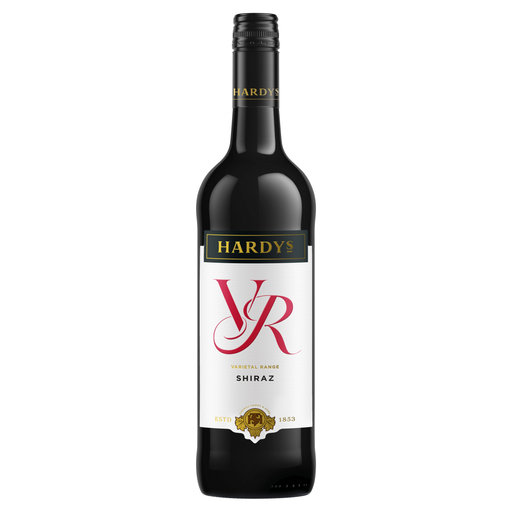
Why This Fits Their Persona: This Australian Shiraz offers a familiar 75cl format for weekday meals, informal sharing and shoppers learning which red wine styles suit them.
The listing gives the country of origin, 13.5% ABV, 10.1 UK units per bottle and sulphite information rather than relying only on marketing language.
Ripe berry and spicy notes; suitable for grilled meats and hearty pasta.
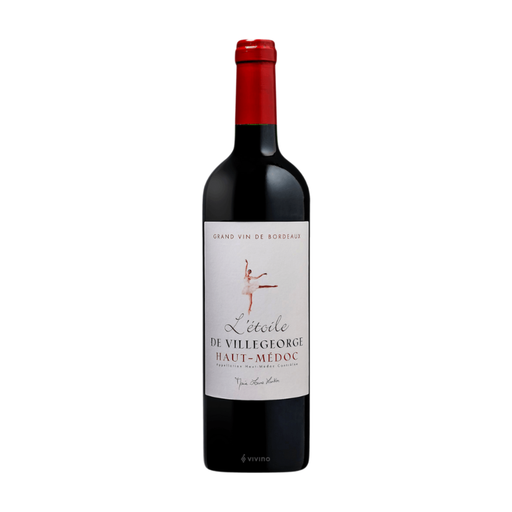
Why This Fits Their Persona: A French Bordeaux-style option for dinner hosts, gifting or shoppers who prefer structured red wine with a more traditional regional identity.
The product details identify the Haut Medoc appellation, grape blend, 13.5% ABV and 9.8 UK units per 750ml bottle.
Dark-fruit, cedar and spice descriptions; listed as suitable for vegetarians.
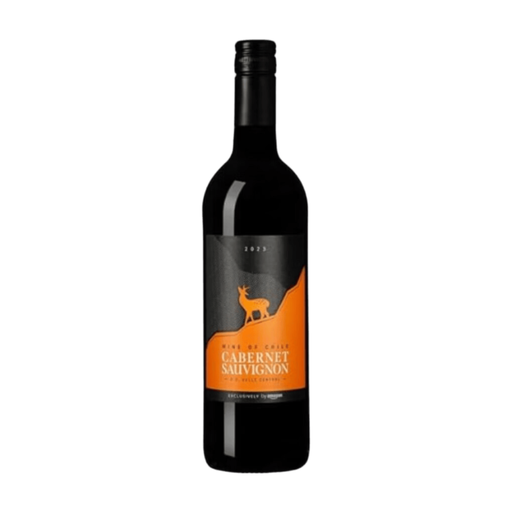
Why This Fits Their Persona: The larger bottle format is practical for a planned dinner, barbecue or gathering where several adults will be sharing responsibly.
The listing clearly states the 1.5L quantity, 13.5% ABV and 20.3 UK units, helping shoppers plan portions accurately.
Chilean Cabernet Sauvignon with black cherry, blackcurrant and subtle oak notes.
We have compiled a complete, real-time list of products that fully satisfy these strict selection criteria and UK safety regulations.
Match the wine’s weight and tannin level with the food:
Serving slightly below normal room temperature can make fuller red wines feel fresher, particularly in a centrally heated home. Check the product page for any specific serving instructions.
A 75cl bottle provides approximately six 125ml glasses. The exact number depends on pour size. A 125ml glass of a 13.5% wine contains around 1.7 UK units, although the figure varies with ABV.
It can be convenient for gatherings, but compare the total price, serving requirements and alcohol units rather than assuming a saving. A 1.5L bottle may be unsuitable if only one or two people will drink it, as opened wine can lose freshness after a few days.
Reseal the bottle and follow the product instructions. Refrigeration can slow deterioration, even for red wine, although you may wish to let it warm slightly before serving. Consume it within the stated timeframe and do not rely on an extended shelf life unless the label specifically provides one.