
24/7 Customer Support

Free returns

Same-day & Next-day Delivery

Quality Guaranteed

Unlock Your Welcome Offers: FREE Delivery | Up to 80% OFF | Free 30-day JoyPlus trial
Download the APP
Buying red wine online should be straightforward, but attractive labels and broad descriptions can make comparison difficult. A bottle described as “rich”, “smooth” or “full-bodied” may not match your preferred taste, while a large format is not always better value if you only drink occasionally.
This guide explains what to check before you buy red wine online, including grape variety, country of origin, bottle size, alcohol content, allergens and storage. It also highlights suitable options for everyday drinking, entertaining, food pairing and smaller servings.
Terms such as smooth red wine, “velvety” and “bold” are useful starting points, but they are not regulated taste measurements. A smooth wine may still be full-bodied, fruity or relatively high in alcohol. Look for more specific information, including the grape variety, stated body, serving temperature and suggested food pairings.
For example, Merlot is often associated with soft fruit and gentle tannins, while Cabernet Sauvignon commonly has a firmer structure and darker fruit character. These are general style indicators rather than guarantees, as climate, winemaking and blending also affect the final bottle.
An Australian red wine, Chilean red wine, French red wine or Italian red wine can vary considerably. Australia offers familiar styles such as Shiraz and Merlot; Chile is widely associated with Cabernet Sauvignon and Merlot; France includes regional blends such as Côtes du Rhône; and Italy produces many grape and regional styles.
Check both the country and the grape or blend. Spanish Rioja wine, for instance, is commonly linked with Tempranillo, but the final taste can differ depending on ageing and production choices.
A standard red wine 75cl bottle provides six 125ml glasses in theory, although serving sizes vary. A 1.5-litre bottle contains twice the volume but may not suit a small household once opened. Conversely, a mini red wine bottle can be practical for portion control, lunch occasions or a single serving.
Also check the alcohol percentage and UK units. A 75cl bottle at 13.5% ABV contains approximately 10.1 UK units, while a 1.5-litre bottle at the same strength contains approximately 20.3 units.
Use the grape name to narrow your search:
If you prefer easy-drinking bottles for pasta, pizza or casual meals, look for medium-bodied descriptions and softer tannins. For grilled meat, rich stews or mature cheese, a full-bodied red wine may provide more intensity.
ABV affects both taste and total units. The products listed here range from 11% to 14% ABV. A lower-ABV Shiraz may feel lighter than a 14% Rhône blend, even when both are described as fruity.
Always check the label or online product information for:
Alcohol is for adults aged 18 and over. The UK Chief Medical Officers advise that adults should not regularly exceed 14 units per week. Do not drink and drive, and avoid alcohol during pregnancy.
Most products in this selection contain sulphites, which must be declared as an allergen. If dietary suitability matters, check the product listing for vegetarian or vegan red wine information rather than relying on the front label alone.
Before opening, store red wine in a cool, dark place away from direct sunlight and heat. After opening, re-cork or reseal the bottle and follow the listing’s guidance; many everyday wines are intended to be consumed within two to five days. Product-specific instructions should take priority.
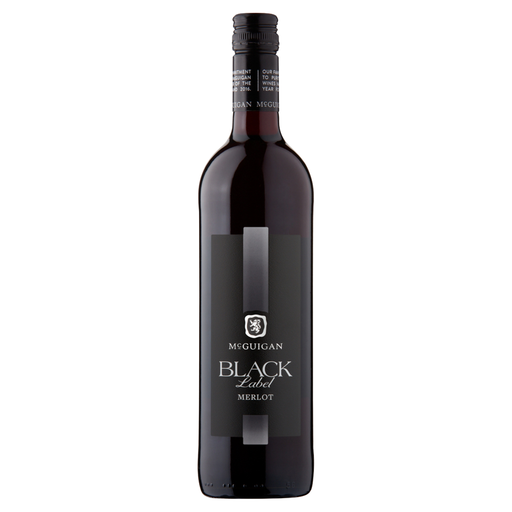
Why This Fits Their Persona: A 12.5% ABV Australian Merlot in a familiar 75cl format for shoppers who want a straightforward bottle for weeknight meals or casual sharing.
The listing identifies the grape, country, ABV and sulphite allergen instead of relying only on broad flavour language.
Medium-bodied style, 75cl volume and stated suitability for vegetarians and vegans.

Why This Fits Their Persona: A French Rhône blend for dinner hosts looking for a more expressive bottle with regional character and food-pairing flexibility.
The blend composition, 14% ABV, origin and serving guidance are stated clearly, making the style easier to compare.
Suitable for vegetarians and vegans; designed to pair with red meat, pasta dishes and mature cheeses.
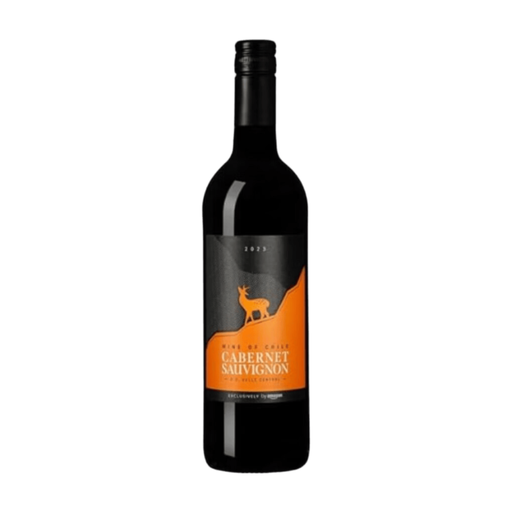
Why This Fits Their Persona: The 1.5-litre format suits larger dinners, parties and regular hosting where a single 75cl bottle may not provide enough servings.
The larger volume is stated prominently, so shoppers can compare total quantity rather than judging value from the bottle price alone.
Chilean Cabernet Sauvignon with stated black-fruit and oak notes; 13.5% ABV and approximately 20.3 UK units per bottle.
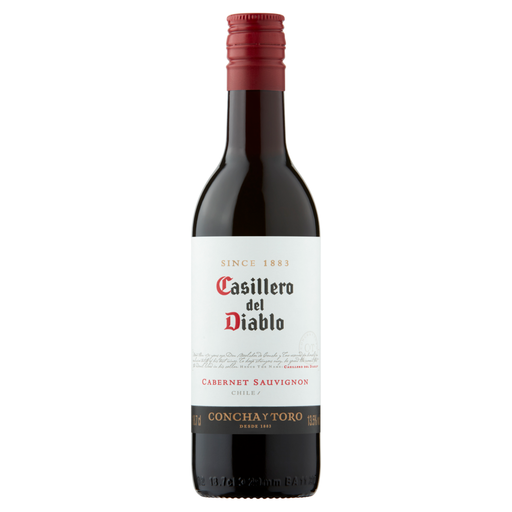
Why This Fits Their Persona: A mini red wine bottle for solo meals, gifting, travel-friendly occasions or shoppers who do not want to open a full bottle.
The 187ml net quantity and approximately 2.5 UK units are clearly provided, helping prevent accidental overbuying.
Chilean Cabernet Sauvignon, 13.5% ABV and a compact serving format.
We have compiled a complete, real-time list of products that fully satisfy these strict selection criteria and UK safety regulations.
Yes. A 75cl bottle is the standard format for most table wine and contains approximately six 125ml servings. Actual servings depend on how much is poured.
Many everyday red wines are best consumed within two to five days after opening when re-corked and stored as directed. Refrigeration can slow changes in some styles, but always follow the product’s specific storage instructions.
Case deals can reduce the per-bottle cost, but only when you expect to use the full quantity. Compare the total price, bottle size, ABV and delivery terms. A mixed case may also help you compare Merlot, Malbec, Shiraz and Tempranillo without committing to one style.