
24/7 Customer Support

Free returns

Same-day & Next-day Delivery

Quality Guaranteed

Unlock Your Welcome Offers: FREE Delivery | Up to 80% OFF | Free 30-day JoyPlus trial
Download the APP
Buying red wine online UK shoppers can enjoy at home should be straightforward, but attractive labels and vague tasting descriptions can make comparisons difficult. A bottle described as “rich” may be light enough for weekday meals, while a wine marketed as “premium” may simply have spent longer in oak.
The practical approach is to check the grape, origin, bottle size, alcohol content and food pairing before adding anything to your basket. This guide highlights common buying traps and compares suitable options for different UK occasions.
Words such as “intense”, “smooth” and “luxurious” are subjective. They do not tell you whether a wine is sweet-fruited, tannic, acidic, full-bodied or suitable for your planned meal.
For a more useful comparison, look for specific tasting information. Malbec wine often features dark-fruit notes and soft tannins, while Cabernet Sauvignon commonly has firmer structure and cassis-style fruit. A Tempranillo wine may show red fruit, spice and oak, particularly in Rioja styles.
Most shoppers expect a standard 75cl red wine bottle, but smaller and larger formats suit different needs. A 187ml Rioja can be useful for a single serving, whereas a 1.5L bottle is designed for sharing and contains considerably more alcohol overall.
Always check the net quantity and calculate the total units before buying for a gathering. This avoids ordering too little for guests or selecting a large format without considering responsible consumption.
“Spanish red wine”, “Argentine red wine” and “Italian red wine” describe origin, not a guaranteed taste profile. Similarly, a wine may be suitable for vegetarians or vegans, but this should be confirmed on the listing or physical label because fining methods can vary.
Sulphites are common in wine and must be declared where applicable. If you have an allergy or dietary requirement, read the ingredient and allergen information rather than relying only on front-label wording.
The grape provides a useful starting point:
Region still matters. High-altitude Mendoza wines, for example, can differ from other Argentine red wine styles, while Rioja classifications indicate different ageing approaches. However, classification is not a substitute for checking the actual tasting notes.
Check the ABV, or alcohol by volume, before purchase. A 75cl bottle at 13.5% ABV contains approximately 10.1 UK units; a 15% bottle contains approximately 11.25 units. A 1.5L bottle at 13.5% ABV contains approximately 20.3 units.
For context, UK Chief Medical Officers advise adults not to regularly exceed 14 units per week. This is particularly important when buying cases or larger bottles for entertaining. Product listings can occasionally contain inconsistent ABV information, so use the physical label as the final reference.
A standard 75cl bottle is versatile for dinner or gifting. A 187ml bottle may suit an individual serving where available. Once opened, reseal and refrigerate where the label advises, and follow the stated consumption guidance.
Serving temperature can affect how the wine tastes. Full-bodied reds are generally more expressive when served slightly below typical room temperature rather than warm. If a listing gives a serving range, use it as a practical guide and avoid leaving the bottle beside a radiator or in direct sunlight.
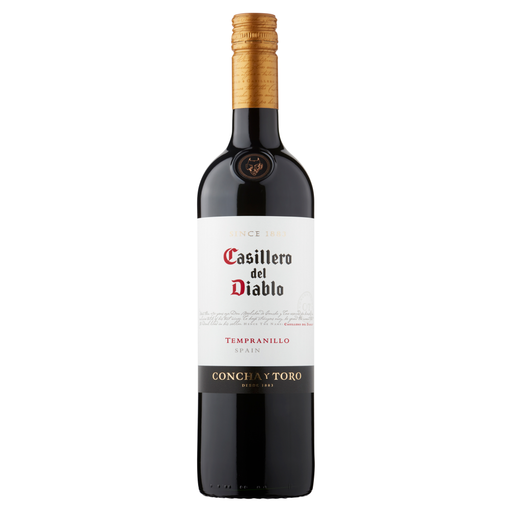
Why This Fits Their Persona: A standard-size Spanish red wine for shoppers who want a familiar Tempranillo style for weekday meals, relaxed evenings or first-time grape comparisons.
The listing provides grape, origin, bottle size, allergen and alcohol information, making it easier to compare with other Rioja and Tempranillo options.
75cl format; tasting notes include wild strawberry, plum, violet and gentle oak; contains sulphites.
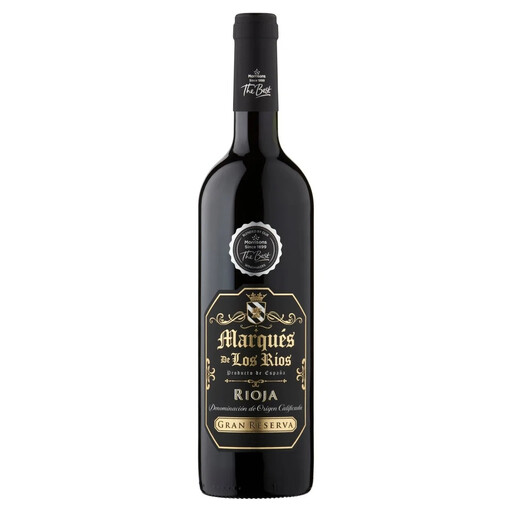
Why This Fits Their Persona: A considered option for a dinner, celebration or red wine gift where ageing classification and Spanish provenance are important selection points.
The Gran Reserva classification gives a clearer indication of the wine’s ageing approach than vague claims about sophistication alone.
14% ABV; suited to roasted meats, game, aged cheeses and hearty stews; contains sulphites.
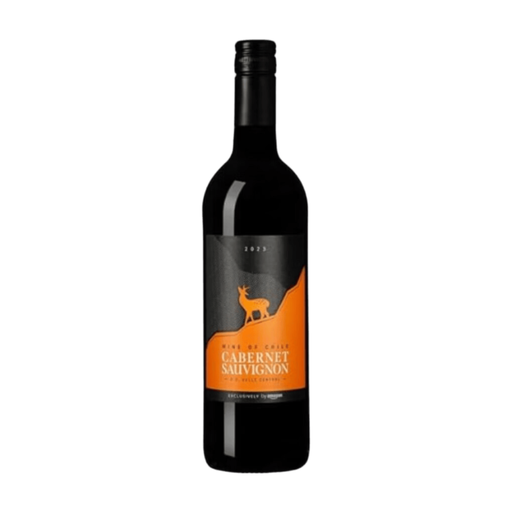
Why This Fits Their Persona: The larger format is designed for group meals and entertaining, particularly when serving steak, lamb, barbecue or mature cheese.
The 1.5L quantity is clearly stated, reducing the risk of confusing a standard bottle with a sharing format; total alcohol is also listed.
1.5L format; Cabernet Sauvignon profile with black cherry, cassis and toasted oak notes; 13.5% ABV listed.
Use the meal as a shortcut when comparing bottles:
For shoppers exploring Grenache styles, browse the wider garnacha red wine range to compare bottles by format, origin and flavour profile.
We have compiled a complete, real-time list of products that fully satisfy these strict selection criteria and UK safety regulations.
Yes. Alcohol purchases are for people aged 18 and over, and age verification may be required at checkout or delivery. Do not buy alcohol for anyone under 18.
Keep unopened bottles in a cool, dark place away from sunlight and heat. After opening, follow the product guidance: reseal the bottle, refrigerate where advised and consume within the stated period.
Not necessarily. “Premium” can refer to price, classification, ageing or positioning. Compare the grape, origin, ABV, bottle size, food pairing and verified product details to decide whether the wine suits your occasion and budget.