
24/7 Customer Support

Free returns

Same-day & Next-day Delivery

Quality Guaranteed

Unlock Your Welcome Offers: FREE Delivery | Up to 80% OFF | Free 30-day JoyPlus trial
Download the APP
Buying red wine online in the UK should be convenient, but attractive labels and broad tasting descriptions can make comparisons difficult. A “rich” wine may be too heavy for a weekday meal, while a discounted case may not offer useful variety. Country, grape, vintage, bottle size and alcohol content all affect whether a wine suits your occasion.
This guide explains the checks that matter before ordering, then matches selected bottles to different shopping needs.
Tempranillo wine, Garnacha wine and Barbera each have different typical characteristics, but region and winemaking also influence the result. For example, a Rioja red wine may be youthful and fruit-led or oak-aged with more savoury notes. A Garnacha from Rioja may feel brighter and more floral, while a Jumilla blend can be fuller and more concentrated.
Do not rely on the grape name alone. Check the region, blend, ageing information and serving guidance.
A full-bodied red wine can work well with roast meats or rich stews, but it may feel excessive with lighter food. Likewise, an “easy-drinking red wine” is not necessarily lacking character; softer tannins and fresh fruit can make it more versatile for casual occasions.
Look for practical tasting information such as body, acidity, tannin and serving temperature rather than vague claims about quality.
A red wine case deal can reduce the cost per bottle, but only if you are comfortable buying several bottles of the same style. Before ordering, compare:
For a dinner party, a case may be useful. For occasional drinking, individual bottles or a smaller 187ml format may be more practical.
Most standard bottles contain 75cl, while smaller formats such as the 187ml Campo Viejo Rioja are useful for a single occasion. A 75cl bottle at 13.5% ABV contains approximately 10.1 UK units; a 15% ABV bottle contains approximately 11.25 units.
Check the product page and physical label because ABV, vintage and nutritional information may vary by batch. UK customers must also be aged 18 or over, and alcohol should be consumed responsibly. The UK Chief Medical Officers advise adults not to regularly exceed 14 units per week.
Use the following as a starting point:
Vintage is not a guarantee of personal preference. For everyday drinking, a current or recent vintage may offer fresher fruit, while oak-aged wines may suit slower meals or gifting.
Wine can contain sulphites, which must be declared as an allergen where applicable. “Vegan” status should also be checked carefully because some wines use animal-derived fining agents. Several products below are listed as suitable for vegans, while the d’Arenberg Grenache listing specifies vegetarian suitability and recommends confirming vegan status with the producer.
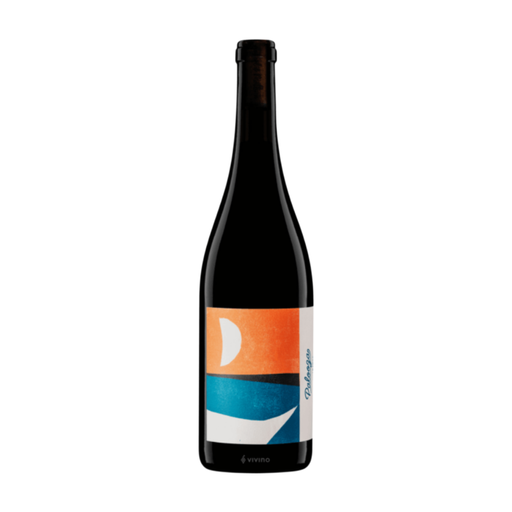
Why This Fits Their Persona: A 13.5% ABV French red from Languedoc-Roussillon with medium body and supple tannins suits shoppers wanting an approachable bottle for pasta, charcuterie or casual sharing.
The listing states the blend, ABV, serving temperature and vegan suitability, helping you compare practical details rather than relying only on promotional language.
Medium-bodied profile; suitable for vegetarians and vegans; serve slightly chilled at 14–16°C.
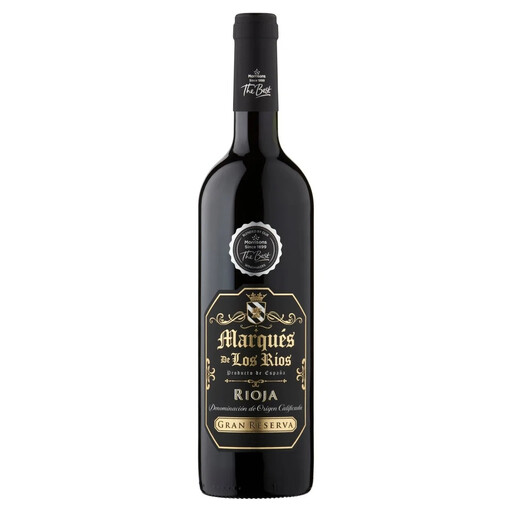
Why This Fits Their Persona: Its Gran Reserva classification and listed 14% ABV make it a considered option for gifting, celebratory meals and shoppers interested in aged Rioja.
The listing identifies the minimum ageing framework and food matches, rather than presenting maturity as an unexplained quality guarantee.
Gran Reserva style; suitable for vegans and vegetarians according to the listing; pairs with roast meats, game and aged cheese.
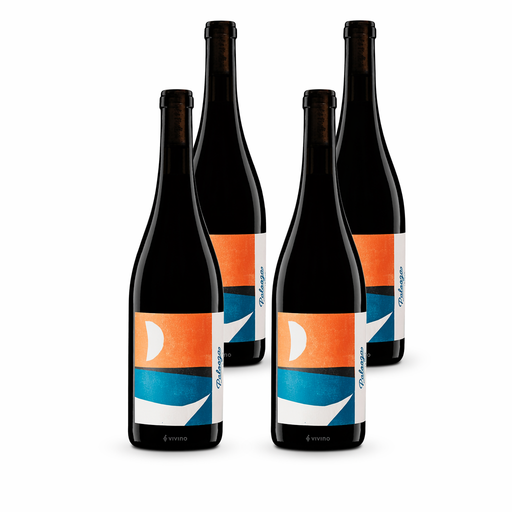
Why This Fits Their Persona: A multi-bottle format is convenient for hosts, regular red wine drinkers and shoppers planning several meals or gatherings.
The case contains a clearly identified wine rather than an unspecified mixed selection, so you know the style before committing to multiple bottles.
75cl bottles; vegan and vegetarian suitability listed; works with pasta, grilled meats, cheese and charcuterie.
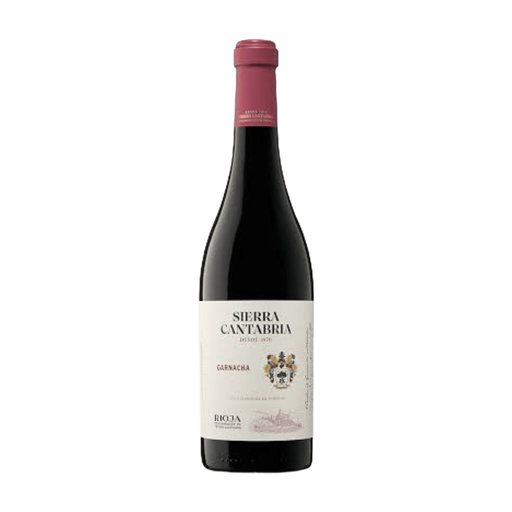
Why This Fits Their Persona: Listed as 100% Garnacha from Rioja, with 15% ABV and 14 months in oak, it suits shoppers seeking a more structured Spanish red for hearty food.
The listing specifies grape composition, region, alcohol strength and oak period, making the “full-bodied” description easier to assess.
100% Garnacha; oak-aged for 14 months; suitable for grilled meats, cured meats, pasta and mature cheese.
We have compiled a complete, real-time list of products that fully satisfy these strict selection criteria and UK safety regulations.
A practical food pairing wine choice depends on weight, acidity and seasoning:
Store unopened bottles away from direct sunlight and heat. Once opened, reseal and refrigerate where suitable, then follow the product guidance; many wines are intended to be consumed within two to five days.
Prices vary according to region, producer, vintage, ageing and pack size. Compare the per-bottle cost, not just the headline case price, and include delivery charges. A case deal is most useful when you already know you enjoy that style.
Yes. A 75cl bottle is the standard format for most table wines. Smaller bottles, such as 187ml, can reduce leftovers and suit individual servings. Always check ABV and stated UK units because alcohol content differs between wines.
Choose Rioja when you want a regional style that may include oak and ageing classifications. Choose Garnacha for red-fruit character, with the exact weight depending on region and alcohol level. Choose Tempranillo when you prefer a versatile Spanish grape often associated with cherry, plum, spice and oak notes. The product’s region, blend and ageing details should make the final comparison.