Training in 15–30 minutes
A small, carbohydrate-led portion may be easier to fit into a short window than a larger nut-based bar. Check its fat and fibre per bar, and choose a format you know you tolerate before movement.


For a snack 15–30 minutes before training, a small, carbohydrate-led bar with less fat per serving is a more relevant format if you tolerate it. With 60–90 minutes before training, particularly after a missed meal, compare carbohydrate, protein and fat together. A “reduced fat” claim is comparative: it does not tell you how much fat is in the portion you will eat.
A small, carbohydrate-led portion may be easier to fit into a short window than a larger nut-based bar. Check its fat and fibre per bar, and choose a format you know you tolerate before movement.
University College London Hospitals NHS Foundation Trust advises including carbohydrate and protein, with minimal fat, in a snack eaten 60–90 minutes before exercise. Compare the whole serving rather than choosing by a protein claim alone.
Check the current ingredients and any precautionary allergen statement for the exact flavour and pack. The examined bars have different recipes, and a familiar brand name does not establish that another variant suits your needs.
Start with the time until training, then compare nutrition for the portion you intend to eat—not just the wording on the front of the pack.
| Priority | What to check | Your needs |
|---|---|---|
| Carbohydrate and portion | Read carbohydrate per bar and the stated serving size. Kellogg's UK lists 20 g carbohydrate per 27 g Special K Red Berry bar; Nature Valley UK lists 27.0 g per 42 g Oats & Honey twin-bar portion. | If training starts soon, I want a small portion with a carbohydrate amount that fits the snack I have planned. With more time, a larger portion may be worth considering. |
| Total fat | Compare grams of fat for the portion you will eat. Kellogg's UK lists 1.7 g per 27 g Special K Red Berry bar, while Nature Valley UK lists 7.6 g per 42 g Oats & Honey portion. Check the actual serving even when a pack says “reduced fat”. | Close to training, I would rather check the bar's total fat than assume an oat or reduced-fat label tells me how light the portion is. |
| Protein and timing | For a snack 60–90 minutes before exercise, University College London Hospitals NHS Foundation Trust advises carbohydrate, protein and minimal fat. Eat Natural UK lists 7.8 g protein but 14.5 g fat per 40 g Dark Chocolate & Peanut Protein Bar. | After a missed meal, I want to consider protein as well as carbohydrate, without overlooking the fat in a nut-based bar. |
| Ingredients and allergens | Check the current ingredients, highlighted allergens and any “may contain” wording for the exact variant. Compare fibre and serving size if these affect what you tolerate before movement. | I need a bar that fits my dietary exclusions, and I want to know what is in the pack before relying on it as a regular gym-bag snack. |
Nature Valley UK lists 7.6 g fat in a 42 g Oats & Honey twin-bar portion. The oat-based format alone does not establish its fat content.
Compare fat and carbohydrate for the portion you intend to eat, then consider how long you have before training.
Eat Natural UK lists 7.8 g protein and 14.5 g fat per 40 g Dark Chocolate & Peanut Protein Bar. Its protein figure does not make it a reduced-fat option.
If you want a small snack shortly before exercise, compare it with a smaller carbohydrate-led bar and take your own tolerance into account.
The claim describes a comparison; it does not state the bar's fat per serving or whether its carbohydrate and portion size fit your plans.
Read the nutrition panel for the serving you will eat, alongside the ingredients and allergen information.
Recipes and flavours can differ. An unchecked multipack may not fit an allergy or dietary exclusion.
Recheck the current label when changing flavour, pack size or formulation.
The examined Special K and Frosties cereal bars are small, carbohydrate-led formats.
Its examined Crunchy Oats & Honey bars offer a portable oat-based option in a twin-bar portion.
Oat Boost is a flapjack-style range for shoppers considering an oat-based bar.
The examined Dark Chocolate & Peanut bar is a protein-and-nut format rather than a reduced-fat cereal-bar example.
Trek offers protein flapjack formats for shoppers who prefer that type of bar.
These options include smaller cereal bars for a short-notice snack and larger breakfast-bar or oat-flapjack formats to consider when you have more time before training. Check the current pack's per-bar nutrition and ingredients before choosing.
 No image available
A smaller bar format to consider when training starts soon. Compare the nutrition for this 21.5 g variant with your intended portion; figures for a differently sized Red Berry bar should not be applied to it.
 No image available
An orange-flavoured cereal-bar option for a portable pre-workout snack. Check fat and carbohydrate for the individual bar rather than relying on “Light” in the range name.
 No image available
A smaller chocolate-flavoured snack-bar format. If you plan to eat it shortly before training, compare the current pack's carbohydrate, fat, fibre and ingredients per bar.
 No image available
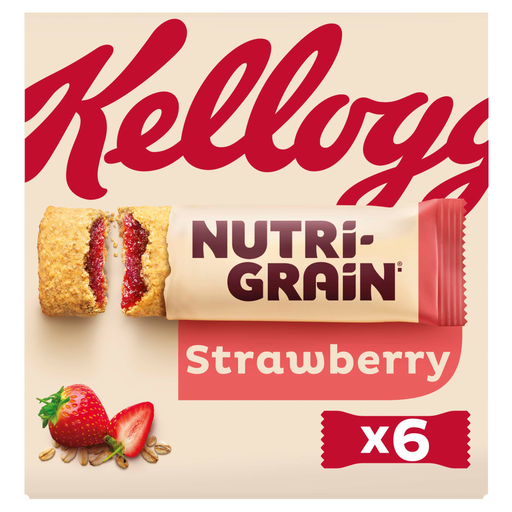
A strawberry breakfast-bar format to compare when there is more time before training. Use the individual bar's nutrition panel to judge the portion, including its fat and carbohydrate.
 No image available
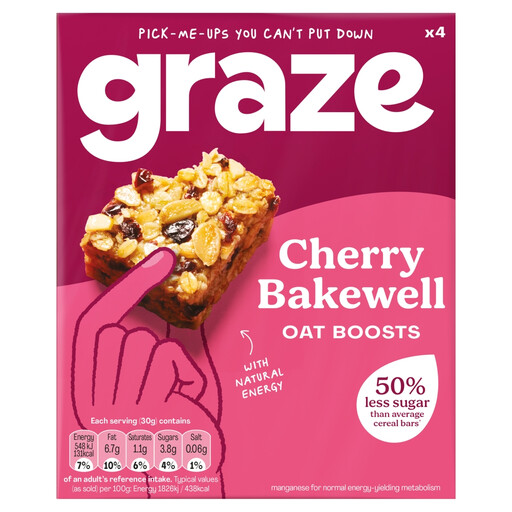
An oat-flapjack format to consider farther ahead of training rather than assuming all oat bars are reduced in fat. Check this flavour's per-bar fat, carbohydrate and ingredients.
No. For a short-notice snack, check the portion's carbohydrate, total fat and fibre, as well as whether you tolerate that bar before movement. “Reduced fat” alone does not answer those questions.
Compare carbohydrate, protein and total fat per serving. University College London Hospitals NHS Foundation Trust advises a snack with carbohydrate, protein and minimal fat in this window; a protein-labelled nut bar may also contain substantially more fat than a smaller cereal bar.
No. Nature Valley UK lists 7.6 g fat per 42 g twin-bar portion of Crunchy Oats & Honey. Check the fat for the portion you will eat instead of judging it by the oat-based format.
Check the current ingredients, highlighted allergens and any precautionary “may contain” statement for the exact flavour and pack. Recheck when you change variants or when the recipe changes.