Shoppers comparing total fat
If lowering total fat matters to you, compare bars per 100g before looking at the amount in one bar. A smaller portion can contain less fat without meeting the NHS low-fat benchmark of 3g or less per 100g.


For a road-trip cereal bar, compare total fat per 100g before relying on a “light” or “reduced fat” description: NHS guidance classifies foods with 3g or less per 100g as low in fat, and a reduced-fat claim does not necessarily meet that benchmark. Alpen Light Summer Fruit lists 4.3g per 100g, so even this lower-fat option among the named examples is not low fat by that measure. Check the portion, sugars and allergens on the exact pack, and save the snack for a planned stop if you are driving.
If lowering total fat matters to you, compare bars per 100g before looking at the amount in one bar. A smaller portion can contain less fat without meeting the NHS low-fat benchmark of 3g or less per 100g.
Pack a bar for a break rather than opening it while driving. The Highway Code advises planning sufficient breaks on long journeys.
Read the ingredients and any “may contain” warning on each exact pack before sharing. The named bars have different cereal, milk, soya and nut-related allergen information.
Start with comparable per-100g figures, then check what one stated serving means for the bars you plan to pack and eat.
| Priority | What to check | Your needs |
|---|---|---|
| Total fat | Compare total fat per 100g. NHS guidance sets its low-fat threshold at 3g or less per 100g; “reduced fat” describes a comparison with a similar product, not that absolute level. | I want to reduce total fat without mistaking a relative claim or a small bar for a low-fat product. |
| Whole label | Compare sugars, saturates and fibre per 100g alongside total fat. Use traffic-light information where the pack provides it. | A fruit, oat or fibre claim interests me, but I also want to see the other nutrition figures before choosing. |
| Portion | Check the weight and number of bars in the stated serving, then read its nutrition figures. A one-bar serving and a two-bar serving are different amounts. | For a planned stop, I want to know what the portion I am likely to eat contains—not just what the front of the wrapper says. |
| Packing | Check the exact pack’s storage instructions, ingredients and allergen warnings. Keep snacks for passengers or for a safe stop. | Sharing on the journey means I need to check each person’s allergens before packing the bars. |
Alpen Light Summer Fruit lists 4.3g total fat per 100g. That exceeds the NHS low-fat threshold of 3g or less per 100g, despite the product name.
Use the per-100g total-fat figure to decide whether a bar meets your intended criterion.
Alpen Light Summer Fruit states a 19g bar as a serving, while Nature Valley Crunchy Oats & Honey states two bars weighing 42g. Their serving figures describe different amounts of food.
Compare per 100g first, then check the figures for the number of bars you expect to eat.
Eat Natural Peanut Soft Fruit Bar is described by its maker as vegan and gluten free, yet its published figures include 17.6g fat and 44.9g sugars per 100g. Those dietary descriptions answer different questions from total-fat content.
Read the full panel and allergen statement even when a front-of-pack claim meets another preference.
Handling a snack takes attention away from driving. The Highway Code advises planning sufficient breaks on long journeys.
Leave bars for passengers or eat after stopping safely.
These examples show why the named variety and its nutrition panel matter more than a brand-wide assumption about fat content.
Alpen Light Summer Fruit is a smaller-bar example for shoppers comparing total fat.
Its Crunchy oat-bar varieties offer different flavours, but the named examples are not low-fat choices.
Graze presents its Oat Boost flapjacks around oats and other nutrition claims, rather than an established low-total-fat figure for every variety.
The Peanut Soft Fruit Bar is a fruit-and-nut option with dietary attributes distinct from low total fat.
Rice Krispies Squares Gooey Marshmallow is a cereal snack to assess by its own panel, not as a reduced-fat bar.
These cereal-bar packs are options to compare for planned road-trip stops. Their names or pack formats do not establish that they meet the NHS low-fat benchmark; check the current nutrition and allergen information for the exact variety before buying.
 No image available
A four-bar pack to consider for planned stops. “Light” in the name is not a substitute for checking total fat per 100g; read the exact pack’s allergen information before sharing.
 No image available
The 6 x 21.5g format makes the stated bar size clear. Compare its per-100g fat and sugars with other varieties, then check the ingredients and allergen statement.
 No image available
Another 6 x 21.5g option for a planned break. Compare its total fat and sugars per 100g with the Red Berry variety rather than assuming the shared bar size means the same nutrition.
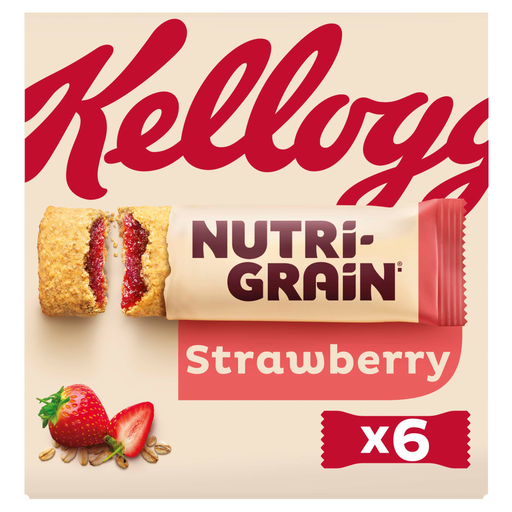 No image available
This six-pack provides another cereal-bar format for travel stops. Check its sugars alongside total fat on the exact pack, and read the allergen statement before packing it for others.
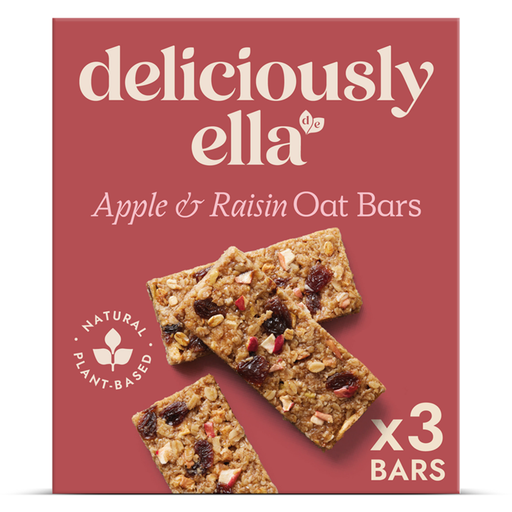 No image available
Each bar in this three-pack is labelled as 50g, a different portion size from the smaller bars above. Compare per 100g before comparing portions, and check the exact pack’s allergen warnings.
No. NHS guidance uses 3g or less total fat per 100g as the low-fat threshold for foods; “reduced fat” compares a product with a similar one. Check the per-100g figure and the portion you expect to eat.
Not by the NHS per-100g benchmark. Weetabix Cereals lists 4.3g fat per 100g and 0.8g per 19g bar; the NHS low-fat threshold is 3g or less per 100g.
Use both: per 100g lets you compare different bar sizes, while the serving figure describes a stated amount to eat. Alpen Light Summer Fruit states one 19g bar; Nature Valley Crunchy Oats & Honey states two bars weighing 42g.
Read the exact pack’s ingredients and “may contain” warnings for each person’s allergens. The named varieties differ in their cereal, milk, soya, peanut and tree-nut information, so a brand name alone is not enough.
Plan to eat after stopping safely rather than handling a bar while driving. The Highway Code advises planning sufficient breaks on long journeys.