For a sustained ride, compare carbohydrate per bar and how it fits into your food-and-drink plan before choosing the lowest-fat option; British Cycling advises eating little and often during sportives. For an easy ride or an everyday snack, fat per serving may matter more to your choice, but a reduced-fat claim alone does not tell you how much carbohydrate or fat the finished bar contains.
Who is choosing a bar?
Cyclists after a less rich pocket snack
For an easy ride, commute or pre-ride snack, compare fat and carbohydrate per bar rather than relying on a reduced-fat phrase. Consider whether the portion and texture suit the point at which you plan to eat it.
Riders planning food for a sustained ride
A portable bar is one part of a wider food-and-drink plan. British Cycling advises regular carbohydrate intake during sportives, so check what one bar contributes instead of assuming it covers a whole stretch of riding.
Riders choosing between cereal and protein bars
If you are considering a nut- or protein-led bar, compare its carbohydrate, fat and protein with the cereal bar you would otherwise carry. Check the exact variant’s allergen declaration as well.
What should you compare?
Start with the portion you would eat on the ride. Then use the per 100g figures to compare bars sold in different sizes.
| Priority |
What to check |
Your needs |
| Carbohydrate per bar |
Read carbohydrate for one bar or the portion you will eat. Consider it alongside your other food and drinks; British Cycling advises eating little and often during sportives. |
For a sustained ride, I want to know what this bar contributes to the food I plan to carry. |
| Fat in the finished bar |
Compare total fat and saturates per serving, then per 100g when pack sizes differ. A reduced-fat claim is comparative; it does not give the finished bar’s fat content. |
I would prefer a less rich snack, but I still want to know how much fat is in the portion I will eat. |
| Bar type and ingredients |
Compare carbohydrate, protein and fat for the exact flavour. Check the ingredient and allergen declarations, particularly when considering oat, nut or protein bars. |
If I am choosing a bar to eat while riding, I want its nutrition and ingredients to suit that occasion rather than judging it by the word ‘protein’. |
| Other label values |
Read sugars, saturates and serving size alongside total fat. On the current pack, check whether the nutrition table describes one bar or more than one. |
When I compare two different-sized bars, I want both the portion figures and the per 100g figures in view. |
What is easy to overlook?
-
Treating ‘reduced fat’ as a ride-fuelling plan
The phrase does not tell you how much carbohydrate one bar supplies. British Cycling’s sportive guidance advises eating little and often, rather than relying on a single food choice.
Read carbohydrate and serving size together, and plan the bar alongside the other food and drinks you expect to take.
-
Reading an ingredient claim as a claim about the whole bar
‘Fat-reduced cocoa’ describes an ingredient, not the finished cereal bar. Nature Valley UK lists 7.6g fat per 42g two-bar serving for its Crunchy Variety Pack.
Use the finished product’s nutrition table when comparing total fat between bars.
-
Assuming a protein bar contains less fat
Protein and fat are separate label values. The Joybuy UK listing for Nature Valley Protein Peanut & Chocolate reports 25.6g protein, 28.3g fat and 27.4g carbohydrate per 100g.
Compare the exact bar with the cereal-bar portion you would otherwise choose, particularly if carbohydrate during the ride is your priority.
-
Relying on a familiar flavour when checking allergens
Oat, cereal and protein bars can have different ingredient and allergen declarations, even within a brand’s range. Recipes can change.
Check the current pack for the exact variant each time an allergy or dietary restriction affects your choice.
Brand ranges to compare
Nature Valley
Its Crunchy oat bars and Protein bars illustrate why the range name alone cannot settle a reduced-fat choice.
- Nature Valley UK lists 27.0g carbohydrate and 7.6g fat per 42g two-bar serving for the Crunchy Variety Pack.
- The Joybuy UK listing for Protein Peanut & Chocolate reports 28.3g fat per 100g. Check the nutrition panel for the particular format and flavour.
Graze
Graze describes its Oat Boost flapjacks as a wholegrain-oat range.
- Graze says it has reduced saturated fat in Oat Boost flapjacks by 45% since their launch.
- That brand-reported change in saturated fat does not state the total fat or carbohydrate in the flavour and portion you might buy. Compare its current pack panel.
Kellogg's
Its Special K and Nutri-Grain bars offer different portions and nutrition figures to compare.
- Kellogg's UK lists 1.7g fat and 20g carbohydrate per serving for Special K Red Berry Bar; its Nutri-Grain Apple listing gives 3.1g fat and 25g carbohydrate per 37g bar.
- Those figures belong to their respective products and portions, not every bar under either name. Kellogg's advises checking current packs because recipes can change.
Joybuy cereal-bar options
These cereal and oat bars offer portions to consider for a ride or a snack away from the bike. Compare the current pack’s carbohydrate and fat figures for the exact variant before deciding which fits your plans.
 No image available
Special K Red Berry Cereal Bar, 6 x 21.5g
The 21.5g bar size makes the per-bar carbohydrate figure especially useful when planning how many portions to carry. Check the current pack’s nutrition and allergen declarations; figures for other Special K Red Berry serving sizes should not be applied to this one.
View on Joybuy
 No image available
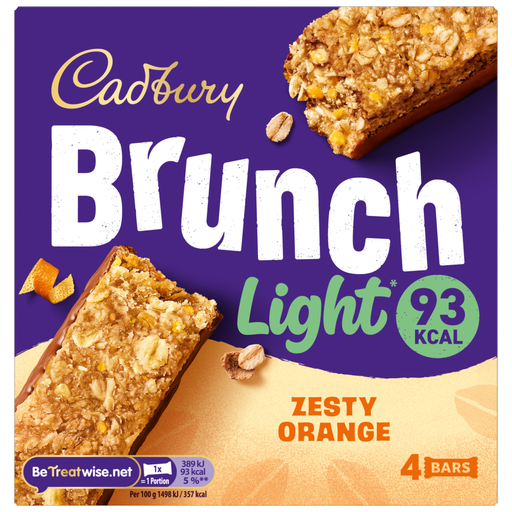
Cadbury Brunch Light Orange Cereal Bar, 4-pack, 104g
If you are considering this bar for an easy ride or a snack, compare its carbohydrate and total fat per bar rather than treating ‘Light’ in the name as a nutrition figure. Check the current pack for serving size, ingredients and allergens.
View on Joybuy
 No image available
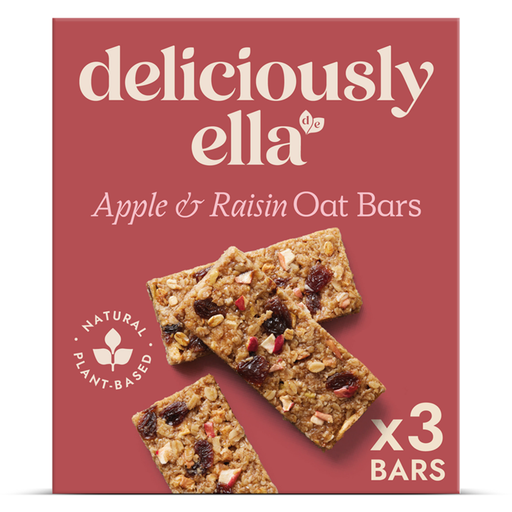
Deliciously Ella Apple, Raisin & Cinnamon Oat Bars, 3 x 50g
Each named bar is 50g, so compare its per-bar carbohydrate and fat with the smaller portions in this selection before packing it for a ride. Check the exact pack’s ingredient and allergen declarations if the oat base matters to your choice.
View on Joybuy
 No image available
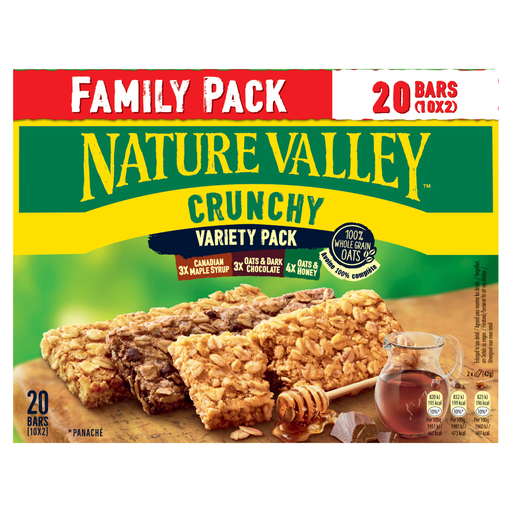
Nature Valley Crunchy Family Variety Pack, 10 x 42g
For a crunchy oat-bar option, check whether you would eat a full 42g portion and compare the nutrition for that portion on the current pack. Do not transfer figures from a different Nature Valley variety pack or treat an oat-based name as a reduced-fat claim.
View on Joybuy
 No image available
Special K Dark Chocolate Snack, 6 x 21.5g
If you want a small snack to carry, use the nutrition for this 21.5g bar to assess its contribution to your ride. Compare its carbohydrate and fat with the other flavours under consideration, and check the current allergen declaration.
View on Joybuy
Common questions
Does ‘reduced fat’ mean a cereal bar is low in fat?
No. A reduced-fat claim compares a product with another product; it does not give the fat content of the serving in your hand. Check total fat and saturates for the finished bar, alongside carbohydrate and portion size.
Should I choose the lowest-fat bar for a long cycle ride?
Not on fat content alone. British Cycling advises regular carbohydrate intake and hydration during sportives, so compare carbohydrate per bar and plan how it fits with your other food and drinks. You can then weigh fat content against your preferences for eating while riding.
What should I check when choosing an oat bar labelled gluten-free?
Check that the exact product is labelled gluten-free and read its current allergen declaration. The Food Standards Agency notes that oats must still be identified as an allergen even when a food is labelled gluten-free.
Why check the pack again when buying a familiar bar?
Recipes and nutrition declarations can change. Kellogg's advises checking current packs, and allergen ingredients differ between cereal-bar products, so read the label for the exact flavour and pack you buy.


