Gym-goers comparing fat content
If reducing fat matters when you choose a portable snack, compare bars per 100g and check what any reduced-fat claim is measured against. A small portion or a ‘light’ name answers a different question.


Choose a gym-bag cereal bar by its current fat figure per 100g and the wording of any reduced-fat claim, rather than by words such as ‘light’ or ‘protein’. In Great Britain, legislation.gov.uk specifies that a reduced-nutrient claim requires at least 30% less of that nutrient than a similar product; that does not mean the bar is low in fat. Check portion size, other nutrition figures and allergens alongside fat, especially if you are considering an oat or protein bar instead.
If reducing fat matters when you choose a portable snack, compare bars per 100g and check what any reduced-fat claim is measured against. A small portion or a ‘light’ name answers a different question.
If protein is your priority, check its amount per bar separately from fat per 100g. A protein, nut or oat bar does not automatically meet a reduced-fat requirement.
If you keep bars in a gym bag for occasional use, check the current pack’s ingredients and allergen statement when you buy them. The portion size also matters when deciding whether a bar suits a quick snack or a larger one.
Start with the claim and fat per 100g so bars of different sizes can be compared, then check the portion and the other details that matter to you.
| Priority | What to check | Your needs |
|---|---|---|
| Reduced-fat claim | Check which similar product the claim compares with and whether the reduction concerns fat. For Great Britain, legislation.gov.uk specifies a reduction of at least 30% for a reduced-nutrient claim. | I want a bar with a meaningful fat comparison, not one that merely looks lighter because of its name or portion size. |
| Fat and portion | Compare fat per 100g across similar bars, then read the amount per bar. NHS guidance defines low fat for solid foods as 3g or less per 100g; that is different from a reduced-fat comparison. | A smaller bar may suit a quick bite, but I still want to know how its fat content compares on the same basis as another bar. |
| Protein | Read protein per bar alongside fat and saturates per 100g. Eat Natural lists 7.8g protein and 14.5g fat per 40g Dark Chocolate & Peanut Protein Bar. | If I am choosing a protein-focused snack, I need to assess the fat figure separately rather than assuming the protein label settles the choice. |
| Sugar and fibre | Check each nutrition figure on its own terms. Tesco lists Graze Honey Oat Boosts as 45% less sugar than over 80 cereal bars, while reporting 22g fat per 100g. | I may prefer an oat bar or a lower-sugar comparison, but neither tells me that the bar is reduced in fat. |
| Ingredients and allergens | Read the current pack’s ingredient and allergen statements, including any cross-contact wording relevant to you. Check the portion size before putting a bar aside for a pre-gym bite or an occasional spare snack. | When I buy bars to keep in my gym bag, I want the particular pack and portion to fit how I plan to use them. |
A reduced-fat comparison and a low-fat figure are different tests. Iceland Foods lists Alpen Light Chocolate & Fudge at 6.7g fat per 100g, above the NHS low-fat threshold of 3g per 100g for solid foods.
Check the current pack’s claim and fat per 100g. If low fat is your criterion, use the per-100g figure rather than the name.
Eat Natural lists 36.3g fat per 100g for its Dark Chocolate & Peanut Protein Bar; a listing for Trek Protein Flapjack reports 21g per 100g. Protein branding does not answer the fat question.
Compare protein per bar and fat and saturates per 100g as separate criteria.
Tesco lists Graze Honey Oat Boosts as 45% less sugar than over 80 cereal bars, but also reports 22g fat per 100g. The sugar comparison does not establish a fat reduction.
Decide which nutrition measure matters for this purchase and read its corresponding figure.
Iceland Foods’ Alpen Light Chocolate & Fudge comparison was verified in November 2018. A comparison from that date may not describe the pack you are buying now.
Check the current pack’s nutrition, ingredients, allergens and claim before choosing it.
These examples show how different cereal-bar formats and claims affect the choice; a brand name alone does not establish a reduced-fat option.
A reference for checking a specific comparative fat claim on a cereal bar.
A reference for shoppers considering a protein-focused bar rather than choosing by a reduced-fat claim.
An oat-bar reference when comparing sugar claims with fat content.
A reference for comparing a portioned cereal bar by both its serving and per-100g figures.
A protein-bar reference when fat content and ingredients need separate checks.
A protein-flapjack reference for shoppers considering an oat-based gym-bag snack.
These cereal and oat-bar options offer different portions and flavours for a gym bag. Compare each current pack’s nutrition panel and claims before choosing one for a reduced-fat goal.
 No image available
For a portioned gym-bag snack, use the current pack’s per-100g fat figure to compare this bar with other cereal bars. The portion size alone does not establish a reduced-fat claim.
 No image available
If you want a chocolate-flavoured bar to take to the gym, compare its current fat and saturates per 100g with bars you would otherwise choose. Check the pack’s claim rather than inferring one from the portion.
 No image available
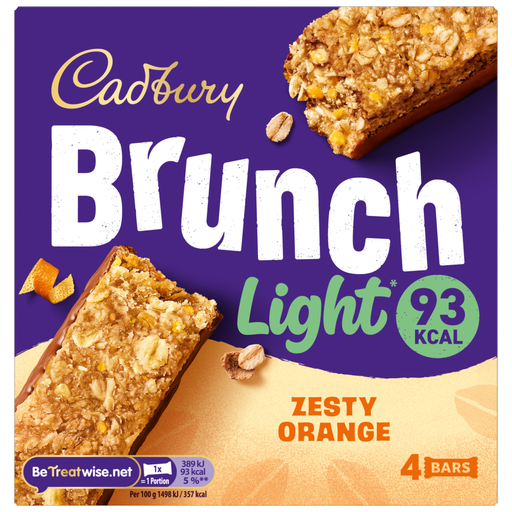
The word ‘Light’ in the name does not tell you the bar’s fat content or its comparison product. Check both on the current pack if reducing fat is your reason for choosing it.
 No image available
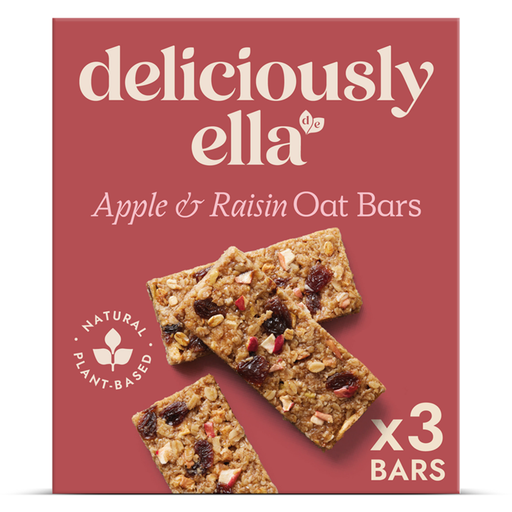
The 50g bar size may matter if you want a small pre-gym bite rather than a larger portion. Compare fat per 100g with other bars; an oat-bar format is not itself a reduced-fat claim.
 No image available
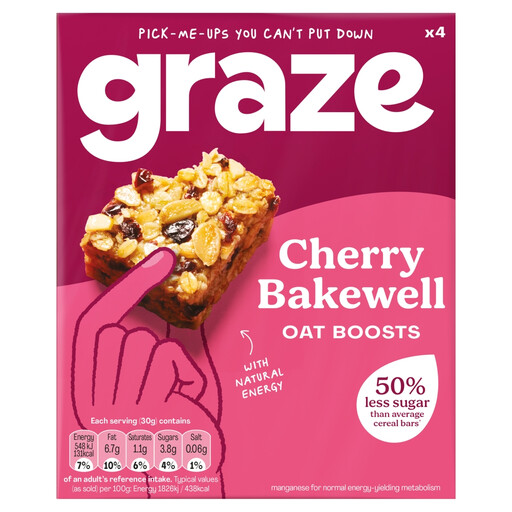
If you prefer an oat bar for your gym bag, check this Cherry Bakewell variant’s own fat figure per 100g. Do not apply the nutrition figures or claims of another Graze flavour to it.
No. For Great Britain, legislation.gov.uk specifies at least 30% less of the named nutrient than in a similar product for a reduced-nutrient claim. NHS guidance defines low fat for solid foods separately, as 3g fat or less per 100g. A bar can satisfy a reduced-fat comparison without meeting that low-fat threshold.
Use fat per 100g to compare similar bars of different sizes, then check the per-bar figure for the portion you would eat. Read saturates and sugars on the same consistent basis when those figures matter to your choice.
Not necessarily: protein and fat are separate nutrition measures. Eat Natural lists 7.8g protein per 40g Dark Chocolate & Peanut Protein Bar, alongside 14.5g fat per bar. Check both figures and any specific fat claim on the bar you are buying.
No. A sugar comparison tells you about sugar, not fat. Tesco lists Graze Honey Oat Boosts as 45% less sugar than over 80 cereal bars and reports 22g fat per 100g, so check the fat figure separately.
Read the ingredient and allergen statements on the current pack, including any relevant cross-contact wording. Cereal, oat, nut and protein bars can have different ingredients even within a brand, so check the particular flavour and pack you buy.