Hosts looking for a lower-fat choice
If fat content matters for your party snacks, compare the figures and any comparative claim on the exact pack. An oat-based recipe or a ‘light’ name does not establish how much fat the bar contains.


For a Halloween party, choose a cereal bar for its current, clearly stated fat comparison and an allergen label that fits the guests, not because its name says ‘light’ or mentions oats. Compare fat per 100g alongside the portion you plan to offer, and keep the packaging available so guests can check ingredients.
If fat content matters for your party snacks, compare the figures and any comparative claim on the exact pack. An oat-based recipe or a ‘light’ name does not establish how much fat the bar contains.
Check each variety’s current ingredients and ‘may contain’ statement against the allergies guests have told you about. Keep the original packaging with the bars so the information remains available.
Some guests may want vegan, gluten-free or protein-oriented options. Check those requirements on each product separately; none of those descriptions establishes a reduced-fat comparison.
Compare the current pack’s fat information first, then consider the portion and whether its ingredient label works for the people you are serving.
| Priority | What to check | Your needs |
|---|---|---|
| Fat comparison | Read fat per 100g on the current pack, as well as fat per bar or wrapper. If it makes a comparative claim, check what product or group it compares against. Iceland Foods’ Alpen Light Salted Caramel listing gives 5.9g versus 15.9g fat per 100g for typical cereal bars, but dates that comparison to November 2018. | I want a lower-fat choice backed by information on the bar I am buying, rather than by a ‘light’ name alone. |
| Allergens | Check the ingredients and any ‘may contain’ wording on every variety. GOV.UK advises that regulated allergens used as ingredients in prepacked food must be clearly identified in the ingredients list. | Guests may have different allergies, so I need to leave the original labels available and check the bars against requirements they have disclosed. |
| Portion | Check the weight and number of bars in each wrapper, then read the per-serving nutrition figures. For example, ASDA Groceries lists Nature Valley Crunchy Oats & Honey as a 42g two-bar portion; Sainsbury’s lists a TREK Original Oat flapjack as 50g. | A small bar may suit the treat bags, while a larger wrapper might be better offered separately. I want to know what each guest would receive. |
A name alone does not tell you the current product’s fat content or the basis of a comparison. Iceland Foods dates the comparison on its Alpen Light Salted Caramel listing to November 2018.
Read the current pack’s nutrition panel and comparative wording before choosing it for a lower-fat requirement.
Different snack styles have different fat figures: ASDA Groceries lists Nature Valley Crunchy Oats & Honey at 18.1g per 100g, Waitrose & Partners lists Graze Lemon Blueberry Oat Boosts at 21g, and Sainsbury’s lists TREK Original Oat Protein Flapjacks at 19g.
Compare the exact varieties per 100g and per portion. Choose a protein- or fibre-focused bar for that separate preference, not as proof of a fat reduction.
Bars can have different ingredient and cross-contact warnings. Once wrappers are discarded, guests may not be able to identify which label belongs to which snack.
Ask about relevant allergies where appropriate, check each current label, and keep bars with their original packaging when serving them.
A dated comparison or ingredient list may not describe the pack you eventually receive. Iceland Foods’ Alpen Light Salted Caramel comparison was verified in November 2018.
Check the available product’s packaging for its present nutrition, ingredients and comparative claim before buying or serving it.
These examples show why the exact variety matters: a brand may offer several snack styles, but its name does not establish a fat figure or allergen profile for every bar.
Alpen Light Salted Caramel provides a specific comparative-fat example, rather than a conclusion about the whole Alpen range.
The Special K Red Berry Bar illustrates why both serving and per-100g figures are useful for a smaller bar.
Nature Valley offers different bar styles, so an oat-based name is not a substitute for reading the nutrition panel.
An Oat Boost flapjack may appeal to guests seeking that snack style, but its other attributes should not be treated as a reduced-fat claim.
Eat Natural describes vegan, gluten-free and high-fibre choices in its range; select for the requirement that applies to a particular guest.
TREK’s protein flapjacks address a different snack preference from shopping specifically for reduced fat.
These options include fruit-flavoured Nutri-Grain bars, a Special K snack bar and a Cadbury Brunch Light bar for individual party portions. Check each current pack before treating any of them as a reduced-fat choice.
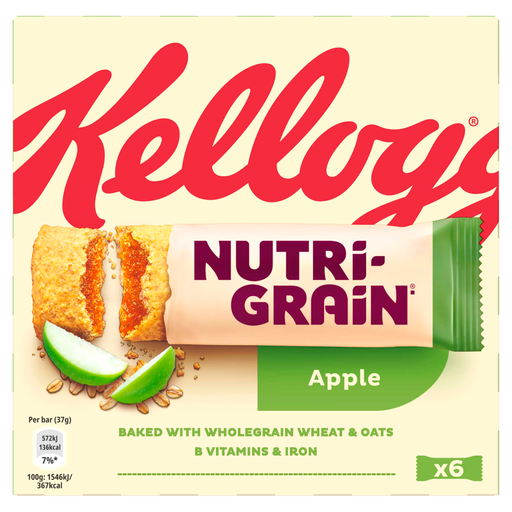 Image unavailable
For a party selection, compare the current pack’s fat figures and check its wheat, oats, milk and soya information and any nut warning before offering it to guests.
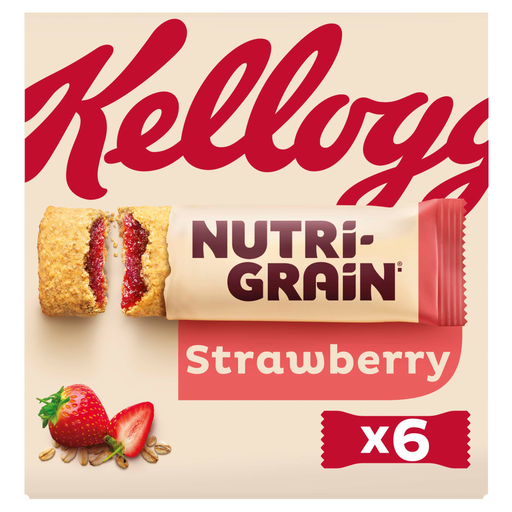 Image unavailable
If strawberry bars suit the party, read the current per-100g and per-bar figures rather than assuming this variety matches the apple one. Check the wheat, soya and milk information and any tree-nut warning on its own pack.
 Image unavailable
The stated 21.5g portion makes the per-bar figure useful alongside fat per 100g. Before serving, check the current label for wheat, barley, oats, milk and soya information.
 Image unavailable
For a lower-fat choice, check what the current pack’s ‘Light’ wording means and read its fat figures. Check its gluten, milk and soya information and any nut warning against guests’ requirements.
No. Read fat per 100g and per bar, plus any comparison on the current pack. Iceland Foods’ Alpen Light Salted Caramel listing compares 5.9g with 15.9g fat per 100g for typical cereal bars, but dates that comparison to November 2018.
Keep the original packaging available so guests can identify each variety and inspect its ingredients and warnings. GOV.UK advises that regulated allergens used as ingredients in prepacked food must be clearly labelled; the different bars also need their own ‘may contain’ statements checked.
No. Those descriptions address particular ingredients or dietary requirements, not every possible allergen. Check the exact bar’s ingredient and cross-contact information against the allergy a guest has disclosed.
Use both: per 100g helps compare bars of different sizes, while the per-bar or per-wrapper figure shows the portion offered. ASDA Groceries lists 7.6g fat for a 42g Nature Valley Crunchy Oats & Honey two-bar wrapper; Sainsbury’s lists 9.4g for a 50g TREK Original Oat flapjack.
Use the packaging of the bar you have before serving it, particularly for ingredients, allergens and nutrition. If you chose it for a comparative-fat claim, check that the current pack still makes the comparison you relied on.