Day hikers looking for a small snack
If you want something portable for a short or moderate walk, compare the carbohydrate and energy in the actual bar, not just its fat content.


A reduced-fat cereal bar can make sense when you want a small snack for a shorter walk, but the claim alone does not tell you whether the portion suits your hike. For a longer walk, compare carbohydrate and energy per bar with the other food you plan to carry; University College London Hospitals NHS Foundation Trust also describes a mixture of carbohydrate and protein as an option for longer-duration activity. Check fat, sugars and allergens on the exact pack rather than choosing by its front-of-pack wording alone.
If you want something portable for a short or moderate walk, compare the carbohydrate and energy in the actual bar, not just its fat content.
A small bar may be one part of what you carry, rather than the whole plan. For longer-duration activity, University College London Hospitals NHS Foundation Trust discusses snacks containing both carbohydrate and protein.
If ingredients or allergens affect your choice, check the exact flavour and current pack. An oat, wholegrain or protein description cannot establish suitability across a brand’s range.
Decide whether the bar is a small top-up or part of the food for a longer route, then compare like-sized portions as well as the figures per 100g.
| Priority | What to check | Your needs |
|---|---|---|
| Food for the route | Check carbohydrate and energy per bar, then consider the other food you will carry. For longer-duration activity, University College London Hospitals NHS Foundation Trust also discusses combining carbohydrate and protein. | For a short walk, I may only want a small snack. On an all-day route, I need to consider what the bar contributes to all the food I am taking. |
| Fat claims | Compare total fat per 100g and per portion. Public Health Wales explains that ‘reduced fat’ compares a product with an original version; it does not describe the whole nutrition panel. | If I am looking specifically for reduced fat, I want to know what the claim compares and how much fat is in the bar I will eat. |
| Portion size | Check whether the serving is one bar or a twin pack. Use per-100g figures to compare composition and per-serving figures to compare what you will carry. | A small bar and a two-bar serving take up different places in my hiking-food plan, even when their labels use the same nutrients. |
| Other label details | Read sugars, fibre, protein and salt alongside fat and energy on the exact product label. Do not assume that one front-of-pack claim describes every nutrient. | I want to compare the whole bar, rather than choose it because a single number or claim catches my eye. |
| Ingredients and allergens | Read the current ingredients, highlighted allergens and any ‘may contain’ statement for the exact flavour. Check a gluten-free or vegan claim on that product, not just its brand range. | If a dietary restriction matters to me, I need the pack I am buying to meet it; a similar bar from the same maker may have different ingredients. |
A comparative fat claim does not tell you how much carbohydrate or energy is in one bar. For longer-duration activity, University College London Hospitals NHS Foundation Trust discusses carbohydrate-and-protein snacks.
Choose the portion for the route first, then compare its energy, carbohydrate, protein, fat and sugars.
Kellogg’s UK lists 83kcal for a 20g Rice Krispies Snack Bar, while Nature Valley UK lists 195kcal for a 42g, two-bar Crunchy Apple & Cinnamon serving. Those figures describe different amounts of food.
Use per-100g values for a like-for-like comparison of composition, and per-bar or per-pack values when planning what to carry.
Ingredients and precautionary allergen statements can differ between cereal-bar flavours and formats. Oats or a protein description alone do not establish gluten-free status.
Read the ingredients, highlighted allergens, relevant claims and any ‘may contain’ wording on the current exact pack.
Alpen’s product-availability information says that several former bars, including Alpen Light Bars Chocolate & Orange, are no longer made.
Check the current product and flavour listing before relying on a familiar bar for a repeat hiking-food plan.
These range-level references can help you decide what to compare; check the nutrition and ingredients of the particular bar you intend to take.
Its UK range includes Crunchy and Protein bars.
Graze offers Oat Boost flapjacks among its UK snacks.
Its UK product pages cover smaller snack bars as well as cereal-bar options.
TREK’s UK range includes protein flapjacks.
The UK range includes fruit-and-nut and protein bars.
Older Alpen bar references may appear when looking for a lighter cereal bar.
These options span smaller cereal-bar snacks and protein or oat-flapjack formats. Compare the exact pack before deciding whether a portion fits a short walk or the food you are carrying for a longer hike.
 No image available
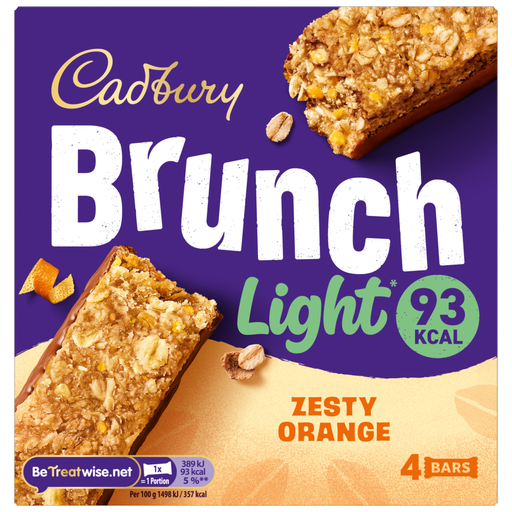
Consider this cereal bar as a smaller snack for a shorter walk. Compare the nutrition per bar with what else you plan to carry; ‘Light’ in the name does not establish that the product is reduced in fat.
 No image available
The 21.5g bar format is worth comparing if you want a small top-up rather than one large portion. Check energy, carbohydrate and sugars per bar when deciding how it fits your walk.
 No image available
This protein-flapjack format offers a different portion to consider when packing for a longer walk. Compare the exact flavour’s energy, carbohydrate, protein and fat per 50g bar, and check its ingredients if you have dietary restrictions.
 No image available
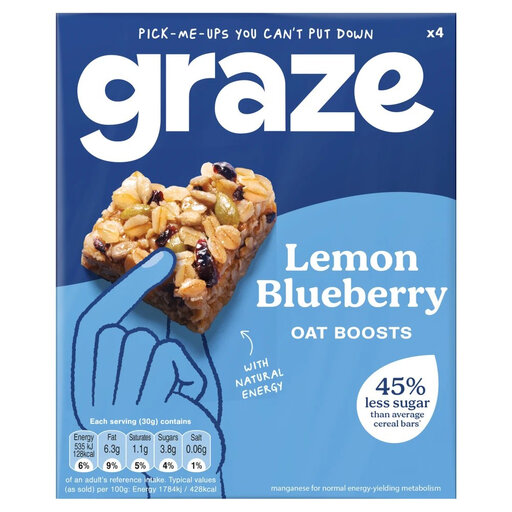
If you prefer an oat-flapjack format, compare its 30g portion with the smaller bars and larger flapjacks here. Read fat, sugars and energy on this flavour’s pack rather than relying on claims about the wider range.
 No image available
Consider this nut-and-protein bar when comparing food to carry on a longer walk, not as a presumed reduced-fat choice. Check fat and carbohydrate per 40g bar and read the exact pack’s nut and other allergen information.
No. Public Health Wales explains that ‘reduced fat’ means at least 30% less fat than the original version. It is a comparison, so read the total fat per 100g and per bar before deciding whether the product meets your reason for choosing it.
Compare carbohydrate and energy in the portion you will carry, alongside the rest of your food. University College London Hospitals NHS Foundation Trust describes a mixture of carbohydrate and protein as an option for longer-duration activity; a reduced-fat claim alone cannot tell you whether a bar fills that role.
No. Per-100g figures help you compare composition, but serving weights and per-bar figures show what you would actually carry and eat. Check whether the stated serving is a single bar or a multi-bar portion.
No. Look for a gluten-free claim on the exact product and read its allergen information. The Food Standards Agency specifies a limit of no more than 20mg/kg of gluten in food sold as gluten-free; an oat ingredient or a claim elsewhere in the brand range is not a substitute for checking the chosen pack.
Yes. Check the current flavour’s ingredients, allergen statements, serving size and nutrition panel when you buy it, particularly if a dietary restriction or a particular portion size affects your choice.