Students choosing a portable revision snack
A bar is easy to take to a study session, but its pack size and nutrition still matter. Compare total fat, saturates and sugars as well as any fibre or protein information relevant to your choice.


For an exam revision snack, compare a cereal bar’s nutrition per 100 g and the amount in the pack you would eat; words such as “Light”, “protein” and “high fibre” do not establish its total fat content. If fat is your main consideration, check it alongside saturates and sugars, then check the exact product’s ingredients for any dietary restrictions. The NHS notes that nutrition labels give values per 100 g and may also give them per portion.
A bar is easy to take to a study session, but its pack size and nutrition still matter. Compare total fat, saturates and sugars as well as any fibre or protein information relevant to your choice.
Check the total fat figure per 100 g on the exact bar. A product name such as “Light”, or a claim about another nutrient, does not tell you that figure.
Compare the declared fibre or protein with the rest of the nutrition panel. Check the exact flavour’s ingredients and allergen statement rather than relying on another bar in the same range.
Start with comparable per-100 g figures, then look at the bar or pack portion you expect to eat during revision.
| Priority | What to check | Your needs |
|---|---|---|
| Total fat | Read total fat per 100 g and per bar or pack. The legislation.gov.uk Annex describes no more than 3 g fat per 100 g for a “low fat” claim on solid food; a name such as “Light” is not the nutrition figure. | If I am looking specifically for low fat, I need to check the bar’s total fat rather than choose it by its name. |
| Saturates and sugars | Compare saturates and sugars per 100 g across bars, then check the portion figures where shown. Read the energy figure for the pack portion too. | Total fat is not my only consideration; I want to see how the bar I would eat compares on saturates and sugars. |
| Fibre and protein | Check the declared fibre and protein values for the exact variant. Compare its total fat and sugars on the same panel rather than treating one nutrient claim as a summary of the bar. | I may prioritise fibre or protein for a portable snack, without assuming that either makes the bar low fat. |
| Ingredients and allergens | Read the exact pack’s ingredients, allergen declaration and any may-contain statement. Check dietary claims on that flavour rather than another product in the range. | If I avoid particular ingredients, the declaration on the bar I am buying matters more than the brand name. |
Those descriptions address different attributes. Tesco Groceries lists 22 g fat and 17 g fibre per 100 g for its Graze Cocoa Vanilla & Protein Flapjack, so its fibre figure does not answer the total-fat question.
If low fat is your priority, check total fat per 100 g first, then compare the other values that matter to you.
A per-bar figure describes that bar’s portion, not an equal weight of two different products.
Use per-100 g values for the initial comparison, then read each pack’s portion figures to see what the bar you would eat contains.
Other values can differ. Kellogg’s UK lists 33 g sugars per 100 g for Nutri-Grain Apple, while Nature Valley UK lists 26.8 g per 100 g for Crunchy Oats & Honey; these figures describe those specific bars, not their entire ranges.
Compare sugars and saturates alongside fat, using the same per-100 g basis before checking the pack portion.
Ingredients and may-contain statements relate to the particular recipe. Nature Valley UK, for example, lists possible peanut, tree-nut and soya presence for Crunchy Oats & Honey.
For an allergy or other strict dietary requirement, read the current declaration on the exact flavour and pack.
These ranges illustrate why nutrition and ingredients need checking by product and flavour, rather than by brand alone.
Its range includes Crunchy bars and protein-positioned variants.
Weetabix Cereals identifies Alpen Cereal Bars within its brand family.
Nutri-Grain and Special K include cereal-bar styles with product-specific nutrition information.
Its range includes oat-based snack bars and flapjacks.
Its UK range includes fruit-and-nut bars and products described as vegan, gluten-free or high in fibre.
Its range includes plant-based protein bars and Protein Flapjacks.
These bars offer protein-positioned and conventional cereal-bar options for revision snacks. Check each pack’s nutrition before choosing one specifically for low fat: a protein, fibre or “Light” description does not establish that it is low fat.
 No image available
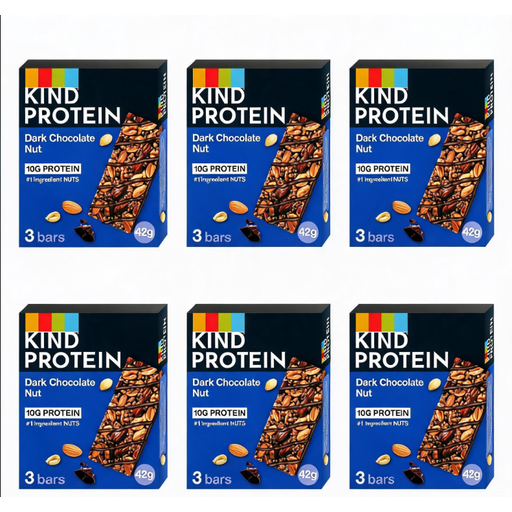
A protein-positioned nut bar for a portable snack, rather than a low-fat choice. The product information lists peanuts, almonds and soya, with milk and other nuts as possible allergens; check the current pack if these affect your choice.
 No image available
This protein-positioned four-bar pack is an option to compare for a portable snack, not a low-fat selection. Its listed allergens include almonds, milk, peanuts and soya; read the exact pack’s declaration before buying.
 No image available
An eight-bar, protein-positioned option for study-session snacks, but not a low-fat choice. The product information lists milk, peanuts and soya and says tree nuts may be present; check the current pack.
 No image available
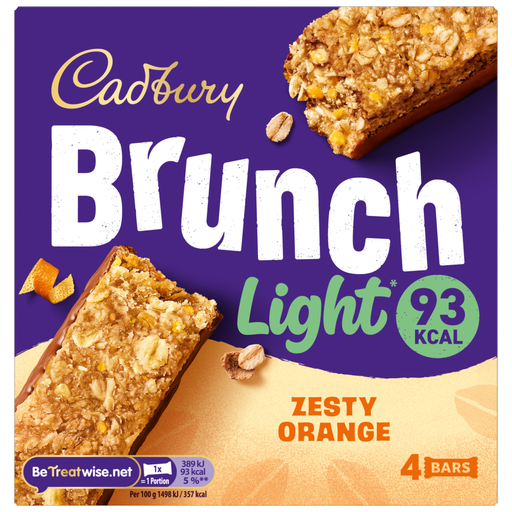
“Light” is part of this bar’s name, not a substitute for checking its total fat; compare the current nutrition panel for the portion you would eat. Listed allergens include oats, wheat, barley, milk and soya, and nuts may be present.
 No image available
A six-bar pack for a portable snack. Compare the exact pack’s fat, saturates and sugars rather than treating the Special K name as a low-fat indication; its product information lists barley, milk, oats, soya and wheat among the allergens.
The legislation.gov.uk Annex describes a “low fat” claim for solid food as no more than 3 g fat per 100 g. Check the total fat on the current bar’s nutrition panel; “Light”, “protein” and “high fibre” do not state that value.
Use both: per-100 g figures let you compare different-sized products on the same weight basis, while per-bar figures describe the portion you would eat. The NHS notes that labels provide per-100 g information and sometimes per-portion information.
Protein content is useful to compare if it matters to your choice, but it does not establish that a bar is low fat or low in sugars. Check protein alongside total fat, saturates, sugars and the pack portion.
No. An ingredient does not establish the nutrition of the whole recipe: Nature Valley UK lists 18.1 g fat per 100 g for its Crunchy Oats & Honey bars. Read the total-fat figure for the particular bar you are considering.
Read the ingredients, allergen declaration and any may-contain statement on the exact flavour and pack. Bars in the supplied product information list ingredients or warnings involving cereals containing gluten, milk, soya, peanuts or tree nuts, but declarations differ by recipe.