How to choose a picnic cereal bar
Start with what you mean by lower fat, then compare the full label and the practical needs of everyone sharing the picnic.
| Priority |
What to check |
Your needs |
| Fat claim |
Compare fat per 100g. Under the UK nutrition-claim conditions published on legislation.gov.uk, low fat means no more than 3g per 100g for a solid food; a reduced-nutrient claim requires at least 30% less than a similar product. |
I want to know whether I need a bar that meets the low-fat limit or simply one with a substantiated reduction against a comparable bar. |
| Other nutrition values |
Compare sugars and saturates on the same per-100g basis, then look at the per-bar figures for the portion you plan to pack. Check any front-of-pack traffic-light labelling alongside the full nutrition panel. |
A lower fat figure alone does not settle my choice; I also want to see the sugars and saturates in each bar. |
| Allergens |
Read the declaration on the exact flavour and current pack, including any precautionary allergen statement. Do not assume another bar from the same brand has the same ingredients. |
Before sharing bars, I need to check whether each one fits the people coming to the picnic. |
| Picnic storage |
Follow the bar’s storage instructions and keep its wrapper intact until serving. Pack foods normally kept in the fridge in a cool box or cool bag with ice or frozen gel packs, as the Food Standards Agency advises. |
I can plan how to carry the bars without assuming that the rest of the picnic can travel without cooling. |
Brand examples and their limitations
These examples show why the claim and nutrition panel of a particular bar matter more than the brand name.
Alpen
Alpen Delight Chocolate Brownie provides an example of a stated fat comparison, rather than a low-fat bar.
- Wilko’s listing states 7.3g fat per 100g against 17.5g per 100g for its typical-cereal-bar comparator; it dates that comparison to October 2022.
- That 7.3g figure exceeds the UK low-fat limit for solid foods. Alpen’s FAQ also identifies some older Alpen Light flavours as no longer made, so check the exact current product.
Nature Valley
Crunchy Oats & Honey is a wholegrain-oat example for shoppers comparing portable bars.
- Nature Valley UK lists 60% wholegrain rolled oats in this product.
- Its published panel lists 18.1g fat per 100g. The brand also says the product may contain soy, wheat, peanuts and tree nuts; check the current pack before sharing.
Kellogg's
Nutri-Grain Blueberry offers a soft, fruit-filled format to compare with crunchy oat bars.
- ASDA Groceries lists 8.3g fat per 100g for Nutri-Grain Blueberry.
- The same listing gives 33g sugars per 100g and identifies wheat, soya, oats and milk in its ingredient or allergen information. These figures do not establish a reduced-fat claim.
Graze
Graze Oat Boost flapjacks are an oat-based format for comparison with other cereal bars.
- Graze describes changes to the sugar and saturated fat in its Oat Boost range.
- Those brand statements do not establish that a particular current bar is low in total fat or carries a reduced-total-fat claim. Check the exact product’s panel.
Joybuy cereal bars to compare
These cereal-bar packs offer flavours and formats to consider for a summer picnic. Their names alone do not establish a reduced-fat claim: compare the current nutrition and allergen information before deciding whether one meets your needs.
 No image available
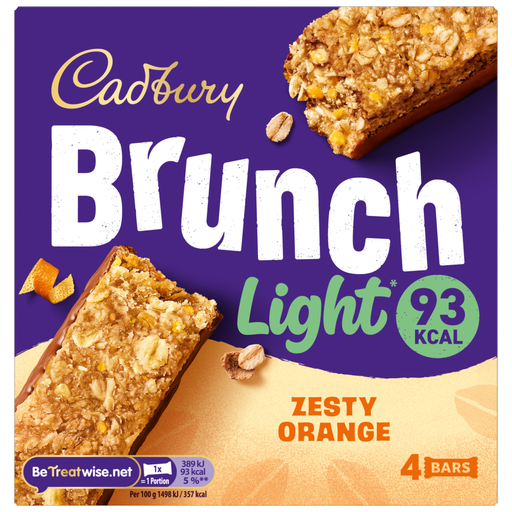
Cadbury Brunch Light Orange Cereal Bar, 4pk 104g
For an orange-flavoured picnic bar, compare the current pack’s fat and sugars per 100g and check its allergens. Light in the product name does not, by itself, establish a low-fat claim.
View on Joybuy
 No image available
Special K Red Berry Cereal Bar, 6 x 21.5g
If red berry flavour appeals for the picnic, use the current pack to compare fat, saturates and sugars with other bars on a per-100g basis. Check the allergen declaration before sharing.
View on Joybuy
 No image available
Special K Dark Chocolate Snack, 6 x 21.5g
For a dark-chocolate option, check the current nutrition panel rather than assuming this flavour has the same values as another Special K bar. Compare fat, saturates and sugars, then read the allergens.
View on Joybuy
 No image available
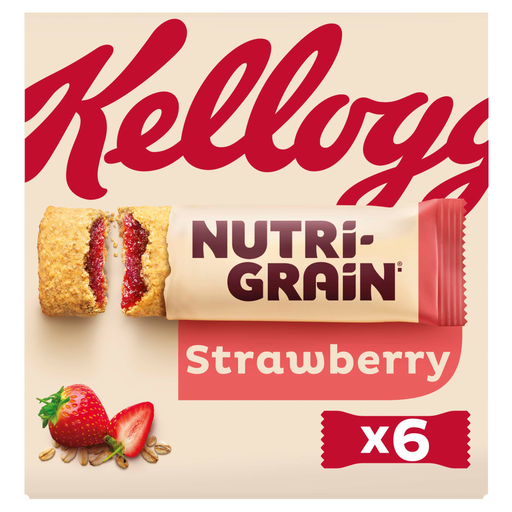
Kellogg's Strawberry Nutri Grain Bars, 6 Pack 222g
If you prefer a strawberry Nutri Grain bar, check this flavour’s own nutrition panel and allergen declaration. Figures for Nutri-Grain Blueberry should not be treated as figures for this pack.
View on Joybuy
Picnic cereal bar questions
Is a reduced-fat cereal bar also low fat?
Not necessarily. UK nutrition-claim conditions published on legislation.gov.uk limit a low-fat claim for solid food to no more than 3g fat per 100g, while a reduced-nutrient claim requires at least 30% less than a similar product. Read the claim and the current pack’s fat value per 100g.
How do I compare bars of different sizes?
Compare fat, saturates and sugars per 100g first, then use the per-bar values to see what is in the portion you plan to take. For example, Nature Valley UK lists 18.1g fat per 100g for Crunchy Oats & Honey, while Wilko’s Alpen Delight Chocolate Brownie listing states 7.3g per 100g; neither figure describes every bar made by those brands.
Can cereal bars travel without a cool box?
Follow the storage instructions on the specific bar; one labelled for cool, dry storage can be packed sealed accordingly. That does not change how you handle other foods: the Food Standards Agency’s picnic guidance for England, Northern Ireland and Wales says foods normally kept in the fridge should be kept cool, using a cool box or cool bag with ice or frozen gel packs.
Which allergens should I check before sharing?
Read the exact current pack, including its precautionary allergen statement. Nature Valley UK says Crunchy Oats & Honey may contain soy, wheat, peanuts and tree nuts, while ASDA Groceries lists wheat, soya, oats and milk for Kellogg's Nutri-Grain Blueberry. Do not transfer either list to a different flavour or product.
Does wholegrain mean a bar is reduced fat?
No. Wholegrain describes an ingredient, not a reduction in total fat against a comparable bar. Nature Valley UK lists 60% wholegrain rolled oats and 18.1g fat per 100g for Crunchy Oats & Honey; check the fat figure and any specific claim on the bar you intend to buy.


